One Pot Pasta Primavera Recipe

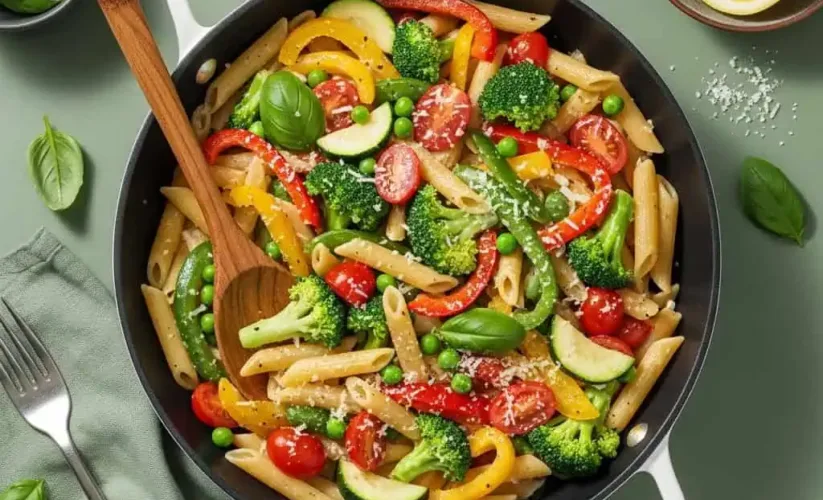
Easy One Pot Pasta Primavera
I’ll never forget the first time I ordered pasta primavera at an Italian restaurant—I was expecting something heavy and cream-laden, but instead got this beautiful, light dish bursting with colorful vegetables and just a hint of cream. It was a revelation! I immediately went home determined to recreate that fresh, spring-like feeling in my own kitchen.
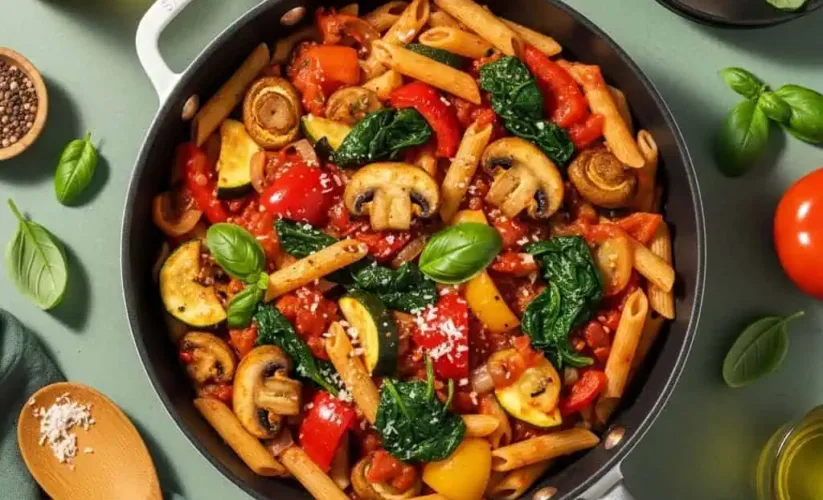
This one pot pasta primavera has become my go-to when I’m craving something lighter but still satisfying. It’s packed with whatever fresh vegetables I have on hand—crisp bell peppers, tender zucchini, sweet cherry tomatoes, and vibrant broccoli all coming together with pasta in a delicate garlic cream sauce. It tastes like spring in a bowl, even in the middle of winter!
The best part? Everything cooks in one pot in about 25 minutes, and you can easily customize it based on what vegetables you love or what’s in season. My kids actually get excited about eating their veggies when they’re coated in this light, garlicky sauce. This recipe joins our collection of easy one pot meals that prove healthy eating doesn’t have to be complicated or boring.
Why You’ll Love This Pasta Primavera
Vegetable-Packed: Loaded with colorful fresh vegetables that actually taste amazing—even picky eaters will enjoy them!
Light but Satisfying: The sauce is creamy without being heavy, making this perfect for when you want comfort food that doesn’t weigh you down.
Quick Weeknight Dinner: Ready in just 25 minutes from start to finish, making it faster than ordering takeout.
Endlessly Customizable: Use whatever vegetables you have or love—there’s no wrong way to make primavera as long as it’s fresh and colorful.
One Pot Wonder: Pasta and vegetables cook together in the same pot, absorbing all that garlicky goodness.
Great for Meal Prep: Tastes delicious reheated and the vegetables hold up beautifully for 3-4 days.
Ingredients You’ll Need
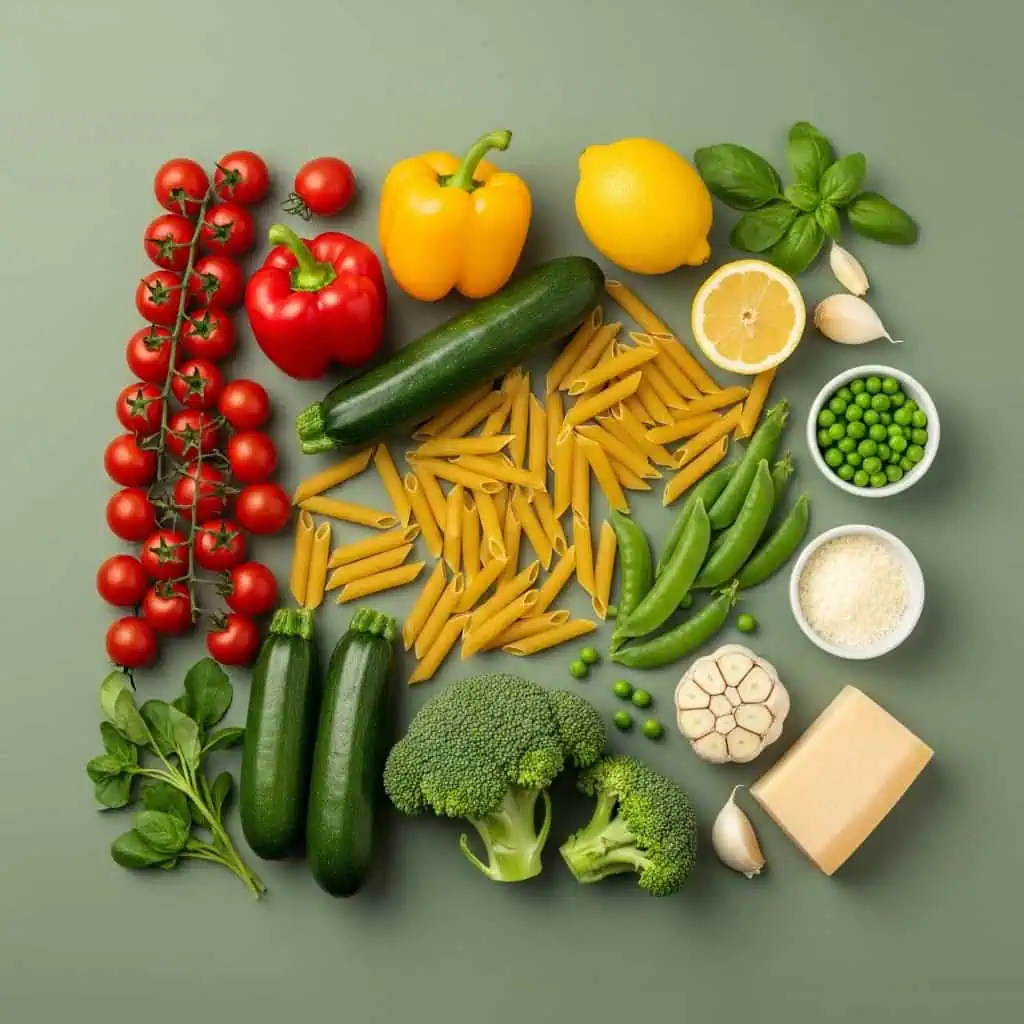
For the Pasta:
- 12 oz penne pasta (or bow ties, rotini)
- 3 cups vegetable broth
- 1 cup water
- 2 tablespoons olive oil
- Salt to taste
For the Vegetables:
- 1 medium zucchini, sliced into half-moons
- 1 yellow squash, sliced into half-moons
- 1 red bell pepper, diced
- 1 yellow bell pepper, diced
- 2 cups broccoli florets, small pieces
- 1 cup cherry tomatoes, halved
- 1 cup frozen peas
- 4 cloves garlic, minced
For the Light Cream Sauce:
- 1/2 cup heavy cream
- 1/2 cup grated Parmesan cheese
- 2 tablespoons butter
- 1 teaspoon Italian seasoning
- 1/2 teaspoon red pepper flakes (optional)
- Zest of 1 lemon
- 2 tablespoons fresh lemon juice
- Black pepper to taste
For Garnish:
- Fresh basil leaves, torn
- Extra Parmesan cheese
- Fresh parsley, chopped
- Additional lemon wedges
How to Make One Pot Pasta Primavera
Step 1: Prep Your Vegetables Before you start cooking, get all your vegetables prepped and ready to go. Cut the zucchini and yellow squash into half-moon slices about 1/4 inch thick, dice the bell peppers into bite-sized pieces, cut the broccoli into small florets, and halve the cherry tomatoes. Having everything ready makes the cooking process super smooth since it all comes together quickly. This is one of those recipes where mise en place (everything in its place) really helps!
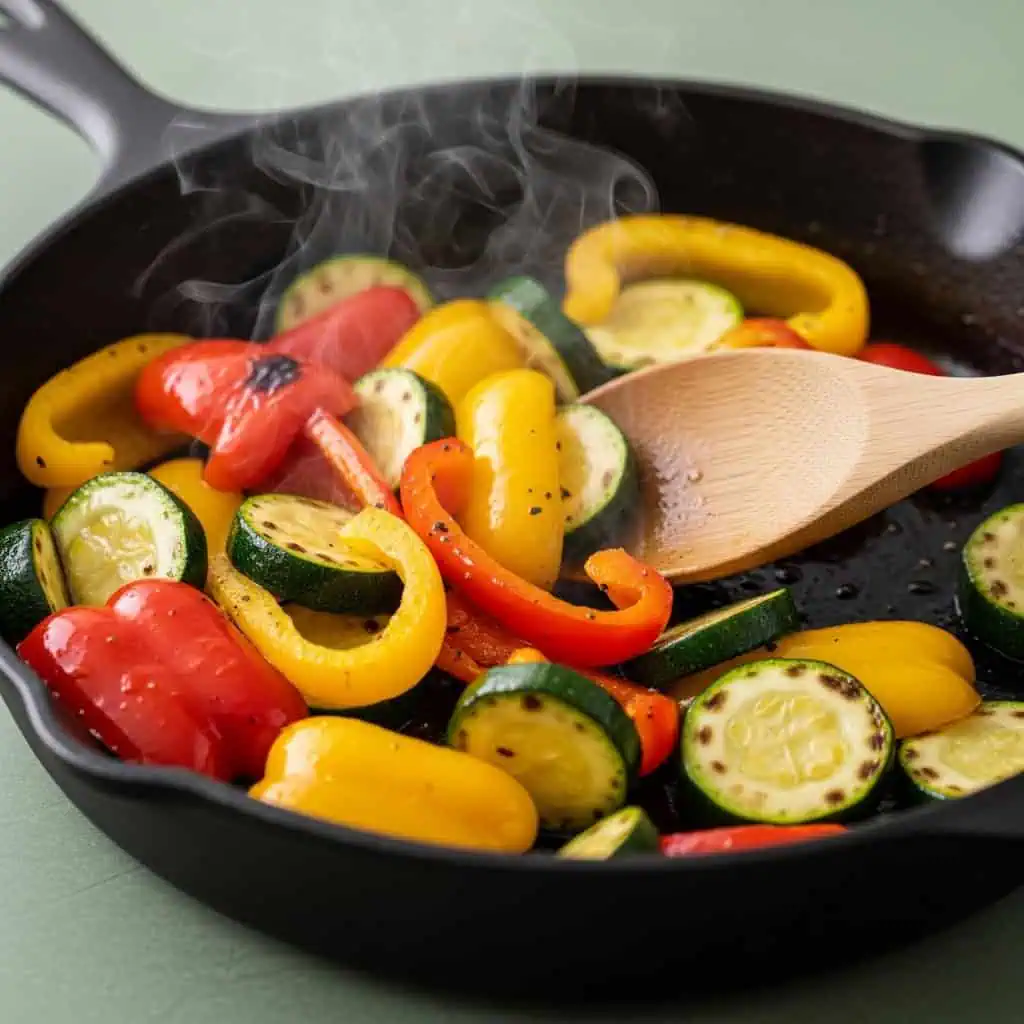
Step 2: Start with the Heartier Vegetables Heat olive oil in a large, deep skillet or Dutch oven over medium-high heat. Add the bell peppers, zucchini, and yellow squash first since they take a bit longer to cook. Season with a pinch of salt and sauté for 4-5 minutes, stirring occasionally, until the vegetables start to soften and get some color on the edges. Don’t overcook them—you want them to retain some bite. Add the minced garlic and sauté for another 30-60 seconds until fragrant.
Step 3: Add Broccoli and Liquid Add the broccoli florets to the pan and stir to combine with the other vegetables. Pour in the vegetable broth and water, then add the Italian seasoning and red pepper flakes if using. Give everything a good stir and bring to a boil over high heat. The liquid should be bubbling vigorously before you add the pasta.
Step 4: Cook the Pasta Once the liquid is boiling, add the penne pasta and stir well to make sure all the noodles are submerged. Reduce heat to medium and cook for 10-12 minutes, stirring every 2-3 minutes to prevent sticking. The pasta should absorb most of the liquid as it cooks, and you want it to be al dente—tender but still with a slight bite. If it looks like the liquid is evaporating too quickly before the pasta is done, add a bit more water.
Step 5: Add Quick-Cooking Vegetables When the pasta is almost done (about 2 minutes left), add the cherry tomatoes and frozen peas. These cook quickly and you don’t want them to get mushy. Stir them in and let everything cook together for those final 2 minutes. The tomatoes will soften slightly and release some of their juices, adding extra flavor to the sauce.
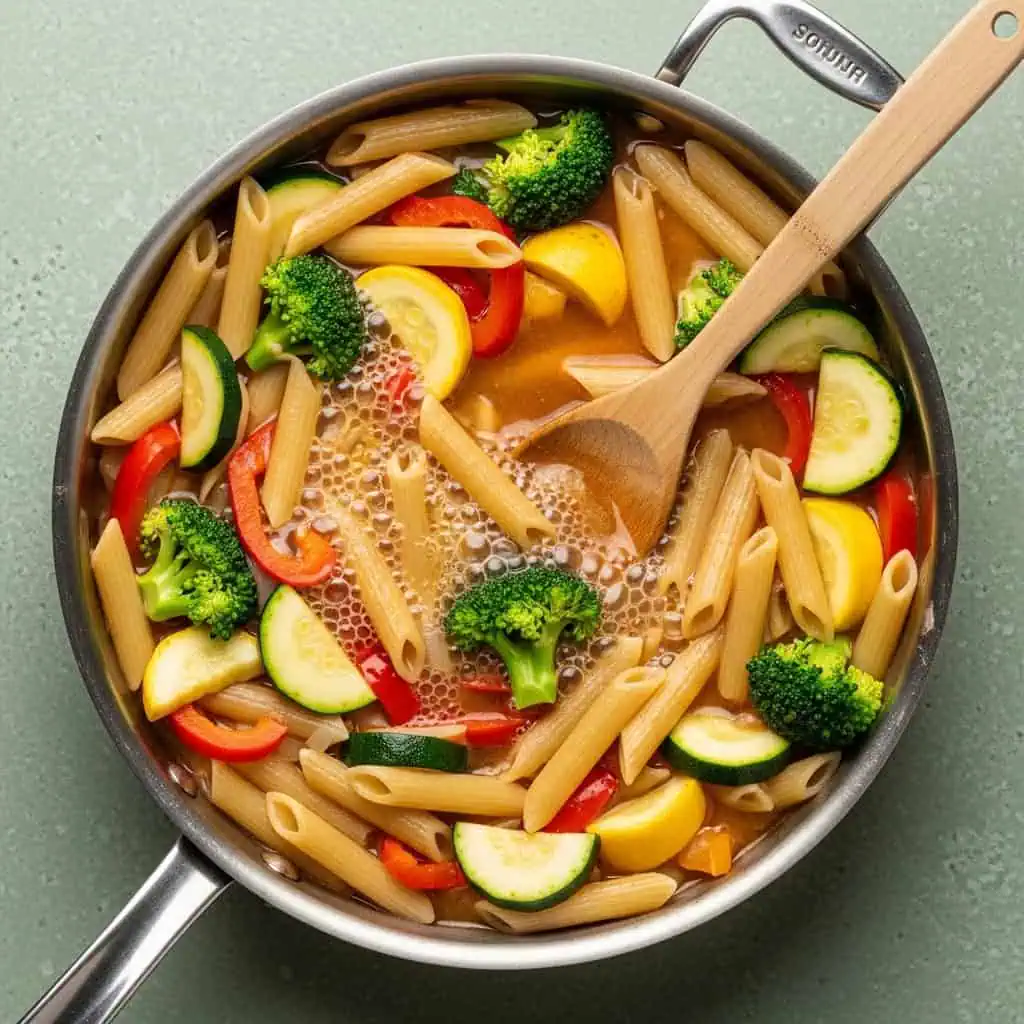
Step 6: Create the Creamy Sauce Reduce the heat to low. Add the butter and let it melt into the pasta, then pour in the heavy cream and stir gently. Sprinkle the Parmesan cheese over the top and stir until it melts and creates a light, creamy sauce that coats all the pasta and vegetables. Add the lemon zest and lemon juice—this brightens everything up and adds that fresh, spring-like quality. Taste and adjust seasoning with salt and black pepper.
Tips for Perfect Pasta Primavera
Cut Vegetables Uniformly: Make sure all your vegetables are cut to similar sizes so they cook evenly. Aim for bite-sized pieces.
Don’t Overcook the Vegetables: The vegetables should be tender-crisp, not mushy. They’ll continue to soften slightly in the residual heat after you turn off the stove.
Use Fresh Vegetables When Possible: While frozen peas work great, fresh seasonal vegetables really make this dish shine. Hit up the farmers market!
Add Vegetables in Stages: Heartier vegetables like peppers and zucchini go in first, delicate ones like tomatoes and peas go in at the end.
Don’t Skip the Lemon: The lemon zest and juice are what make this taste so fresh and bright. It’s essential!
Adjust Liquid as Needed: If your pasta is absorbing liquid too quickly, add more water or broth. If there’s too much liquid at the end, let it simmer uncovered for a few extra minutes.
Common Mistakes to Avoid
Mistake #1: Overcrowding with Too Many Vegetables While this is a veggie-heavy dish, adding too many vegetables can make it watery and prevent proper cooking. Stick to about 4-5 cups total vegetables.
Mistake #2: Adding Cream Too Early If you add cream while the pan is still boiling, it can break and become grainy. Always reduce heat to low first.
Mistake #3: Overcooking the Vegetables Mushy vegetables aren’t appetizing. Cook them until tender-crisp—they should still have some texture and snap.
Mistake #4: Forgetting to Season as You Go Don’t wait until the end to season. Salt the vegetables while sautéing to build layers of flavor.
Mistake #5: Using Too Much Cream This should be a light cream sauce, not heavy like Alfredo. Stick to 1/2 cup—any more and you lose that fresh, spring-like quality.
How to Store and Reheat
Storage: Store leftover pasta primavera in an airtight container in the refrigerator for up to 4 days. The vegetables will soften slightly as they sit, but the dish still tastes great.
Reheating: Reheat gently on the stovetop over medium-low heat, adding a splash of vegetable broth, water, or cream to loosen the sauce. Stir frequently to heat evenly. You can also microwave individual portions in 1-2 minute intervals, stirring between each and adding a bit of liquid to prevent drying out.
Freezing: I don’t recommend freezing this dish. The vegetables, especially zucchini and tomatoes, release a lot of water when thawed and become mushy. The cream sauce can also separate. This is best enjoyed fresh or within a few days of making it.
Make-Ahead Tip: You can prep all your vegetables ahead of time and store them in the refrigerator. When ready to cook, just follow the recipe from Step 2 for an even quicker dinner.
Variations and Add-Ins
Protein-Packed Primavera: Add grilled chicken, shrimp, or white beans for extra protein. Cook separately and stir in at the end.
Vegan Primavera: Skip the cream and Parmesan. Instead, add 1/2 cup cashew cream or coconut cream and nutritional yeast for a cheesy flavor.
Mushroom Primavera: Add 8 oz sliced mushrooms (button, cremini, or shiitake) with the bell peppers for earthy depth.
Asparagus Spring Version: Replace some vegetables with fresh asparagus cut into 1-inch pieces—add them with the broccoli.
Sun-Dried Tomato Addition: Stir in 1/2 cup chopped sun-dried tomatoes with the cherry tomatoes for concentrated tomato flavor.
Extra Garlicky: Double the garlic and add 1/4 teaspoon garlic powder for serious garlic lovers.
Spicy Kick: Increase red pepper flakes to 1 teaspoon or add fresh diced jalapeño with the bell peppers.
Cheese Lover’s Version: Add 1/2 cup mozzarella or fontina along with the Parmesan for extra creaminess.
What to Serve With Pasta Primavera
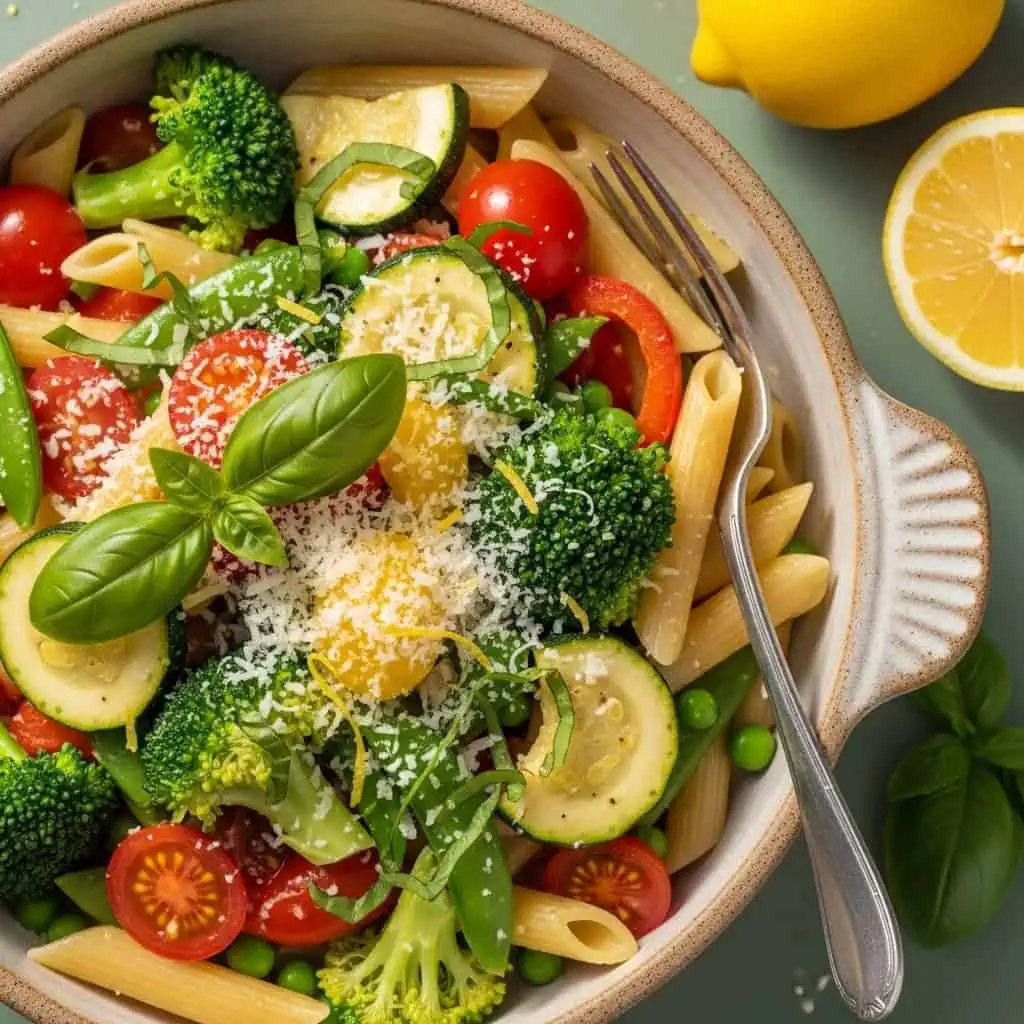
This pasta primavera is pretty much a complete meal with all those vegetables, but here are some perfect pairings:
- Garlic bread or crusty Italian bread
- Simple Caesar salad
- Caprese salad with fresh mozzarella
- Grilled chicken breast on the side
- Garlic knots
- Simple arugula salad with lemon vinaigrette
I love serving this alongside our One Pot Lemon Chicken when I’m feeding a crowd—the bright citrus flavors complement each other beautifully. It also pairs wonderfully with a crisp white wine like Pinot Grigio or Sauvignon Blanc.
Frequently Asked Questions
Can I use different pasta shapes? Absolutely! Penne, bow ties (farfalle), rotini, rigatoni, or even spaghetti all work great. Just adjust cooking time based on package directions.
What vegetables work best for primavera? Classic choices include bell peppers, zucchini, broccoli, asparagus, peas, and tomatoes. But really, use what you love or what’s in season! Carrots, green beans, snap peas, and cauliflower all work too.
Can I make this with whole wheat or gluten-free pasta? Yes! Just follow the cooking times on your pasta package and add a bit more liquid if needed since alternative pastas sometimes absorb more.
Is this a vegetarian recipe? Yes! Just make sure to use vegetable broth instead of chicken broth. It’s naturally vegetarian.
Can I make this dairy-free? Replace the heavy cream with coconut cream or cashew cream, and use nutritional yeast instead of Parmesan cheese.
My sauce is too thin. How do I fix it? Let it simmer uncovered for a few extra minutes to reduce and thicken. You can also add a bit more Parmesan cheese.
Why is it called primavera? “Primavera” means “spring” in Italian, referring to the fresh spring vegetables traditionally used in this dish.
Other Favorite Recipes
If you love this one pot pasta primavera, you’ll also enjoy these fresh pasta dishes:
- Creamy One Pot Chicken Pasta
- One Pot Chicken Alfredo Pasta
- One Pot Orzo Recipe
- One Pot Spaghetti Recipe
- One Pot Mac and Cheese
- One Pot Taco Pasta
One Pot Pasta Primavera Recipe
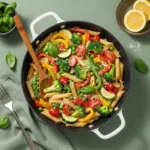
Fresh pasta primavera loaded with colorful vegetables in light garlic cream sauce—all cooked in one pot for easy, healthy dinner in 25 minutes.
- Prep Time: 15 minutes
- Cook Time: 20 minutes
- Total Time: 35 minutes
- Yield: 6 servings 1x
- Category: Dinner
- Method: Stovetop
- Cuisine: Italian-American
- Diet: Vegetarian
Ingredients
- 12 oz penne pasta
- 3 cups vegetable broth
- 1 cup water
- 2 tablespoons olive oil
- Salt to taste
- 1 medium zucchini, sliced into half-moons
- 1 yellow squash, sliced into half-moons
- 1 red bell pepper, diced
- 1 yellow bell pepper, diced
- 2 cups broccoli florets, small pieces
- 1 cup cherry tomatoes, halved
- 1 cup frozen peas
- 4 cloves garlic, minced
- 1/2 cup heavy cream
- 1/2 cup grated Parmesan cheese
- 2 tablespoons butter
- 1 teaspoon Italian seasoning
- 1/2 teaspoon red pepper flakes (optional)
- Zest of 1 lemon
- 2 tablespoons fresh lemon juice
- Black pepper to taste
- Fresh basil, torn
- Extra Parmesan for garnish
- Fresh parsley, chopped
- Lemon wedges
Instructions
- Prep all vegetables: slice zucchini and squash, dice peppers, cut broccoli into small florets, halve cherry tomatoes.
- Heat olive oil in large skillet over medium-high heat.
- Add bell peppers, zucchini, and yellow squash. Season with salt and sauté 4-5 minutes until softened.
- Add garlic and sauté 30-60 seconds until fragrant.
- Add broccoli florets and stir to combine.
- Pour in vegetable broth and water. Add Italian seasoning and red pepper flakes if using.
- Bring to boil over high heat.
- Add penne pasta and stir well.
- Reduce heat to medium and cook 10-12 minutes, stirring every 2-3 minutes, until pasta is al dente.
- When pasta has 2 minutes left, add cherry tomatoes and frozen peas.
- Cook final 2 minutes.
- Reduce heat to low. Add butter and let melt.
- Pour in heavy cream and stir gently.
- Sprinkle Parmesan over top and stir until melted and creamy.
- Add lemon zest and lemon juice. Stir to combine.
- Taste and adjust seasoning with salt and black pepper.
- Garnish with fresh basil, parsley, and extra Parmesan. Serve with lemon wedges.
Notes
- Cut vegetables uniformly for even cooking
- Add vegetables in stages – hearty first, delicate last
- Don’t overcook vegetables – keep them tender-crisp
- Lemon juice and zest are essential for brightness
- Add liquid if pasta absorbs too quickly
- Reduce heat before adding cream to prevent breaking
- Best enjoyed fresh – doesn’t freeze well
- Customize vegetables based on what’s in season
Nutrition
- Serving Size: 1 serving (about 1.5 cups)
- Calories: 385 kcal
- Sugar: 6g
- Sodium: 565 mg
- Fat: 14g
- Saturated Fat: 7g
- Unsaturated Fat: 6g
- Trans Fat: 0g
- Carbohydrates: 52g
- Fiber: 5g
- Protein: 14g
- Cholesterol: 35mg