How To Cook Pasta

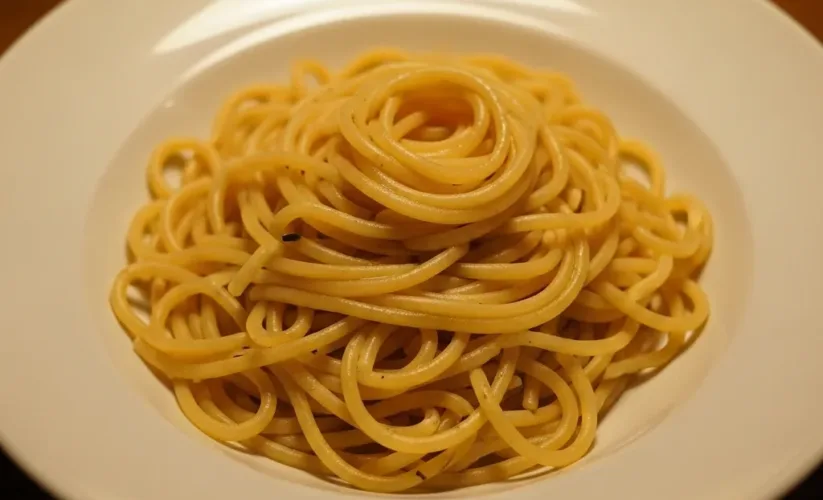
Life as a mom of three often feels like a beautiful, chaotic dance. Between school runs, homework, and endless laundry, finding moments of calm and connection around the dinner table is my ultimate goal. That’s why I absolutely adore a simple, nourishing pasta dish.
It’s truly a blank canvas for love, and mastering how to cook pasta well forms the foundation of so many incredible meals. Today, I’m sharing my foolproof guide to preparing perfect pasta every time – a recipe that’s not only incredibly simple but also completely halal-friendly, ensuring everyone can enjoy a delicious, comforting meal. Learning how to cook pasta is a fundamental kitchen skill, and I promise you, with these tips, you’ll be making restaurant-quality pasta in no time.
This guide is crafted with your family in mind, focusing on easily accessible, halal-friendly ingredients and a process so straightforward, even the busiest parent can master it. So, let’s get into the heart of how to cook pasta and bring some joy to your kitchen tonight, with a perfectly delicious and halal-friendly dish!
Why You’ll Love This Recipe
You’ll fall in love with this recipe because it makes learning how to cook pasta incredibly easy and approachable. This method guarantees perfectly al dente pasta every time, providing a wonderful base for countless family meals. It’s quick, economical, and a true crowd-pleaser.
Moreover, focusing on how to cook pasta correctly elevates even the simplest sauce. This guide helps you prepare pasta that’s ready in minutes, making weeknight dinners a breeze. It’s a foundational recipe that empowers you to create delicious, nourishing meals with confidence, ensuring you master how to cook pasta for any occasion.
Ingredients You’ll Need
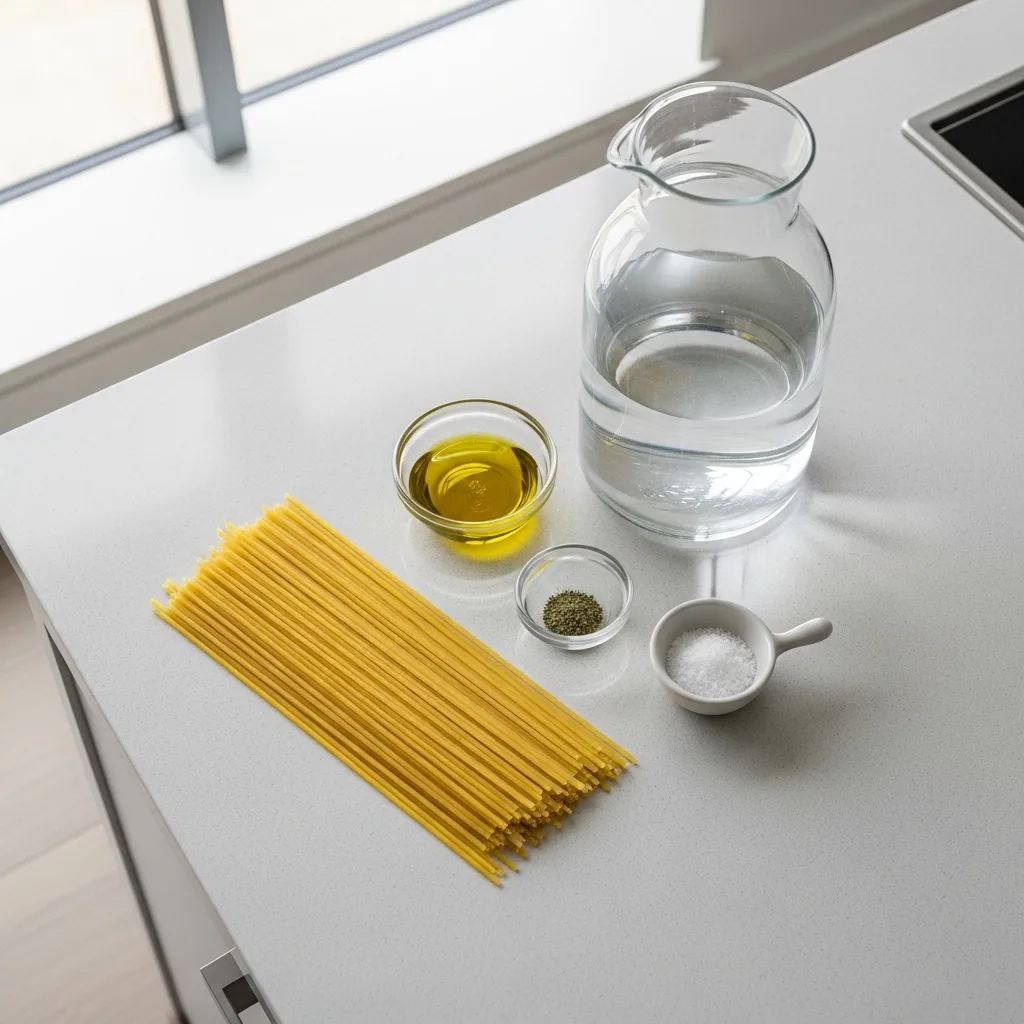
To master how to cook pasta, you only need a few essential items. Always remember to choose high-quality pasta for the best results. Here’s what you’ll gather:
| Ingredient | Quantity |
|---|---|
| Dry Pasta (spaghetti, penne, fettuccine, etc.) | 1 pound (450g) |
| Water | 4-6 quarts (4-6 liters) |
| Kosher Salt | 1-2 tablespoons |
| Olive Oil (optional, for tossing) | 1 teaspoon |
All ingredients halal certified.
Substitutions & Variations
Mastering how to cook pasta opens up a world of delicious possibilities! Here are some halal-friendly swaps and variations:
- Pasta Type: Experiment with different shapes – fusilli, farfalle, rigatoni – to change the texture and how sauce clings. The method for how to cook pasta remains largely the same.
- Sauce It Up: After you cook pasta, toss it with a simple marinara, a creamy Alfredo made with crème fraîche, or a vibrant pesto.
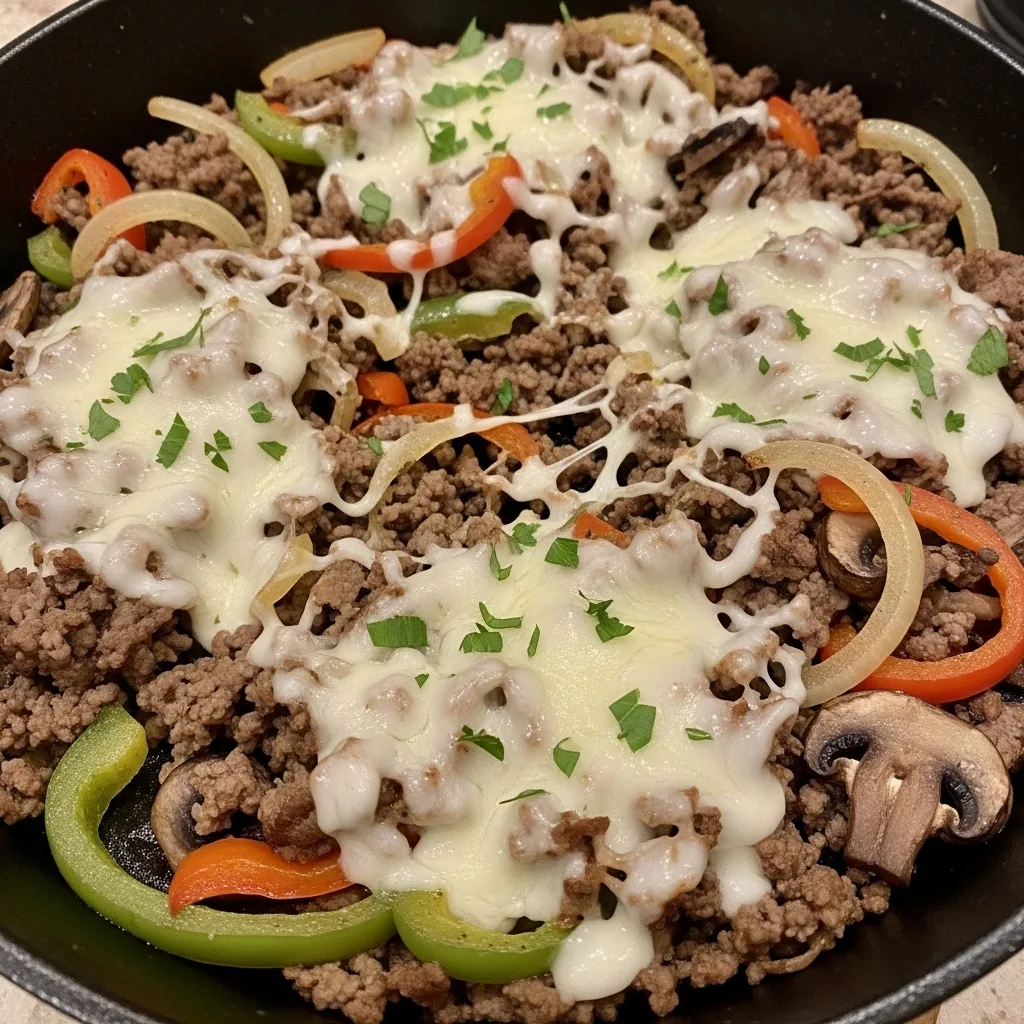
- Add Protein: Sauté some halal certified ground beef, shredded halal chicken breast, or lamb pieces, then toss with your cooked pasta. A quick shrimp scampi (using lemon juice instead of wine) also works wonderfully.
- Vegetable Boost: Add roasted broccoli, spinach, or cherry tomatoes to your finished pasta for extra nutrients and flavor.
- Flavor Infusion: Add a bay leaf or a few garlic cloves to the boiling water for subtle flavor while you cook pasta.
- Gluten-Free: Use gluten-free pasta and follow the package instructions, as cooking times often vary from traditional pasta when you cook pasta of this type.
After mastering a comforting pasta dish, you might be looking for something sweet to cap off your meal. Exploring different dessert options can be just as rewarding as experimenting with pasta sauces, offering delightful variations for any dietary preference, including delicious Keto Chow dessert recipes.
While mastering savory pasta variations is essential for a balanced dinner menu, you might also want to explore low-carb sweet treats. After finishing your main course, try these delicious Keto chow dessert recipes for a guilt-free finale.
Step-by-Step Instructions
Learning how to cook pasta perfectly is truly simple with these steps. Follow them closely for fantastic results.
- Choose Your Pot: Select a large pot. This is crucial for how to cook pasta properly. Use at least a 6-quart pot for 1 pound of pasta. Pasta needs space to move freely and cook evenly.
- Boil the Water: Fill your large pot with 4-6 quarts of water. Place it over high heat. Bring the water to a rolling boil. A strong boil is essential when you cook pasta.
- Salt the Water: Once the water is at a vigorous boil, add 1-2 tablespoons of kosher salt. The water should taste like the sea. This step is vital for seasoning the pasta from the inside out and key to knowing how to cook pasta with flavor.
- Add the Pasta: Carefully add the dry pasta to the boiling, salted water. If cooking long pasta like spaghetti, let it soften in the water for a minute before gently pushing it all the way in.
- Stir Immediately: Stir the pasta right away to prevent it from sticking together. Continue stirring occasionally throughout the cooking process. This prevents clumping when you cook pasta.
- Cook to Al Dente: Follow the package instructions for cooking time, but start checking for doneness a minute or two before the suggested time. You want “al dente” pasta – meaning it’s firm to the bite, not mushy. This is the secret to how to cook pasta perfectly.
- Reserve Pasta Water: Before draining, scoop out about 1 cup of the starchy pasta water. This water is liquid gold for thinning sauces and helping them adhere to the pasta. Many chefs rely on this for how to cook pasta professionally.
- Drain the Pasta: Pour the pasta into a colander in the sink to drain. Do not rinse the pasta; rinsing removes the starch that helps sauce stick. This is a common mistake when learning how to cook pasta.
- Toss and Serve: Immediately transfer the drained pasta to your prepared sauce or a warm serving bowl. If not using sauce immediately, you can toss it with a teaspoon of olive oil to prevent sticking. Serve it hot! Now you know how to cook pasta like a pro!
Note: This video is for demonstration purposes and may use a slightly different method.
Pro Tips for Success
Elevate your understanding of how to cook pasta with these expert tips:
- Generous Pot, Generous Water: Always use a very large pot and plenty of water. Crowding the pasta lowers the water temperature and leads to gummy, unevenly cooked pasta. This is fundamental to how to cook pasta correctly.
- Don’t Skimp on Salt: Pasta water needs to be well-salted. It’s the only chance to season the pasta itself. Think of it as seasoning the foundation of your meal. Knowing how to cook pasta with flavor starts here.
- Never Rinse: Rinsing pasta washes away the precious starch that helps your sauce cling to the noodles. Only rinse pasta if you’re making a cold pasta salad and want to stop the cooking process immediately. When you cook pasta for a hot dish, avoid rinsing.
- Al Dente is Key: This Italian phrase means “to the tooth.” It implies pasta that has a slight bite and firmness, not soft or mushy. It continues to cook slightly after draining, so err on the side of undercooking by about 30 seconds. This is the hallmark of how to cook pasta perfectly.
- Sauce First: Have your sauce ready before the pasta finishes cooking. Once pasta is drained, it’s best served immediately, tossed directly into the sauce. This ensures the best flavor and texture when you cook pasta and combine it.
- Save Pasta Water: Always reserve a cup of starchy pasta water. It’s excellent for thinning out sauces to the perfect consistency and helping the sauce emulsify and stick to the pasta. This simple trick is part of mastering how to cook pasta.

Just as proper technique elevates your pasta, applying the right methods to other dishes can transform your cooking. For another simple and flavorful meal, consider mastering how to cook kofta kebabs in an air fryer for a delicious protein.
Perfectly salted water is the first step toward a great meal, but a complete dinner often requires a protein-rich side dish. For a fast and flavorful pairing with your noodles, learn how to cook kofta kebabs in air fryer units.
Storage & Reheating Tips
Properly storing and reheating pasta helps maintain its quality after you cook pasta:
- Storage: If you’ve tossed the pasta with sauce, store it in an airtight container in the refrigerator for up to 3-4 days. If you’ve only cooked and drained the pasta, toss it with a little olive oil to prevent sticking, then store it in an airtight container for up to 3 days. This ensures your efforts on how to cook pasta don’t go to waste.
- Reheating: For best results, reheat sauced pasta gently on the stovetop over medium-low heat, adding a splash of water or broth (halal beef or chicken broth works well) to loosen the sauce. For unsauced pasta, a quick dip in boiling water for 30-60 seconds, or a microwave reheat with a splash of water, works well. Avoid over-microwaving, as it can make the pasta rubbery. This helps you enjoy your perfectly cooked pasta again after you master how to cook pasta initially.
What to Serve With This Recipe
Once you know how to cook pasta, the serving possibilities are endless! Here are some fantastic halal-friendly pairings:
- Simple Marinara: A classic for a reason. Its bright flavors complement any pasta shape after you cook pasta.
- Creamy Alfredo: Made with crème fraîche, garlic, and Parmesan, it’s rich and comforting.
- Halal Chicken or Beef Meatballs: A hearty addition that makes the meal more substantial.
- Garlic Bread: Perfect for soaking up any leftover sauce. Use butter or olive oil for a halal version.
- Fresh Salad: A simple green salad with a lemon-tahini dressing provides a refreshing contrast.
- Roasted Vegetables: Broccoli, asparagus, or bell peppers tossed with olive oil and herbs make a wonderful side.
- Pesto: A vibrant basil pesto (ensure it’s cheese-free if you prefer, or use a vegetarian Parmesan) tossed with your perfectly cooked pasta is always a winner. Knowing how to cook pasta well makes these pairings shine.
Maximizing the versatility of your meals often involves not just cooking them well, but also knowing how to preserve their quality. If you’re looking for expert advice on extending the life of other delicious dishes, learn how to store and reheat egg bites without losing texture.
Leftover pasta can be a lifesaver on busy mornings, much like having pre-made breakfast options ready to go in the fridge. If you find yourself prepping meals ahead of time, check out this How to Store and Reheat Egg Bites Without Losing Texture: Expert Guide.
FAQs
How much salt do I add to pasta water?
For every pound of pasta, add 1-2 tablespoons of kosher salt to the boiling water. The water should taste noticeably salty, like the sea, ensuring the pasta itself is seasoned from within as you cook pasta.
Should I add oil to the pasta water?
No, adding oil to the pasta water is not necessary and can actually be detrimental. Oil can prevent sauce from adhering to the pasta. The best way to prevent sticking is to use plenty of water and stir frequently when you cook pasta.
How do I know when pasta is al dente?
Al dente means “to the tooth.” The pasta should be firm but tender, with a slight resistance when you bite into it. It should not be mushy. Start testing your pasta about 2 minutes before the package-recommended cooking time to find the perfect al dente texture as you cook pasta.
Can I cook pasta ahead of time?
While pasta is always best served immediately, you can cook it slightly ahead of time. After draining, toss it with a little olive oil to prevent sticking, then store it in an airtight container. Reheat gently as described in the “Storage & Reheating Tips” section. This is a practical approach if you need to cook pasta in advance for meal prep.
What if my pasta sticks together?
Pasta often sticks together if you use a pot that is too small, or not enough water, or if you don’t stir it immediately after adding it to the boiling water. Ensure you use a large pot, plenty of water, and stir frequently to avoid this issue when you cook pasta.
Pasta, a global staple food, holds a significant place in many culinary traditions, particularly Italian cuisine. Its versatility and ability to pair with countless sauces make it a favorite worldwide, with proper cooking techniques like achieving an ‘al dente’ texture being key to its enjoyment.
Pasta is a staple food of traditional Italian cuisine, typically made from an unleavened dough of wheat flour mixed with water or eggs. This versatile ingredient comes in many forms, ranging from long strands to decorative shapes often categorized as dried or fresh noodles.
Nutrition Information (per serving)
This information is for plain, cooked dry pasta (approximately 2 oz / 56g dry pasta, yielding about 1 cup cooked). Nutritional values vary based on pasta type and brand.
| Nutrient | Amount |
|---|---|
| Calories | 200 kcal |
| Total Fat | 1g |
| Saturated Fat | 0g |
| Cholesterol | 0mg |
| Sodium | 10mg |
| Total Carbohydrates | 40g |
| Dietary Fiber | 2g |
| Total Sugars | 1g |
| Protein | 7g |