gluten free pasta salad
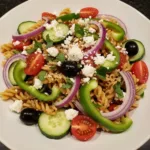
This vibrant gluten-free pasta salad is a simple, satisfying, and delicious dish perfect for family meals, potlucks, and picnics. It became a family favorite after the author's youngest was diagnosed with celiac disease, designed to create a meal everyone could enjoy together. Packed with fresh vegetables, quality gluten-free pasta, and a zesty homemade dressing, it's incredibly easy to prepare, versatile, and a guaranteed crowd-pleaser for everyone, regardless of dietary needs, offering convenience, nutrition, and incredible taste.
- Prep Time: 20 mins
- Cook Time: 10 mins
- Total Time: 60 mins
- Yield: 6 servings 1x
- Category: Salad
- Method: Assemble
- Cuisine: American
- Diet: Gluten Free
Ingredients
12 ounces Gluten-Free Pasta
1 pint Cherry Tomatoes
1 large English Cucumber
1/2 small Red Onio
1 medium Green Bell Pepper
1/2 cup Black Olives
1/2 cup Feta Cheese
1/2 cup Olive Oil
1/4 cup Red Wine Vinegar
1 teaspoon Dijon Mustard
1 teaspoon Dried Oregano
2 cloves Garlic
1/2 teaspoon Salt
1/4 teaspoon Black Pepper
Instructions
- Cook the Gluten-Free Pasta: Bring a large pot of salted water to a rolling boil. Add your chosen gluten-free pasta and cook according to package directions until al dente. Immediately drain the pasta and rinse it thoroughly under cold water to stop the cooking process and prevent sticking. Let it drain very well
- Prepare the Vegetables: While the pasta cooks, wash and chop all your vegetables. Halve the cherry tomatoes, dice the cucumber, finely dice the red onion, and chop the green bell pepper. Slice the black olives. You want consistent, bite-sized pieces for the best texture
- Make the Dressing: In a small bowl or a jar with a tight-fitting lid, combine the olive oil, red wine vinegar, Dijon mustard, dried oregano, minced garlic, salt, and black pepper. Whisk everything together vigorously or shake the jar until the dressing is well combined and emulsified. Taste and adjust seasoning as needed
- Combine Ingredients: In a large mixing bowl, add the cooled, drained gluten-free pasta, all the chopped vegetables (cherry tomatoes, cucumber, red onion, green bell pepper, black olives), and the crumbled feta cheese (if using)
- Dress the Salad: Pour the prepared dressing over the pasta and vegetable mixture. Toss everything gently but thoroughly, ensuring every piece of pasta and every vegetable is coated evenly with the flavorful dressing
- Chill and Serve: Cover the bowl tightly with plastic wrap and refrigerate the gluten free pasta salad for at least 30 minutes, or ideally 2 hours. Chilling allows the flavors to meld beautifully and intensifies the taste. Give it another good toss before serving
Notes
Rinsing gluten-free pasta under cold water immediately after draining removes excess starch and prevents it from sticking together, resulting in a perfectly textured salad. Don't skip it!
Do not overcook the pasta: Gluten-free pasta can go from al dente to mushy very quickly. Follow package directions precisely, and err on the side of slightly undercooking it, as it will soften further as it absorbs the dressing.
Chop evenly: Aim for roughly uniform, bite-sized pieces for all your vegetables to ensure a balanced mix of flavors and textures in every forkful.
Let the flavors marry: Allowing the salad to chill in the refrigerator for at least 1-2 hours (or overnight for even better results) allows the dressing to penetrate the pasta and vegetables, creating a more cohesive and flavorful dish.
Taste and adjust: Always taste your dressing before pouring it over the salad, and then taste the entire salad before serving. Adjust salt, pepper, or vinegar as needed.
Dress generously: Gluten-free pasta tends to absorb more liquid than traditional pasta, so a generous amount of dressing ensures a moist and flavorful salad.
Add fresh herbs last: If incorporating delicate fresh herbs like basil or parsley, stir them in just before serving to preserve their vibrant color and fresh flavor.
Storage: Store any leftover salad in an airtight container in the refrigerator for 3-4 days. The flavors actually deepen and improve over time.
Reheating: This salad is meant to be served chilled or at room temperature and does not reheat well. If the salad seems a bit dry after a day or two in the fridge, simply add a small splash of olive oil or a little extra red wine vinegar and toss before serving to revitalize flavors and moisture.
Feta cheese is optional; omit for a dairy-free version. Nutritional yeast can be added for a cheesy, dairy-free flavor if desired.
This recipe is highly adaptable: experiment with different gluten-free pasta shapes (farfalle, cavatappi), vegetable swaps (yellow/orange bell peppers, spinach, corn, carrots, fresh parsley, basil, or dill), protein boosts (cooked chicken, chickpeas, grilled shrimp, canned tuna), other cheese options (Parmesan, bocconcini), or dressing variations (creamy with Greek yogurt, lemon-herb, pesto, or spicy with red pepper flakes).
Nutrition
- Serving Size: 1 serving
- Calories: 320 kcal
- Sugar: 5g
- Sodium: 350mg
- Fat: 18g
- Saturated Fat: 3g
- Unsaturated Fat: 15g
- Trans Fat: 0g
- Carbohydrates: 35g
- Fiber: 4g
- Protein: 8g
- Cholesterol: 10mg
Find it online: https://fabiloustaste.com/gluten-free-pasta-salad/