Gluten free carrot cake

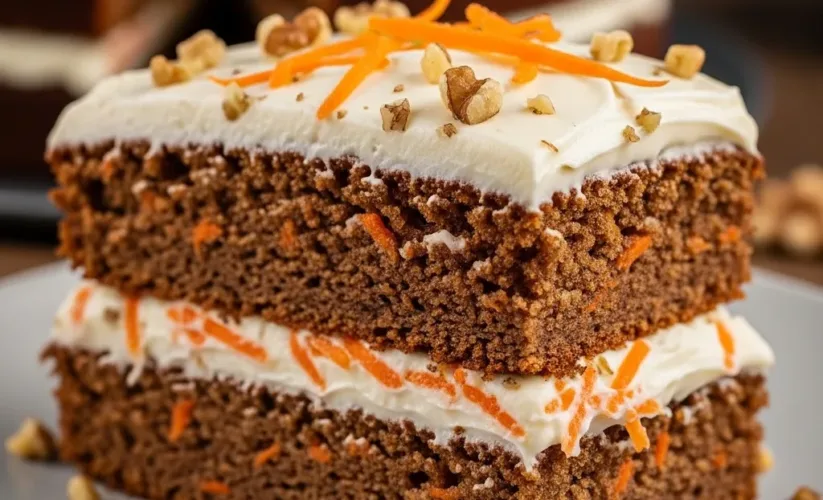
The scent of cinnamon and nutmeg always transports me back to my grandmother’s kitchen. She had a way of making every gathering feel special, and her carrot cake was legendary. When my eldest, Leo, was diagnosed with celiac disease a few years ago, I feared those cherished traditions might be lost.
But food, for me, is love, and I was determined to keep those flavors alive, adapting them for his needs. After many attempts, countless tweaks, and a few crumbly disasters, I finally perfected what I proudly call the best gluten free carrot cake recipe. It’s rich, moist, spiced just right, and honestly, no one ever guesses it’s gluten-free.
This isn’t just a recipe; it’s a piece of our family history, reimagined. I promise, making this incredible gluten free carrot cake will bring joy to your kitchen and smiles to everyone lucky enough to try a slice. It’s simple, nourishing, and utterly delicious.
Why You’ll Love This Amazing Gluten Free Carrot Cake Recipe
You are about to discover your new favorite dessert. This isn’t just another gluten free carrot cake; it’s a revelation. First, its moist, tender crumb truly stands out.
Many gluten-free baked goods can feel dry or dense, but this recipe creates a perfectly light and fluffy texture every single time. Moreover, the balance of warm spices—cinnamon, nutmeg, and a hint of ginger—is simply divine. These spices perfectly complement the sweetness of the carrots and the richness of the cream cheese frosting.
Furthermore, it’s incredibly versatile. You can add nuts, raisins, or even pineapple chunks to customize your perfect slice. This makes it ideal for any occasion, from a casual family dinner to a festive holiday gathering.
Finally, and perhaps most importantly for busy parents like me, this gluten free carrot cake recipe is surprisingly straightforward. You don’t need fancy equipment or advanced baking skills to achieve spectacular results. You simply combine the ingredients, bake, and then enjoy the delicious reward. Make this your go-to gluten free carrot cake recipe; your family will thank you!
Ingredients You’ll Need
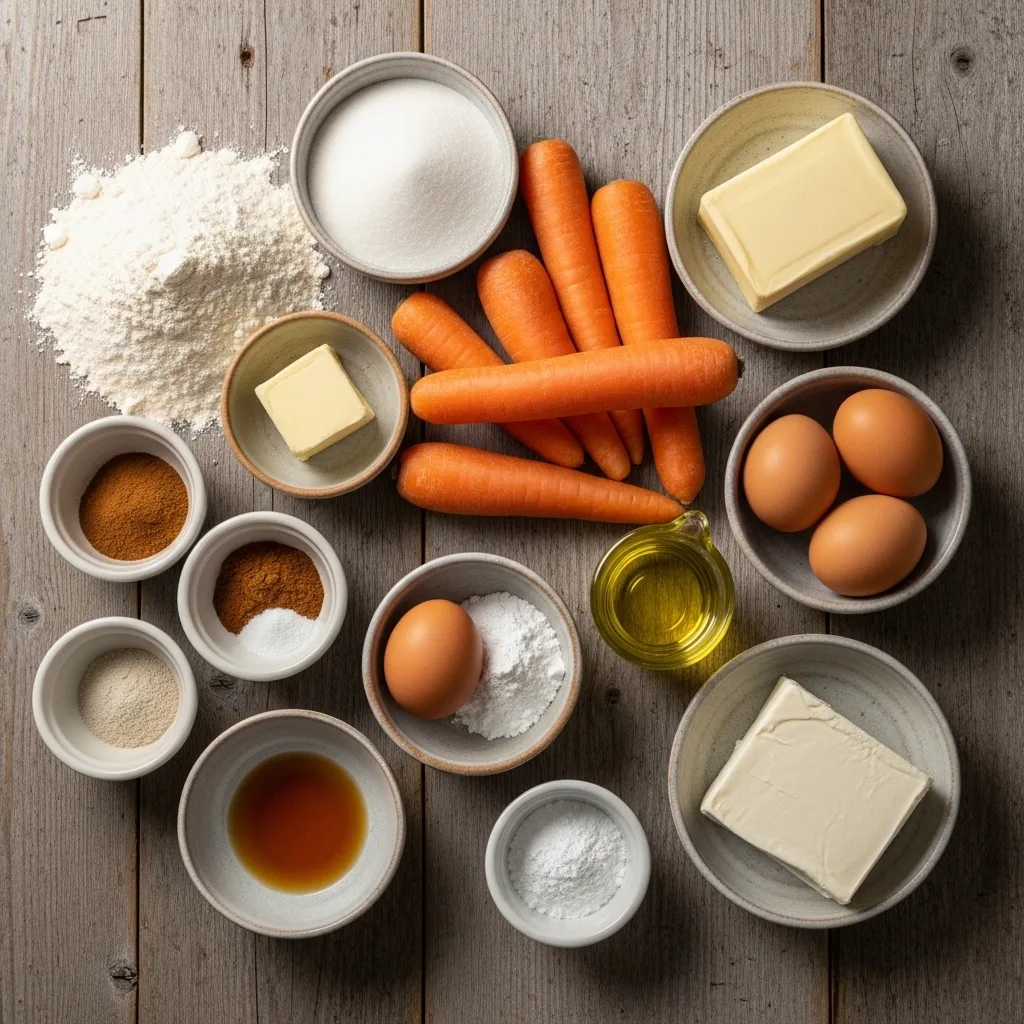
Creating this spectacular gluten free carrot cake requires a few simple, wholesome ingredients. Each component plays a crucial role in achieving that perfect texture and flavor.
| Ingredient Category | Item | Quantity | Notes |
|---|---|---|---|
| Dry Ingredients | Gluten-Free All-Purpose Flour Blend | 2 cups (240g) | Ensure it contains xanthan gum or add 1 tsp if not. |
| Granulated Sugar | 1½ cups (300g) | For sweetness and moisture. | |
| Baking Soda | 2 teaspoons | Helps with rise and tender texture. | |
| Ground Cinnamon | 2 teaspoons | Essential warm spice. | |
| Ground Nutmeg | ½ teaspoon | Adds depth of flavor. | |
| Wet Ingredients | Large Eggs | 4 | Bind ingredients and add richness. |
| Vegetable Oil | 1 cup (240ml) | Creates an incredibly moist crumb. | |
| Vanilla Extract | 2 teaspoons | Enhances all the flavors. | |
| Star Ingredient | Grated Carrots | 3 cups (300g) | Peeled and finely grated. |
| Cream Cheese Frosting | Cream Cheese | 8 oz (226g) | Softened, full-fat for best results. |
| Unsalted Butter | ½ cup (113g) | Softened, adds richness. | |
| Powdered Sugar | 4 cups (480g) | Sifted for a smooth frosting. | |
| Vanilla Extract | 1 teaspoon | A must for classic cream cheese flavor. |
Substitutions & Variations
This gluten free carrot cake recipe is wonderfully adaptable. Feel free to customize it based on your dietary needs or personal preferences. Remember, baking is an art, so have fun with it!
* Flour Blend: While I recommend a good quality all-purpose gluten-free flour blend with xanthan gum, you can experiment. Just ensure your chosen blend works well for cakes. If your blend lacks xanthan gum, add 1 teaspoon per cup of flour for structure.
* Sweetener Alternatives: You can swap granulated sugar for coconut sugar for a slightly less refined option, though it will impart a subtle caramel flavor and darker color. Maple syrup or honey could work in smaller amounts for some moisture, but you’d need to adjust other liquids. I recommend sticking to the sugar for the most consistent results with this gluten free carrot cake.
* Dairy-Free Option: For a dairy-free gluten free carrot cake, replace the eggs with flax eggs (1 tbsp ground flaxseed + 3 tbsp water per egg, let sit for 5 minutes). Use a plant-based oil (like canola or grapeseed) and ensure your gluten-free flour blend is dairy-free. For the frosting, use a dairy-free cream cheese alternative and vegan butter.
The texture might vary slightly, but it will still be delicious.
* Add-Ins: Elevate your gluten free carrot cake! Fold in ½ cup of chopped walnuts or pecans for a delightful crunch.
Golden raisins or dried cranberries add a burst of chewy sweetness. For a tropical twist, incorporate ½ cup of crushed pineapple (well-drained) into the batter. This adds extra moisture and a bright flavor profile to your gluten free carrot cake.
* Spice Adjustments: Feel free to adjust the spices to your liking. Add ¼ teaspoon of ground ginger or a pinch of cloves for extra warmth. A touch of cardamom can also be a wonderful addition.
* Citrus Zest: For a brighter flavor, add 1 teaspoon of orange or lemon zest to the cake batter. It beautifully complements the carrot and spices in this classic gluten free carrot cake.
* Less Sugar: If you prefer a less sweet cake, you can reduce the granulated sugar in the cake batter by up to ¼ cup. Be aware that sugar contributes to moisture, so reducing it too much can alter the texture.
This recipe’s adaptability makes it a joy to customize for various dietary needs, much like how you might adjust other dishes. If you’re looking to explore more savory gluten-free options that are equally comforting and delicious, you’ll love preparing a hearty Gluten Free Shepherds Pie.
Step-by-Step Instructions
Note: This video is for demonstration purposes and may use a slightly different method.
Baking this perfect gluten free carrot cake is a simple and rewarding process. Follow these steps for a truly incredible result.
1. Prepare Your Oven and Pans: Preheat your oven to 350°F (175°C). Grease and flour two 9-inch round cake pans with gluten-free flour.
You can also line the bottoms with parchment paper for easier release. This initial step sets you up for success with your gluten free carrot cake.
2. Combine Dry Ingredients: In a large mixing bowl, whisk together the gluten-free all-purpose flour blend, granulated sugar, baking soda, ground cinnamon, and ground nutmeg. Make sure there are no lumps; a well-combined dry mix ensures even baking for your gluten free carrot cake.
3. Mix Wet Ingredients: In a separate medium bowl, whisk the eggs, vegetable oil, and vanilla extract until well combined. This forms the liquid base for your moist gluten free carrot cake.
4. Combine Wet and Dry: Pour the wet ingredients into the dry ingredients. Mix on low speed with an electric mixer, or by hand with a spatula, just until combined. Avoid overmixing, as this can lead to a tougher cake.
5. Fold in Carrots: Gently fold in the grated carrots until evenly distributed throughout the batter. If you are adding nuts or raisins, fold them in now too. You’ll see the beautiful flecks of orange appearing in your gluten free carrot cake batter.
6. Divide and Bake: Divide the batter evenly between the two prepared cake pans. Smooth the tops with a spatula.
Bake for 30-35 minutes, or until a wooden skewer inserted into the center of the cakes comes out clean. Baking times can vary slightly, so check periodically. This ensures your gluten free carrot cake is perfectly cooked.
7. Cool the Cakes: Remove the cakes from the oven and let them cool in the pans for 10-15 minutes. Then, carefully invert them onto a wire rack to cool completely.
Do not try to frost warm cakes, as the frosting will melt. Patience is key for a beautifully frosted gluten free carrot cake.
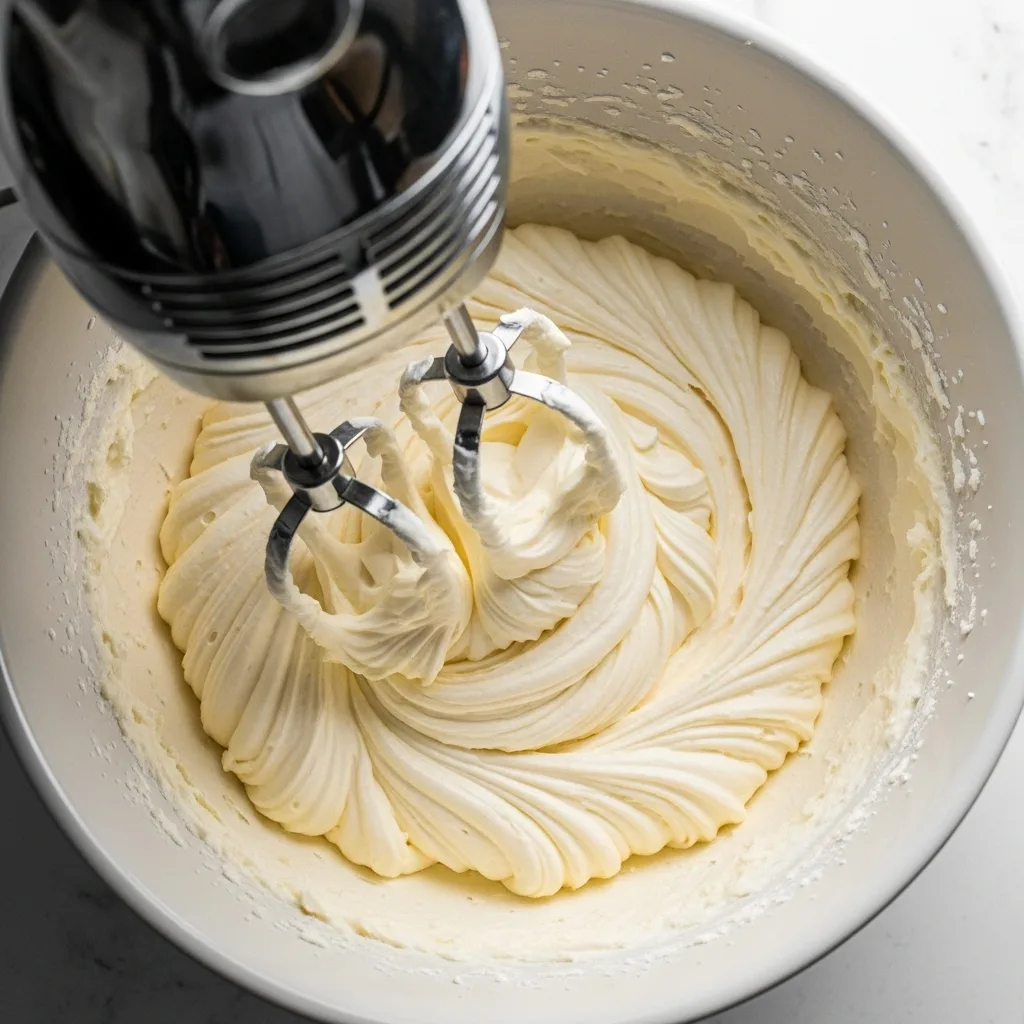
8. Prepare the Frosting: While the cakes cool, prepare the cream cheese frosting. In a large bowl, using an electric mixer, beat the softened cream cheese and softened unsalted butter until light and fluffy.
Gradually add the powdered sugar, one cup at a time, beating well after each addition until smooth. Finally, beat in the vanilla extract.
9. Assemble and Frost: Once the cakes are completely cool, place one layer on your serving plate. Spread about one-third of the cream cheese frosting evenly over the top.
Carefully place the second cake layer on top. Use the remaining frosting to cover the top and sides of the entire gluten free carrot cake. Decorate with extra grated carrot, chopped nuts, or edible flowers if desired. Slice and enjoy your homemade gluten free carrot cake!
Pro Tips for Success
Achieving the perfect gluten free carrot cake is easy with a few insider tips. These simple suggestions will elevate your baking and ensure a delicious outcome every time.
* Measure Your Flour Correctly: This is crucial for gluten-free baking. Scoop your gluten-free flour blend into the measuring cup, then level it off with a straight edge. Do not pack it down.
Too much flour results in a dry cake. Accuracy here makes a big difference for your gluten free carrot cake.
* Finely Grate Carrots: Use the small holes on your box grater or a food processor with a grating attachment to finely shred the carrots.
Smaller pieces distribute more evenly, provide moisture, and almost melt into the cake, creating a smoother texture for your gluten free carrot cake.
* Room Temperature Ingredients for Frosting: Ensure your cream cheese and butter are softened to room temperature for the frosting. This allows them to combine smoothly, creating a light, fluffy, and lump-free cream cheese frosting.
Cold ingredients will result in a clumpy frosting that is difficult to spread on your gluten free carrot cake.
* Do Not Overmix: After combining wet and dry ingredients, mix just until no streaks of dry flour remain. Overmixing develops any gluten present in the flour blend (even gluten-free flours can develop some structure), leading to a tougher, denser cake.
A light hand keeps your gluten free carrot cake tender.
* Cool Completely Before Frosting: This cannot be stressed enough! Frosting a warm cake will cause the frosting to melt and slide right off.
Allow your cake layers to cool completely on a wire rack, which can take a couple of hours. Patience is a virtue when waiting to frost your beautiful gluten free carrot cake.
* Parchment Paper is Your Friend: Line the bottoms of your cake pans with parchment paper after greasing.
This extra step guarantees easy release and prevents your cake layers from sticking, ensuring perfectly intact layers for your gluten free carrot cake.
* Even Layers for Baking: Divide your batter as evenly as possible between the two cake pans. Use a kitchen scale if you want to be precise.
Even layers ensure both cakes bake uniformly and finish at the same time, making assembly of your gluten free carrot cake much smoother.
* Test for Doneness: A simple wooden skewer or toothpick inserted into the center of the cake should come out clean when the cake is done. If it comes out with wet batter, continue baking for a few more minutes. Avoid overbaking, as this can dry out your wonderful gluten free carrot cake.
Accurate measurements are paramount in gluten-free baking to achieve the perfect texture, a principle that extends to many other gluten-free dishes. For another fantastic meal where precise ingredient handling ensures a flavorful outcome, try your hand at a quick and tasty Gluten Free Beef Stir Fry.
Storage & Reheating Tips
Proper storage ensures your delicious gluten free carrot cake stays fresh and enjoyable for as long as possible. Follow these simple guidelines to maintain its incredible taste and texture.
* Refrigeration is Key: Due to the cream cheese frosting, this gluten free carrot cake *must* be stored in the refrigerator. Cover it tightly with plastic wrap or place it in an airtight cake carrier. This prevents the cake from drying out and keeps the frosting safe.
* Shelf Life: When stored properly in the refrigerator, your gluten free carrot cake will remain fresh for up to 3-4 days.
* Freezing Unfrosted Cake Layers: If you want to prepare ahead, bake the cake layers and let them cool completely. Wrap each unfrosted layer individually in plastic wrap, then an additional layer of aluminum foil.
You can freeze them for up to 2 months. Thaw frozen layers in the refrigerator overnight before frosting. This is a fantastic time-saver for your next gluten free carrot cake.
* Freezing Frosted Cake (Optional): You can freeze frosted slices or even a whole frosted gluten free carrot cake. Flash freeze individual slices on a baking sheet until the frosting is firm (about 1-2 hours). Then, wrap each slice tightly in plastic wrap and foil.
For a whole cake, flash freeze, then wrap the entire cake. It will last in the freezer for about 1 month. The texture of the frosting might change slightly upon thawing, but it will still be delicious.
* Reheating (Thawing) Tips: To serve frozen cake, simply remove it from the freezer and let it thaw in the refrigerator overnight, or at room temperature for a few hours. This allows the cake and frosting to return to their optimal texture.
* Serving Temperature: For the best flavor and texture, allow your refrigerated gluten free carrot cake to sit at room temperature for about 30 minutes before serving. This softens the frosting and enhances the cake’s moistness and spice flavors.
What to Serve With This Recipe
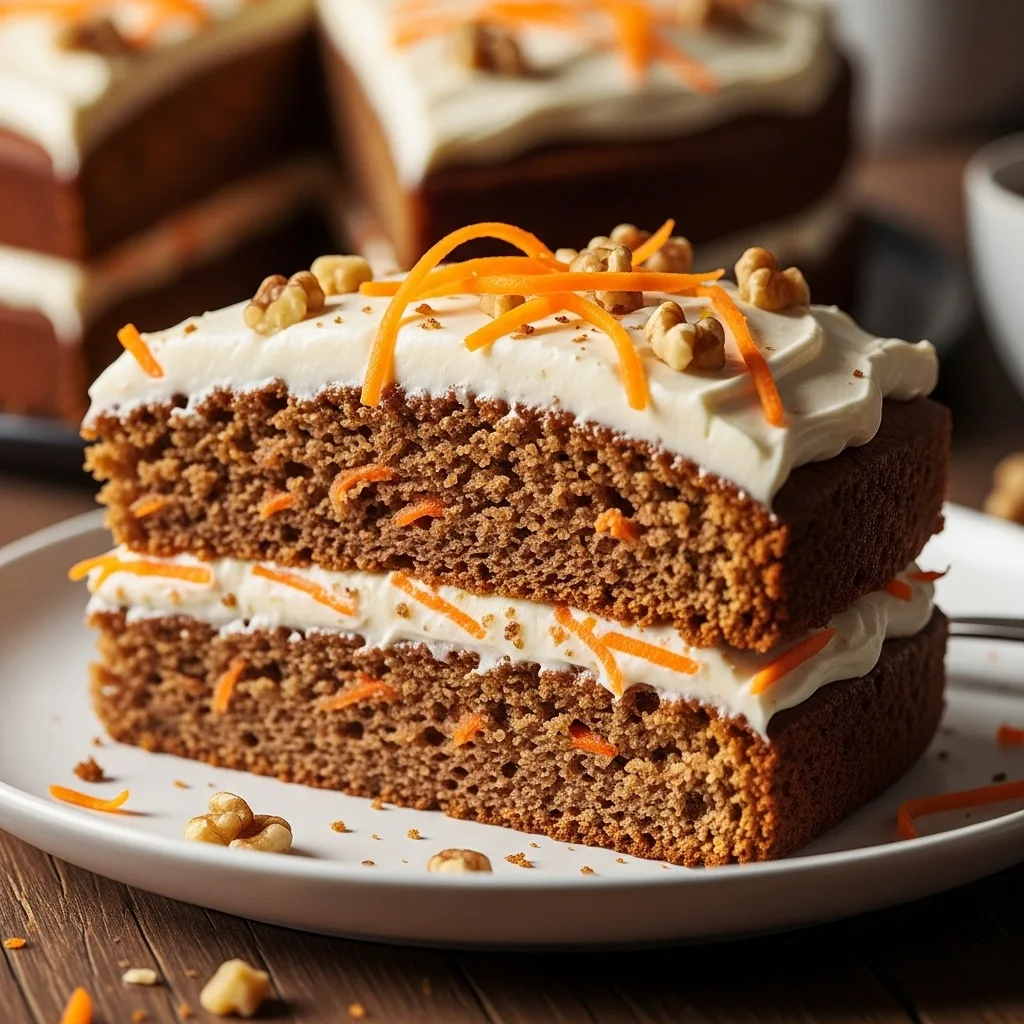
This exquisite gluten free carrot cake is a star all on its own, but pairing it with a few simple accompaniments can elevate the experience even further. These suggestions perfectly complement its rich flavors and moist texture.
* A Simple Cup of Coffee or Tea: The classic pairing. A hot cup of freshly brewed coffee, especially a dark roast, cuts through the richness of the cream cheese frosting beautifully. Alternatively, a comforting herbal tea, like chamomile or peppermint, offers a soothing contrast.
* Vanilla Ice Cream: A scoop of high-quality vanilla bean ice cream served alongside a warm slice of gluten free carrot cake is pure indulgence. The cold, creamy ice cream melts slightly into the cake, creating an incredible textural and temperature contrast.
* Fresh Fruit: A side of fresh berries—strawberries, raspberries, or blueberries—adds a refreshing, slightly tart counterpoint to the sweetness of the cake.
A simple fruit salad also works wonderfully. The vibrant colors and natural sweetness of fruit enhance your gluten free carrot cake.
* A Dollop of Whipped Cream: Lightly sweetened homemade whipped cream offers another layer of creamy texture without being as heavy as ice cream.
It’s an elegant addition that lets the gluten free carrot cake truly shine.
* Nutty Topping: For an extra crunch, sprinkle a few toasted chopped walnuts or pecans over each slice just before serving. This highlights the nutty notes often found in classic carrot cake and adds a lovely texture to your gluten free carrot cake.
* Espresso Martini (for adults!): For an adult evening treat, a well-made espresso martini is a sophisticated pairing. Its coffee notes and slight bitterness beautifully complement the sweet and spiced flavors of the gluten free carrot cake.
* Warm Apple Cider: During cooler months, a mug of warm, spiced apple cider is a cozy and seasonal choice that harmonizes with the spices in the gluten free carrot cake.
While a warm cup of coffee or tea perfectly complements this rich dessert, thinking about delightful pairings is equally important for main courses. For a fresh and vibrant gluten-free dinner that’s perfect for a weeknight, these satisfying Gluten Free Fish Tacos are a fantastic choice.
FAQs
Can I make this gluten free carrot cake dairy-free?
Yes, absolutely! To make this gluten free carrot cake dairy-free, you need to make a few substitutions. For the cake itself, ensure your gluten-free flour blend is dairy-free and use a plant-based oil.
For the frosting, replace the cream cheese with a high-quality dairy-free cream cheese alternative and the butter with vegan butter sticks. The texture will be very similar, and the flavor will remain delicious.
How do I know when my gluten free carrot cake is done baking?
The best way to check for doneness for your gluten free carrot cake is to insert a wooden skewer or toothpick into the center of the cake. If it comes out clean with no wet batter or moist crumbs attached, your cake is ready. The edges should also look set and slightly golden. Avoid opening the oven door too frequently, especially during the first 20 minutes, as this can cause the cake to sink.
Can I use a different gluten-free flour blend for this carrot cake?
You can certainly experiment with different gluten-free flour blends for this gluten free carrot cake. However, results may vary. It’s crucial to use a blend designed for baking that ideally contains xanthan gum for structure.
If your blend does not contain xanthan gum, add 1 teaspoon per cup of flour to the dry ingredients. Different blends have varying absorption rates, so keep an eye on the batter consistency; if it seems too thick, add a tablespoon or two of milk (dairy or non-dairy).
Is it possible to make this gluten free carrot cake ahead of time?
Yes, this gluten free carrot cake is an excellent make-ahead dessert! You can bake the cake layers up to 2 days in advance. Once completely cooled, wrap each layer tightly in plastic wrap and store them at room temperature (if it’s not too hot) or in the refrigerator.
You can also prepare the frosting a day in advance and store it in an airtight container in the fridge; just bring it to room temperature and re-whip it slightly before frosting. This makes entertaining with your gluten free carrot cake much less stressful.
How long does homemade gluten free carrot cake last?
When stored properly in an airtight container in the refrigerator, your homemade gluten free carrot cake will last for 3-4 days. For optimal freshness, let it come to room temperature for about 30 minutes before serving. If you need it to last longer, consider freezing individual slices or unfrosted layers as described in the Storage & Reheating Tips section.
Carrot cake, a beloved dessert often topped with cream cheese frosting, traces its origins back centuries, evolving from savory root vegetable puddings. Modern culinary innovations, driven by increased awareness of food sensitivities, have made gluten-free diets more accessible and diverse, allowing everyone to enjoy classics like this moist carrot cake.
Nutrition Information (per serving)
Please note: This nutrition information is an estimate based on the ingredients listed and assumes 12 servings per cake. Actual values may vary based on specific brands, exact measurements, and any substitutions or additions made to this gluten free carrot cake.
| Nutrient | Amount (Estimated) |
|---|---|
| Calories | 450 kcal |
| Total Fat | 28g |
| Saturated Fat | 10g |
| Cholesterol | 85mg |
| Sodium | 310mg |
| Total Carbohydrates | 48g |
| Dietary Fiber | 2g |
| Total Sugars | 38g |
| Protein | 4g |

gluten free carrot cake
The scent of cinnamon and nutmeg always transports me back to my grandmother’s kitchen. She had a way of making every gathering feel special, and her carrot cake was legendary. When my eldest, Leo, was diagnosed with celiac disease a few years ago, I feared those cherished traditions might be lost. But food, for me, is love, and I was determined to keep those flavors alive, adapting them for his needs. After many attempts, countless tweaks, and a few crumbly disasters, I finally perfected what I proudly call the best gluten free carrot cake recipe. It’s rich, moist, spiced just right, and honestly, no one ever guesses it's gluten-free. This isn't just a recipe; it’s a piece of our family history, reimagined. I promise, making this incredible gluten free carrot cake will bring joy to your kitchen and smiles to everyone lucky enough to try a slice. It’s simple, nourishing, and utterly delicious.
- Total Time: 65 mins
- Yield: 12 servings 1x
Ingredients
2 cups Gluten-Free All-Purpose Flour Blend
1.5 cups Granulated Sugar
2 teaspoons Baking Soda
2 teaspoons Ground Cinnamo
0.5 teaspoon Ground Nutmeg
4 Large Eggs
1 cup Vegetable Oil
2 teaspoons Vanilla Extract
3 cups Grated Carrots
8 oz Cream Cheese
0.5 cup Unsalted Butter
4 cups Powdered Sugar
1 teaspoon Vanilla Extract
Instructions
- Preheat your oven to 350°F (175°C). Grease and flour two 9-inch round cake pans with gluten-free flour. You can also line the bottoms with parchment paper for easier release
- In a large mixing bowl, whisk together the gluten-free all-purpose flour blend, granulated sugar, baking soda, ground cinnamon, and ground nutmeg. Make sure there are no lumps
- In a separate medium bowl, whisk the eggs, vegetable oil, and vanilla extract until well combined
- Pour the wet ingredients into the dry ingredients. Mix on low speed with an electric mixer, or by hand with a spatula, just until combined. Avoid overmixing
- Gently fold in the grated carrots until evenly distributed throughout the batter. If you are adding nuts or raisins, fold them in now too
- Divide the batter evenly between the two prepared cake pans. Smooth the tops with a spatula. Bake for 30-35 minutes, or until a wooden skewer inserted into the center of the cakes comes out clea
- Remove the cakes from the oven and let them cool in the pans for 10-15 minutes. Then, carefully invert them onto a wire rack to cool completely. Do not try to frost warm cakes, as the frosting will melt
- While the cakes cool, prepare the cream cheese frosting. In a large bowl, using an electric mixer, beat the softened cream cheese and softened unsalted butter until light and fluffy. Gradually add the powdered sugar, one cup at a time, beating well after each addition until smooth. Finally, beat in the vanilla extract
- Once the cakes are completely cool, place one layer on your serving plate. Spread about one-third of the cream cheese frosting evenly over the top. Carefully place the second cake layer on top. Use the remaining frosting to cover the top and sides of the entire cake. Decorate with extra grated carrot, chopped nuts, or edible flowers if desired. Slice and enjoy your homemade gluten free carrot cake!
Notes
Measure Your Flour Correctly: Scoop your gluten-free flour blend into the measuring cup, then level it off with a straight edge. Do not pack it down. Too much flour results in a dry cake.
Finely Grate Carrots: Use the small holes on your box grater or a food processor with a grating attachment to finely shred the carrots. Smaller pieces distribute more evenly, provide moisture, and almost melt into the cake, creating a smoother texture.
Room Temperature Ingredients for Frosting: Ensure your cream cheese and butter are softened to room temperature for the frosting. This allows them to combine smoothly, creating a light, fluffy, and lump-free cream cheese frosting. Cold ingredients will result in a clumpy frosting that is difficult to spread.
Do Not Overmix: After combining wet and dry ingredients, mix just until no streaks of dry flour remain. Overmixing develops any gluten present in the flour blend, leading to a tougher, denser cake.
Cool Completely Before Frosting: Frosting a warm cake will cause the frosting to melt and slide right off. Allow your cake layers to cool completely on a wire rack, which can take a couple of hours.
Parchment Paper is Your Friend: Line the bottoms of your cake pans with parchment paper after greasing. This extra step guarantees easy release and prevents your cake layers from sticking.
Even Layers for Baking: Divide your batter as evenly as possible between the two cake pans. Use a kitchen scale if you want to be precise. Even layers ensure both cakes bake uniformly and finish at the same time.
Test for Doneness: A simple wooden skewer or toothpick inserted into the center of the cake should come out clean when the cake is done. Avoid overbaking.
Refrigeration is Key: Due to the cream cheese frosting, this cake must be stored in the refrigerator. Cover it tightly with plastic wrap or place it in an airtight cake carrier.
Shelf Life: When stored properly in the refrigerator, your cake will remain fresh for up to 3-4 days.
Freezing Unfrosted Cake Layers: Bake the cake layers and let them cool completely. Wrap each unfrosted layer individually in plastic wrap, then an additional layer of aluminum foil. Freeze for up to 2 months. Thaw frozen layers in the refrigerator overnight before frosting.
Freezing Frosted Cake (Optional): Flash freeze individual slices on a baking sheet until the frosting is firm (about 1-2 hours). Then, wrap each slice tightly in plastic wrap and foil. For a whole cake, flash freeze, then wrap. Lasts about 1 month.
Reheating (Thawing) Tips: To serve frozen cake, remove from freezer and let it thaw in the refrigerator overnight, or at room temperature for a few hours.
Serving Temperature: For the best flavor and texture, allow your refrigerated cake to sit at room temperature for about 30 minutes before serving.
- Prep Time: 30 mins
- Cook Time: 35 mins
- Category: Dessert
- Method: Baking
- Cuisine: American
- Diet: Gluten Free
Nutrition
- Serving Size: 1 slice
- Calories: 450 kcal
- Sugar: 38g
- Sodium: 310mg
- Fat: 28g
- Saturated Fat: 10g
- Carbohydrates: 48g
- Fiber: 2g
- Protein: 4g
- Cholesterol: 85mg