Beef Rendang

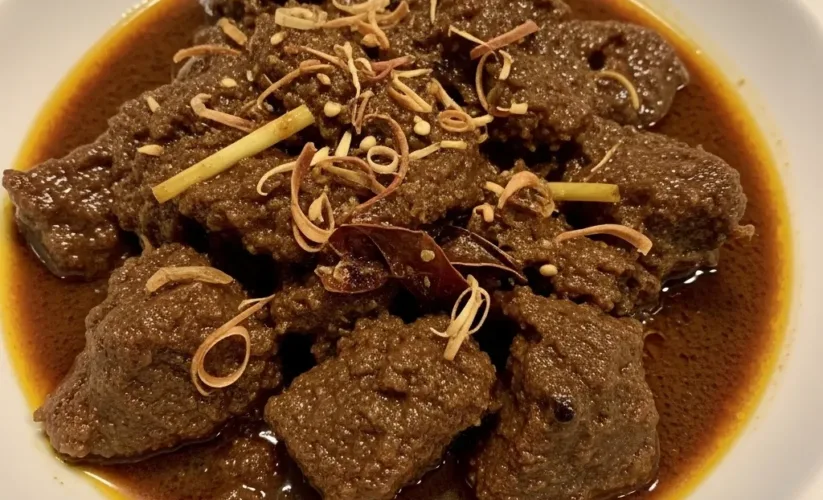
As a mom of three, I find immense joy in cooking for my family. There’s something truly special about gathering around the table, sharing a meal that feels like a warm hug. A few years ago, a dear friend introduced me to Beef Rendang, and it was love at first bite!
The rich, aromatic spices, the tender beef, and the creamy coconut sauce instantly captivated me. I knew right then that I had to recreate this incredible dish in my own kitchen. It felt like a culinary adventure, bringing a taste of Southeast Asia right to our home.
Crafting a halal-friendly version of this classic Malaysian and Indonesian curry became my mission, ensuring all the ingredients aligned with our dietary needs while maintaining every bit of its authentic flavor. Now, it’s one of my go-to recipes for a comforting, yet exotic, family dinner. This particular Beef Rendang recipe is designed to be completely halal-friendly, using only the finest halal certified ingredients, making it accessible and delicious for everyone.
Why You’ll Love This Recipe
This isn’t just any stew; it’s a culinary masterpiece that will impress everyone at your table. First, you’ll adore the incredible depth of flavor. This Beef Rendang bursts with aromatic spices like lemongrass, ginger, galangal, and chilies, all simmered in a rich, thick coconut sauce until the beef becomes unbelievably tender.
Furthermore, it’s a fantastic make-ahead meal; the flavors only deepen and improve overnight, making it perfect for meal prep or entertaining. You’ll also appreciate how naturally nourishing this hearty dish is, packed with protein and wholesome ingredients. Finally, this halal-friendly Beef Rendang recipe brings an exotic, restaurant-quality meal right into your home, effortlessly turning an ordinary dinner into a special occasion without complex steps.
Ingredients You’ll Need
To create this magnificent Beef Rendang, you will need a selection of fresh spices and quality halal certified ingredients.
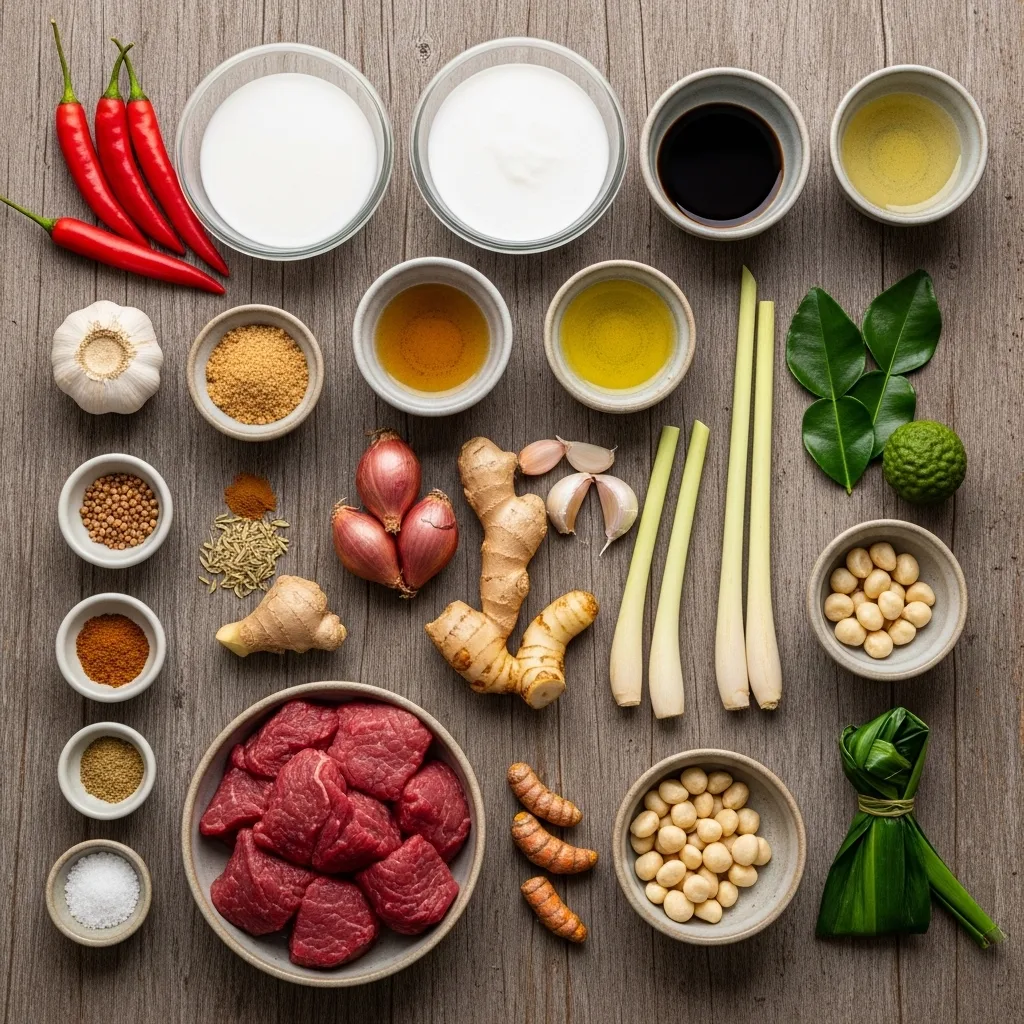
All ingredients halal certified.
| Ingredient | Quantity |
|---|---|
| Halal Beef Stew Meat (chuck or brisket), cut into 2-inch pieces | 2 lbs (approx. 900g) |
| Full-fat Coconut Milk | 2 cans (13.5 oz each, approx. 800ml total) |
| Coconut Cream | 1 can (5.4 oz, approx. 160ml) |
| Kaffir Lime Leaves | 6-8 leaves |
| Lemongrass Stalks, bruised | 2 stalks |
| Turmeric Leaves (optional, but highly recommended for authentic flavor) | 2 leaves, tied in a knot |
| Tamari (halal soy sauce) | 2 tbsp |
| Brown Sugar (or palm sugar) | 1 tbsp |
| Salt to taste | |
| Cooking Oil (halal vegetable oil) | 3 tbsp |
| For the Spice Paste (Halal Certified Ingredients): | |
| Red Chilies (fresh, adjust to spice preference) | 6-10 (deseed for less heat) |
| Shallots | 4-5 medium |
| Garlic Cloves | 4-5 cloves |
| Ginger, peeled and chopped | 1.5 inch piece |
| Galangal, peeled and chopped | 1.5 inch piece |
| Lemongrass Stalk (bottom white part only), chopped | 1 stalk |
| Candlenuts (or macadamia nuts), lightly toasted | 4-5 nuts |
| Dried Turmeric Root (or 1 tsp ground turmeric) | 1 inch piece |
| Coriander Powder | 1 tsp |
| Cumin Powder | 0.5 tsp |
| Fennel Powder | 0.5 tsp |
Substitutions & Variations
This Beef Rendang recipe is wonderfully adaptable. If you can’t find specific ingredients, fear not!
* Meat: While this recipe focuses on Beef Rendang, you can easily adapt it for halal chicken (thighs work best) or halal lamb.
Adjust cooking time accordingly; chicken will cook much faster.
* Chilies: For less heat, use fewer red chilies or remove the seeds completely. For more heat, add a few bird’s eye chilies to your spice paste.
* Candlenuts: Macadamia nuts make an excellent substitute, providing the same creamy texture. If you don’t have either, you can omit them, though the sauce might be slightly thinner.
* Galangal: Fresh galangal adds a unique peppery, citrusy note crucial for authentic Beef Rendang.
If unavailable, you can use a bit more fresh ginger, but the flavor profile will shift slightly.
* Kaffir Lime Leaves: If fresh are hard to find, use dried kaffir lime leaves (rehydrate them first) or a tiny bit of lime zest, though the flavor won’t be identical.
* Turmeric Leaves: These add a distinct aroma to Beef Rendang.
If you cannot find them, simply omit them. The dish will still be delicious.
* Tamari: Always use tamari or another certified halal soy sauce to ensure your Beef Rendang remains halal-friendly.
Do not use regular soy sauce as many contain alcohol.
* Sweetness: Adjust the amount of brown sugar or palm sugar to your preference. Some like their Beef Rendang a bit sweeter, others prefer it savory.
This recipe highlights the versatility of beef, allowing for various adaptations and delicious twists. For another incredible beef dish with rich, savory flavors, explore our delightful Beef Bulgogi Korean BBQ Bowl.
Step-by-Step Instructions
Making this flavorful Beef Rendang involves a few steps, but each one contributes to the incredible final taste.
[ra_video]
1. Prepare the Beef: First, pat your halal beef stew meat dry with paper towels. This helps with browning.
Season generously with salt.
2. Make the Spice Paste: Next, gather all your spice paste ingredients.
Roughly chop the shallots, garlic, ginger, galangal, lemongrass, chilies, and turmeric root. Place them in a food processor or blender along with the candlenuts, coriander powder, cumin powder, and fennel powder. Add a tablespoon of cooking oil or a splash of water to help blend.
Process until you achieve a smooth, fine paste. This forms the flavor foundation for your Beef Rendang.
3.
Sauté the Spice Paste: Heat 2 tablespoons of halal cooking oil in a large heavy-bottomed pot or Dutch oven over medium heat. Add the prepared spice paste. Cook, stirring constantly, for about 8-10 minutes, until it becomes very fragrant and the oil separates from the paste.
This step is crucial for developing deep flavors in your Beef Rendang.
4. Brown the Beef: Add the beef pieces to the pot with the sautéed spice paste.
Stir well to coat all the beef evenly. Cook for 5-7 minutes, turning occasionally, until the beef is lightly browned on all sides.
5.
Add Liquids and Aromatics: Pour in the two cans of full-fat coconut milk and the can of coconut cream. Add the bruised lemongrass stalks, kaffir lime leaves, and tied turmeric leaves (if using). Stir in the tamari and brown sugar.
Bring the mixture to a gentle boil, then immediately reduce the heat to low.
6. Simmer and Reduce: Cover the pot and simmer the Beef Rendang for at least 2 hours, or until the beef is very tender.
Stir occasionally to prevent sticking. The sauce will gradually thicken during this time.
7.
Uncover and Dry Out: After the beef is tender, remove the lid. Continue to simmer the Beef Rendang uncovered for another 30-60 minutes, or even longer, over low heat. Stir more frequently now, gently scraping the bottom to prevent burning.
The goal is for the liquid to evaporate, and the sauce to thicken considerably, coating the beef beautifully. This process is key to achieving the signature “dry” texture of authentic Beef Rendang. The oil will render out, and the spices will cling to the beef, turning a rich dark brown.
8. Final Seasoning: Taste the Beef Rendang and adjust salt if needed. Remove the lemongrass stalks, kaffir lime leaves, and turmeric leaves before serving.
Pro Tips for Success
Achieving truly amazing Beef Rendang requires a little patience and a few expert tricks.
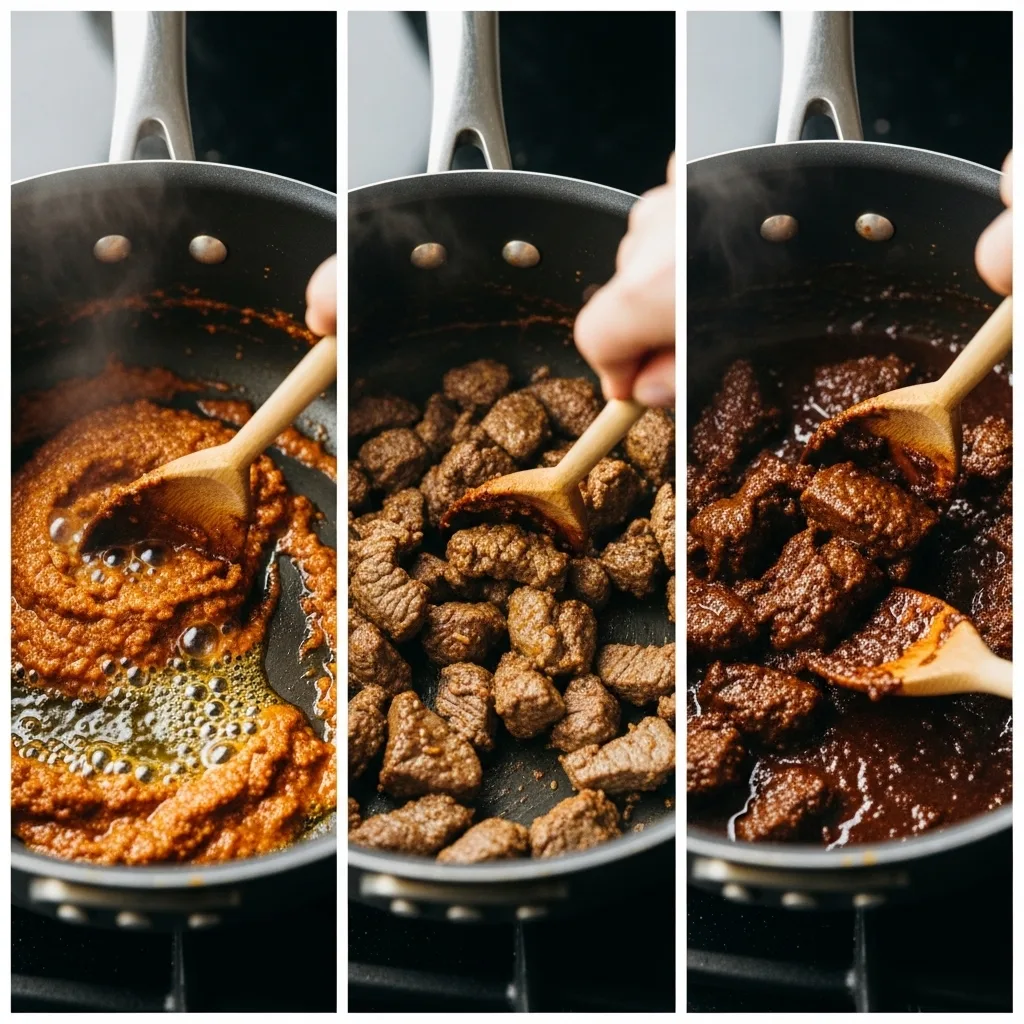
* Patience is Key: The most important tip for Beef Rendang is patience. Do not rush the simmering and reduction process. The longer it simmers and the more the sauce dries out, the more tender the beef becomes and the more intense the flavors develop.
This is how you get that rich, dark, caramelized texture.
* Quality Beef: Opt for halal beef chuck or brisket. These cuts have enough fat and connective tissue to break down during the long cooking, resulting in incredibly tender and succulent Beef Rendang.
* Fresh Spices: Whenever possible, use fresh ingredients for your spice paste. Fresh galangal, ginger, and lemongrass make a huge difference in the aroma and taste compared to their powdered counterparts.
* Bruise the Lemongrass: Before adding lemongrass stalks to the pot, bruise them with the back of a knife or a rolling pin.
This releases their aromatic oils, infusing the Beef Rendang with their distinctive citrusy fragrance.
* Don’t Burn the Paste: When sautéing the spice paste, keep the heat at medium and stir constantly. You want to cook out the raw flavor and deepen the spices, but not burn them, which can make your Beef Rendang bitter.
* Low and Slow: After adding the coconut milk, maintain a very low simmer. High heat can cause the coconut milk to split, resulting in an oily, less creamy sauce.
* Stir Frequently During Reduction: During the final reduction phase, stir frequently.
The sauce will be very thick and prone to sticking and burning on the bottom of the pot. Gentle scraping ensures an even reduction and prevents scorching.
* Resting Improves Flavor: Like many stews, Beef Rendang tastes even better the next day. The flavors meld and deepen further, making it an excellent dish to prepare in advance.
Just like rendang, some of the most flavorful beef dishes require time and specific techniques to perfect. Discover how patience also yields a magnificent result in our classic Beef Biriyani recipe.
Storage & Reheating Tips
Beef Rendang is an ideal make-ahead meal because its flavors truly deepen with time.
* Storage: Once cooled completely, transfer the Beef Rendang to an airtight container. Store it in the refrigerator for up to 3-4 days. For longer storage, you can freeze Beef Rendang for up to 3 months.
Portion it into individual servings before freezing for convenience.
* Reheating:
* From Refrigerator: Gently reheat the Beef Rendang in a pot on the stovetop over low to medium heat, stirring occasionally, until it’s warmed through. You might need to add a splash of halal beef broth or coconut milk if the sauce has thickened too much.
* From Freezer: Thaw frozen Beef Rendang in the refrigerator overnight. Then, reheat on the stovetop as described above. Alternatively, you can reheat directly from frozen in a microwave-safe dish, stirring every few minutes until heated through. Be cautious not to overcook, as this can make the beef tough.
What to Serve With This Recipe
The rich and robust flavors of Beef Rendang pair beautifully with simple accompaniments that balance its intensity.
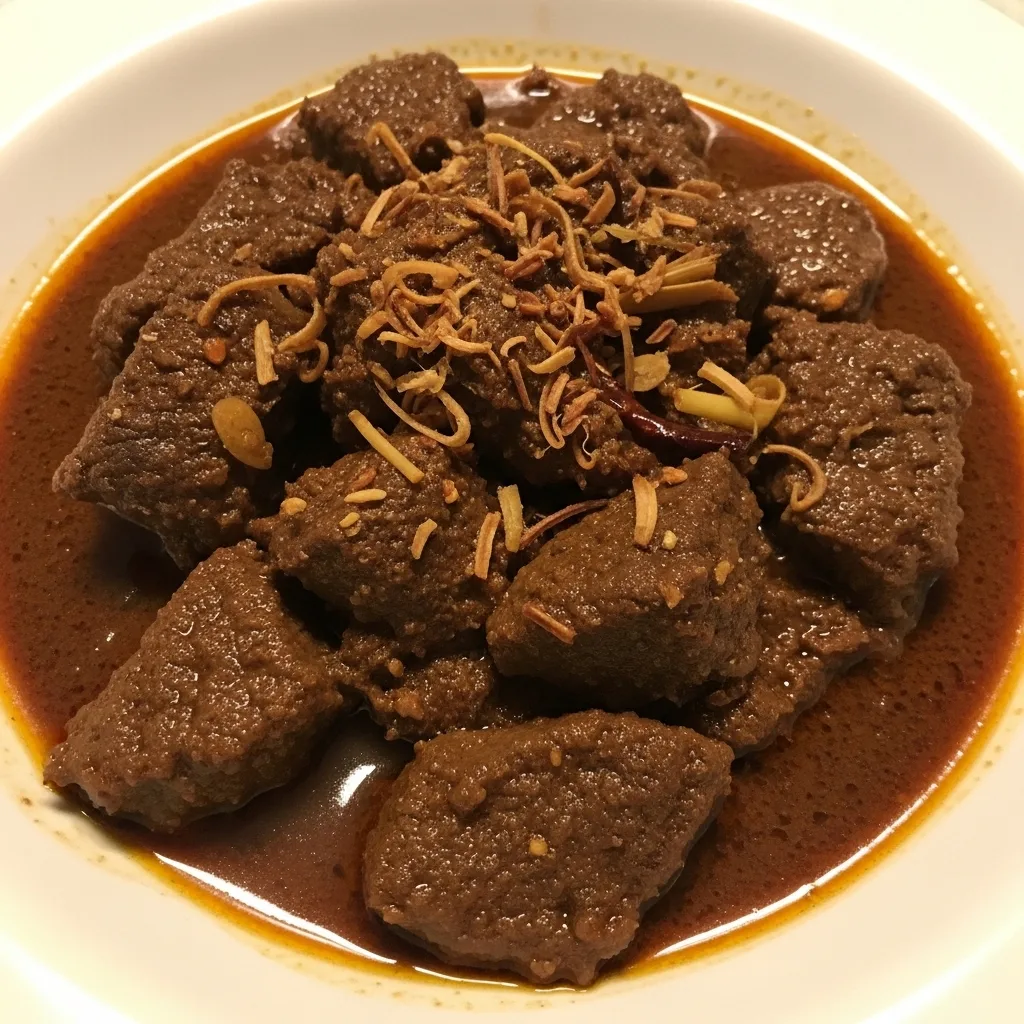
* Steamed Rice: The absolute classic pairing! Fluffy steamed jasmine rice is perfect for soaking up every last drop of the delicious, rich rendang sauce.
* Nasi Lemak: For an even more authentic Malaysian experience, serve your Beef Rendang with Nasi Lemak – coconut rice served with peanuts, anchovies, cucumber, and a sambal.
* Roti Prata or Naan: These flatbreads are fantastic for scooping up the tender beef and savory sauce. They provide a lovely textural contrast.
* Cucumber Salad: A simple, refreshing cucumber salad with a light dressing of lemon juice (instead of vinegar) helps cut through the richness of the Beef Rendang.
* Blanched Vegetables: Lightly blanched green beans, broccoli, or bok choy offer a fresh, healthy side that complements the hearty main dish without overpowering it.
* Fried Eggs: A simple fried egg, especially one with a runny yolk, adds another layer of richness and protein, often enjoyed with Beef Rendang in its native regions.
While Beef Rendang is perfect for dinner, beef can be a star at any meal, offering robust flavors that pair with many accompaniments. For a hearty start to your day, try our savory Beef Chorizo Breakfast Skillet.
FAQs
What is Beef Rendang?
Beef Rendang is a rich, aromatic, and spicy dry curry that originated in Indonesia, particularly among the Minangkabau people of West Sumatra. It is now widely popular across Southeast Asia, especially in Malaysia, Singapore, Brunei, and the Philippines. This dish features beef slow-cooked in coconut milk and a vibrant spice paste (rempah) until the liquid evaporates, and the spices become intensely flavorful and cling to the tender beef. It’s a celebratory dish, known for its deep, complex flavors.
Is this Beef Rendang recipe spicy?
The spice level of this Beef Rendang recipe is adjustable. The base recipe provides a moderate level of heat from the fresh red chilies. If you prefer a milder rendang, you can deseed the chilies or reduce their quantity. For those who love heat, feel free to add more chilies or even a few bird’s eye chilies to your spice paste.
Can I make Beef Rendang in a slow cooker or instant pot?
Yes, you can adapt this Beef Rendang recipe for a slow cooker or Instant Pot! For a slow cooker, follow steps 1-5 (browning the beef and sautéing the paste on the stovetop), then transfer everything to the slow cooker and cook on low for 6-8 hours or high for 3-4 hours, or until the beef is tender.
For an Instant Pot, use the sauté function for steps 1-5, then pressure cook on high for 45-60 minutes (depending on beef cut), followed by a natural release. Finish by using the sauté function again to reduce the sauce to the desired “dry” consistency, ensuring you stir frequently.
Why is my Beef Rendang not “dry” enough?
Achieving a “dry” Beef Rendang requires significant reduction of the liquid. If your rendang is still saucy, simply continue simmering it uncovered over low heat, stirring frequently. The process can take an additional 30 minutes to an hour, sometimes even longer, after the initial tenderizing phase. The goal is for the coconut milk to fully evaporate and caramelize, leaving a thick, dark, and intensely flavored coating on the beef.
What is galangal and why is it important for Beef Rendang?
Galangal is a root similar in appearance to ginger but with a more pungent, citrusy, and peppery flavor. It’s a staple in Southeast Asian cuisine, especially in dishes like Beef Rendang. Galangal contributes a unique aromatic depth that cannot be fully replicated by ginger alone.
It’s essential for achieving the authentic flavor profile of this traditional dish. Look for it in Asian grocery stores.
How do I ensure my Beef Rendang is truly halal-friendly?
To ensure your Beef Rendang is completely halal-friendly, always use halal certified beef from a reputable source. Carefully check all packaged ingredients like coconut milk and any sauces (e.g., tamari instead of regular soy sauce) to ensure they do not contain alcohol or non-halal additives. If you use broth, ensure it is halal beef or chicken broth. This recipe specifically calls for all halal certified ingredients to make it easy for you.
Beef Rendang is a rich, spicy, and creamy dry curry originating from the Minangkabau people of Indonesia, and is also widely popular in Malaysia. This iconic dish is celebrated for its complex flavors, achieved by slow-cooking beef with aromatic spices and coconut milk until the liquids caramelize, resulting in a tender, intensely flavored meat. The traditional preparation of Rendang exemplifies a culinary art that balances rich ingredients with meticulous cooking techniques.
Nutrition Information (per serving)
Please note that this is an estimated nutritional breakdown for one serving of Beef Rendang, based on the ingredients listed and assumes 8 servings per recipe. Actual values may vary depending on exact ingredient brands, portion sizes, and preparation methods.
| Nutrient | Amount (Estimated) |
|---|---|
| Calories | 550-650 kcal |
| Protein | 40-50 g |
| Total Fat | 35-45 g |
| Saturated Fat | 25-30 g |
| Carbohydrates | 15-20 g |
| Sugars | 5-8 g |
| Fiber | 3-5 g |
| Sodium | 600-800 mg |
Beef Rendang
A rich, aromatic, and spicy halal-friendly Beef Rendang recipe, inspired by traditional Malaysian and Indonesian curry. This culinary masterpiece features tender halal beef slow-cooked in a vibrant spice paste (rempah) and creamy coconut sauce until the liquid evaporates, and the spices become intensely flavorful, clinging beautifully to the beef. It's a comforting, yet exotic, family dinner that is naturally nourishing and perfect for special occasions or meal prep.
- Prep Time: 20 mins
- Cook Time: 3 hours 17 mins
- Total Time: 3 hours 37 mins
- Yield: 8 servings 1x
- Category: Dinner
- Method: Stewing
- Cuisine: Southeast Asian
- Diet: Halal
Ingredients
2 lbs Halal Beef Stew Meat (chuck or brisket), cut into 2-inch pieces
2 cans (13.5 oz each) Full-fat Coconut Milk
1 can (5.4 oz) Coconut Cream
6–8 leaves Kaffir Lime Leaves
2 stalks Lemongrass Stalks, bruised
2 leaves Turmeric Leaves (optional, tied in a knot)
2 tbsp Tamari (halal soy sauce)
1 tbsp Brown Sugar (or palm sugar)
To taste Salt
3 tbsp Cooking Oil (halal vegetable oil)
6–10 Red Chilies (fresh, adjust to spice preference)
4–5 medium Shallots
4–5 cloves Garlic Cloves
1.5 inch piece Ginger, peeled and chopped
1.5 inch piece Galangal, peeled and chopped
1 stalk Lemongrass Stalk (bottom white part only), chopped
4–5 nuts Candlenuts (or macadamia nuts), lightly toasted
1 inch piece Dried Turmeric Root (or 1 tsp ground turmeric)
1 tsp Coriander Powder
0.5 tsp Cumin Powder
0.5 tsp Fennel Powder
Instructions
- Prepare the Beef: Pat your halal beef stew meat dry with paper towels. Season generously with salt
- Make the Spice Paste: Roughly chop the shallots, garlic, ginger, galangal, lemongrass, chilies, and turmeric root. Place them in a food processor or blender along with the candlenuts, coriander powder, cumin powder, and fennel powder. Add a tablespoon of cooking oil or a splash of water to help blend. Process until you achieve a smooth, fine paste
- Sauté the Spice Paste: Heat 2 tablespoons of halal cooking oil in a large heavy-bottomed pot or Dutch oven over medium heat. Add the prepared spice paste. Cook, stirring constantly, for about 8-10 minutes, until it becomes very fragrant and the oil separates from the paste. This step is crucial for developing deep flavors
- Brown the Beef: Add the beef pieces to the pot with the sautéed spice paste. Stir well to coat all the beef evenly. Cook for 5-7 minutes, turning occasionally, until the beef is lightly browned on all sides
- Add Liquids and Aromatics: Pour in the two cans of full-fat coconut milk and the can of coconut cream. Add the bruised lemongrass stalks, kaffir lime leaves, and tied turmeric leaves (if using). Stir in the tamari and brown sugar. Bring the mixture to a gentle boil, then immediately reduce the heat to low
- Simmer and Reduce: Cover the pot and simmer the Beef Rendang for at least 2 hours, or until the beef is very tender. Stir occasionally to prevent sticking. The sauce will gradually thicken during this time
- Uncover and Dry Out: After the beef is tender, remove the lid. Continue to simmer the Beef Rendang uncovered for another 30-60 minutes, or even longer, over low heat. Stir more frequently now, gently scraping the bottom to prevent burning. The goal is for the liquid to evaporate, and the sauce to thicken considerably, coating the beef beautifully. This process is key to achieving the signature 'dry' texture of authentic Beef Rendang. The oil will render out, and the spices will cling to the beef, turning a rich dark brow
- Final Seasoning: Taste the Beef Rendang and adjust salt if needed. Remove the lemongrass stalks, kaffir lime leaves, and turmeric leaves before serving
Notes
Patience is key: Do not rush the simmering and reduction process; longer cooking yields more tender beef and intense, caramelized flavors.
Quality Beef: Opt for halal beef chuck or brisket for incredibly tender and succulent results after long cooking.
Fresh Spices: Use fresh galangal, ginger, and lemongrass for the best aroma and taste.
Bruise Lemongrass: Bruise lemongrass stalks with the back of a knife to release their aromatic oils.
Avoid Burning Paste: Sauté the spice paste over medium heat, stirring constantly, to cook out raw flavors without burning.
Low and Slow: Maintain a very low simmer after adding coconut milk to prevent it from splitting.
Stir Frequently During Reduction: During the final reduction, stir often to prevent sticking and scorching at the bottom of the pot.
Resting Improves Flavor: Beef Rendang tastes even better the next day as flavors meld and deepen.
Storage: Store cooled rendang in an airtight container in the refrigerator for up to 3-4 days. Freeze for up to 3 months; portion into individual servings for convenience.
Reheating: Gently reheat on the stovetop over low to medium heat, stirring occasionally. Add a splash of halal beef broth or coconut milk if the sauce has thickened too much. From frozen, thaw overnight in the refrigerator before reheating, or reheat directly in a microwave, stirring every few minutes.
Nutrition
- Serving Size: 1 bowl
- Calories: 650 kcal
- Sugar: 8 g
- Sodium: 800 mg
- Fat: 45 g
- Saturated Fat: 30 g
- Unsaturated Fat: 15 g
- Trans Fat: 0 g
- Carbohydrates: 20 g
- Fiber: 5 g
- Protein: 50 g
- Cholesterol: 120 mg