40th Birthday Cake Ideas
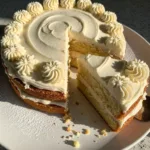
A decadent yet surprisingly approachable vanilla bean cake, elevated with simple touches, perfect as a versatile foundation for countless 40th Birthday Cake Ideas. It boasts an incredibly moist crumb, a rich vanilla flavor, and a texture that holds up beautifully to various fillings and frostings. It's forgiving and bakes up consistently every time, allowing for endless customization.
- Prep Time: 30 mins
- Cook Time: 30 mins
- Total Time: 60 mins
- Yield: 16 servings 1x
- Category: Dessert
- Method: Baking
- Cuisine: American
- Diet: Standard
Ingredients
3 cups All-purpose flour
2 cups Granulated sugar
1 tablespoon Baking powder
1 teaspoon Salt
1 cup Unsalted butter, softened
4 Large eggs, at room temperature
1 cup Whole milk, at room temperature
2 teaspoons Pure vanilla extract
1 teaspoon Vanilla bean paste (or seeds from 1 vanilla bean)
1 ½ cups Unsalted butter, softened (for Classic Vanilla Buttercream)
5 cups Powdered sugar, sifted (for Classic Vanilla Buttercream)
½ cup Heavy cream or whole milk (for Classic Vanilla Buttercream)
2 teaspoons Pure vanilla extract (for Classic Vanilla Buttercream)
½ teaspoon Salt (for Classic Vanilla Buttercream)
Instructions
- Prepare Your Pans: Preheat your oven to 350°F (175°C). Grease and flour three 8-inch round cake pans, or two 9-inch round pans. You can also line the bottoms with parchment paper for easy removal
- Combine Dry Ingredients: In a large bowl, whisk together the sifted flour, granulated sugar, baking powder, and salt. Make sure these are thoroughly combined
- Cream Butter and Eggs: In a separate, larger bowl (or the bowl of a stand mixer fitted with the paddle attachment), beat the softened butter on medium speed until creamy, about 2 minutes. Add the eggs one at a time, beating well after each addition. Scrape down the sides of the bowl as needed. The mixture should become light and fluffy
- Add Wet Ingredients: In a small bowl or measuring cup, whisk together the room temperature whole milk, pure vanilla extract, and vanilla bean paste (if using)
- Alternate Dry and Wet: With the mixer on low speed, gradually add the dry ingredients to the butter mixture in three additions, alternating with the milk mixture in two additions, beginning and ending with the dry ingredients. Mix until just combined after each addition; do not overmix
- Divide and Bake: Divide the batter evenly among your prepared cake pans. Smooth the tops with a spatula
- Bake: Bake for 25-30 minutes for 8-inch pans, or 30-35 minutes for 9-inch pans, or until a wooden skewer inserted into the center comes out clea
- Cool: Let the cakes cool in their pans on a wire rack for 10-15 minutes before inverting them onto the wire rack to cool completely
- Make the Buttercream: While the cakes cool, prepare the buttercream. In a large bowl or stand mixer, beat the softened butter on medium speed until very creamy, about 3-4 minutes. Gradually add the sifted powdered sugar, a cup at a time, beating well after each addition. Add the heavy cream (or milk), vanilla extract, and pinch of salt. Beat on medium-high speed for another 3-5 minutes until light, fluffy, and smooth
- Assemble the Cake: Once the cakes are completely cool, level the tops with a serrated knife if necessary. Place one cake layer on your serving plate or cake stand. Spread a generous layer of buttercream evenly over the top. Repeat with the remaining cake layers. Finish by frosting the top and sides of the entire cake. Use a clean offset spatula or bench scraper to smooth the frosting
Notes
Room Temperature Ingredients: Always ensure your butter, eggs, and milk are at room temperature. This allows them to emulsify properly, creating a smooth, homogenous batter that bakes evenly and yields a tender, moist cake.
Don't Overmix: Mix wet and dry ingredients only until just combined. Overmixing develops gluten in the flour, which leads to a tough, dry cake.
Measure Accurately: Use a kitchen scale for flour if possible (3 cups all-purpose flour equals roughly 360g). If using measuring cups, spoon the flour into the cup and level it off.
Prepare Pans Properly: Grease and flour your pans thoroughly, or use parchment paper circles on the bottom. This prevents sticking and ensures your beautiful cakes come out intact.
Leveling Cakes: For perfectly even layers, use a long, serrated knife to gently trim the domed tops off your cooled cake layers. This creates a flat surface for stacking and a professional look.
Crumb Coat: For a smooth, professional finish, apply a thin 'crumb coat' of buttercream all over the assembled cake. Chill the cake in the refrigerator for 15-20 minutes until firm, then apply your final, thicker layer of frosting.
Chill Before Decorating: Once frosted, a slightly chilled cake is easier to decorate. Buttercream firms up, making it simpler to add details, piping, or additional toppers.
Quality Vanilla: Invest in good quality pure vanilla extract or, even better, vanilla bean paste or a whole vanilla bean. The difference in flavor is noticeable and makes the cake truly special.
Storage (Room Temperature): If your cake is frosted with a classic buttercream and does not contain fresh fruit fillings or cream cheese, you can store it loosely covered at room temperature for up to 2-3 days.
Storage (Refrigerator): For cakes with cream cheese frosting, fresh fruit fillings, or to extend shelf life, store in an airtight cake carrier or under a dome in the refrigerator for up to 5-7 days. Bring slices to room temperature for about 30 minutes before serving.
Freezing Unfrosted Layers: Wrap individual cooled cake layers tightly in plastic wrap, then in aluminum foil. Freeze for up to 2 months. Thaw in the refrigerator overnight before frosting.
Freezing Frosted Cake: For a whole frosted cake, place it in the freezer uncovered for about 30 minutes until the frosting is firm. Then, wrap it tightly in several layers of plastic wrap, followed by aluminum foil. Freeze for up to 1 month. Thaw in the refrigerator overnight.
Freezing Individual Slices: Cut slices, place them on a parchment-lined baking sheet, and freeze until firm. Wrap each slice individually in plastic wrap, then foil, and store in a freezer-safe bag.
Reheating: Cake doesn't generally 'reheat.' Instead, bring it to room temperature. Frozen cake slices or a whole cake thaw beautifully in the refrigerator. For individual slices, let them sit on the counter for 15-30 minutes before enjoying.
Nutrition
- Serving Size: 1 slice
- Calories: 450 kcal
- Sugar: 45g
- Sodium: 220mg
- Fat: 22g
- Saturated Fat: 14g
- Unsaturated Fat: 8g
- Trans Fat: 0g
- Carbohydrates: 60g
- Fiber: 1g
- Protein: 5g
- Cholesterol: 90mg
Find it online: https://fabiloustaste.com/40th-birthday-cake-ideas/