Gluten Free Pizza


Friday nights in our household carry a special kind of magic. As the sun dips below the horizon, my three children gather around the large wooden island in our kitchen. They know the routine by heart.
Flour dusts the air like tiny snowflakes, and the warm, yeasty aroma of rising dough fills every corner of our home. For years, I searched for the perfect gluten free pizza that would satisfy everyone at the table. I believe food is love, and nothing says “I love you” like a nourishing, delicious meal that includes everyone.
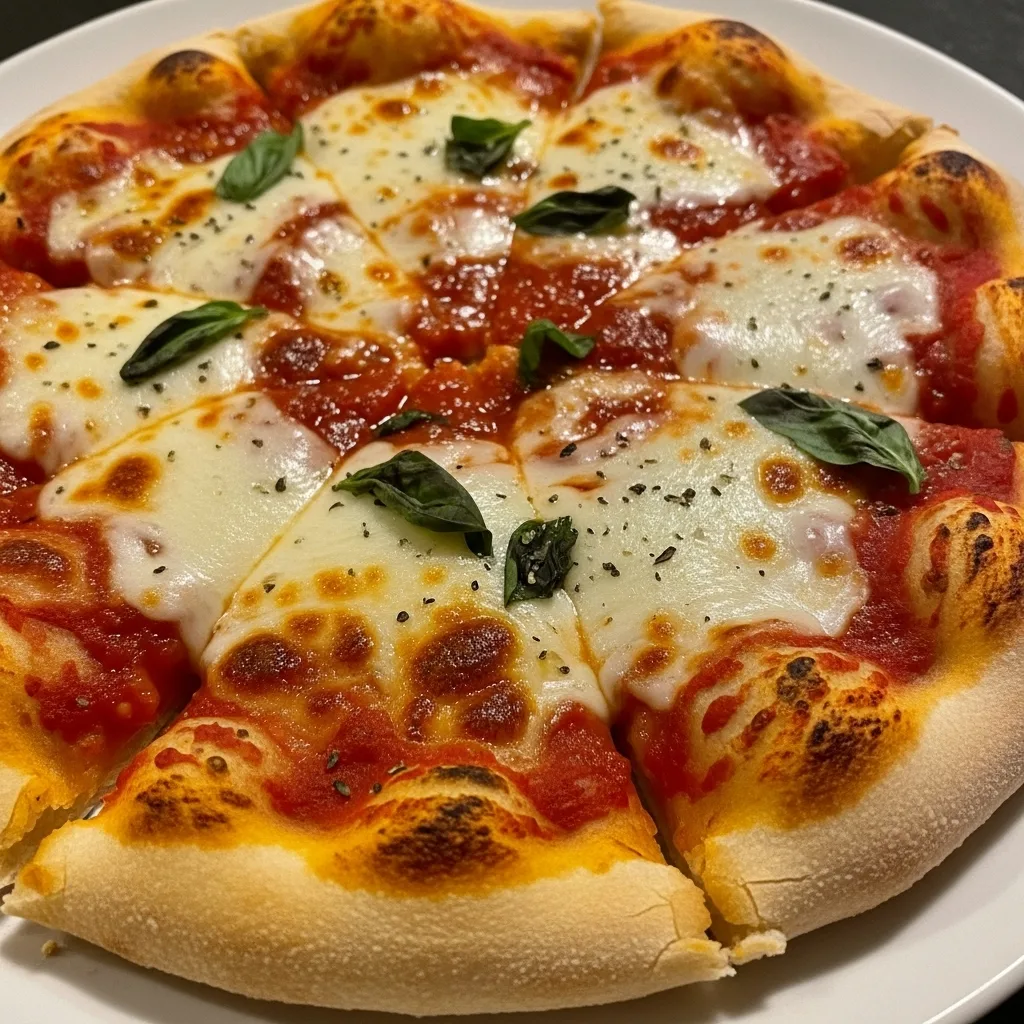
My middle daughter struggled with gluten sensitivity early on, and I refused to let her miss out on our family traditions. After countless experiments and a few kitchen disasters, I finally perfected this gluten free pizza. It offers a crispy exterior, a chewy center, and the structural integrity to hold all your favorite toppings.
This recipe transformed our Friday nights from a stressful search for alternatives into a celebration of flavor. You no longer need to settle for frozen, cardboard-like options. This gluten free pizza brings back the joy of a fresh, hot slice that tastes exactly like the traditional version you remember.
Why You’ll Love This Gluten Free Pizza Recipe
You will absolutely adore this gluten free pizza for its incredible texture and simple preparation. Most people assume that making a homemade gluten free pizza requires professional chef skills, but that is simply not true. This recipe uses basic pantry staples that you likely already have in your kitchen.
Furthermore, the dough behaves beautifully, allowing you to stretch and shape it without frustration. Your kids will love the taste, and you will love the wholesome ingredients. We prioritize nourishment in this house, so I designed this gluten free pizza to feel light yet satisfying.
Additionally, this recipe saves you a significant amount of money compared to expensive restaurant alternatives. You gain full control over the quality of your flour, oil, and cheese. This best gluten free pizza also works perfectly for meal prep.
You can par-bake the crusts and freeze them for busy weeknights when you need a quick dinner solution. Truly, this recipe bridges the gap between dietary needs and culinary indulgence.
Ingredients You’ll Need
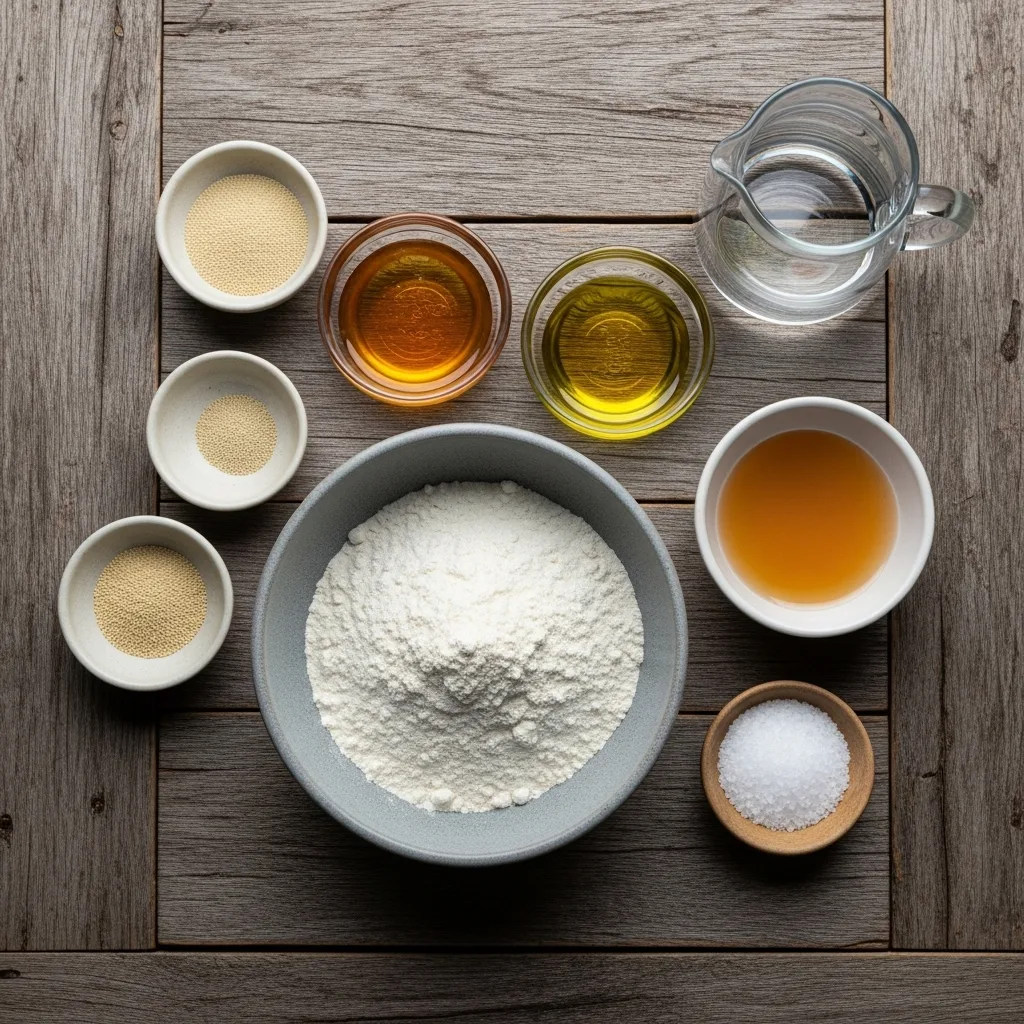
To create the ultimate gluten free pizza, you need high-quality ingredients. I always recommend using a 1-to-1 gluten-free flour blend that already contains xanthan gum. This ingredient acts as the glue that replaces gluten, providing that essential chewiness.
Fresh yeast is also vital for a proper rise. Ensure your water sits at the perfect temperature to activate the yeast without killing it. I use honey as a natural sweetener to feed the yeast and add a subtle depth of flavor.
High-quality olive oil ensures a crisp bottom and a rich mouthfeel. Do not skip the salt, as it enhances all the other flavors in your gluten free pizza crust.
| Ingredient | Quantity | Purpose |
|---|---|---|
| Gluten-Free All-Purpose Flour (with xanthan gum) | 3 Cups | Provides the structure and base. |
| Warm Water (105-110°F) | 1.5 Cups | Activates the yeast. |
| Instant Yeast | 1 Tablespoon | Helps the dough rise. |
| Honey or Maple Syrup | 1 Tablespoon | Feeds the yeast and adds flavor. |
| Extra Virgin Olive Oil | 3 Tablespoons | Creates a crisp, golden crust. |
| Sea Salt | 1 Teaspoon | Enhances the overall taste. |
| Apple Cider Vinegar | 1 Teaspoon | Improves the dough’s texture and rise. |
| Garlic Powder | 0.5 Teaspoon | Adds a savory aromatic note. |
Substitutions & Variations
I understand that every family has unique needs, and this gluten free pizza is incredibly versatile. If you follow a vegan diet, simply swap the honey for maple syrup or organic cane sugar. You can also use a dairy-free cheese alternative for the topping.
Many of my friends prefer a grain-free option; however, this specific recipe works best with rice-based blends. For a Mediterranean twist, add dried oregano and basil directly into the dough. If you enjoy a bit of spice, mix red pepper flakes into your gluten free pizza sauce.
You can even use this dough to make cheesy breadsticks or cinnamon sugar twists. For those who want more fiber, try replacing half a cup of the flour blend with almond flour. This adjustment adds a nutty flavor and increases the protein content of your homemade gluten free pizza. Always remember to check your labels to ensure every substitution remains strictly gluten-free.
While these Mediterranean toppings add great flavor, I often look for other nutrient-dense grains to round out our weekly menu. For another healthy and satisfying meal that is easy to customize, try this Gluten Free Quinoa Bowl.
Step-by-Step Instructions
Making your own gluten free pizza feels empowering and rewarding. Follow these steps carefully to ensure the best results every single time. First, prepare your workspace and gather all your tools.
You will need a large mixing bowl, a sturdy spoon or stand mixer, and a baking stone or sheet pan. Preheating your oven early is a crucial step for a crispy result.
Note: This video is for demonstration purposes and may use a slightly different method.
Begin by combining the warm water, honey, and yeast in your mixing bowl. Let the mixture sit for about five to ten minutes. You should see a foamy layer form on the surface, which indicates the yeast is alive and active.
Next, add the olive oil and apple cider vinegar to the yeast mixture. Whisk these wet ingredients together gently. In a separate bowl, whisk your gluten-free flour, salt, and garlic powder.
Slowly incorporate the dry ingredients into the wet ingredients. If you use a stand mixer, use the paddle attachment on medium speed. The dough for gluten free pizza often looks more like a thick cake batter than traditional wheat dough.
Do not panic! This moisture is necessary for a soft interior.
Once the dough is smooth, cover the bowl with a warm, damp cloth. Place it in a draft-free spot and let it rise for about 30 to 45 minutes. While the dough rises, preheat your oven to 450°F (230°C).
If you have a pizza stone, place it inside the oven during the preheating phase. This high heat is the secret to a professional-grade gluten free pizza. After the rise, divide the dough into two equal portions.
Place a piece of parchment paper on your counter and lightly oil your hands. Press the dough outward from the center to form a circle. Aim for a thickness of about a quarter-inch.
Carefully transfer the parchment paper with the dough onto your hot baking stone or pan. Bake the crust alone for 8 to 10 minutes. This pre-baking step prevents the sauce from making the gluten free pizza crust soggy. Remove the crust, add your favorite sauce and toppings, and bake for another 10 to 12 minutes until the cheese bubbles and the edges turn golden brown.
Pro Tips for Success
Experience is a great teacher, and I have learned several tricks to make the best gluten free pizza possible. First, always weigh your flour if you have a kitchen scale. Gluten-free flours vary in density, and precise measurements ensure consistency.
Second, use warm water specifically between 105°F and 110°F. If the water is too cold, the yeast stays dormant; if it is too hot, the yeast dies. Third, do not skip the apple cider vinegar.
The acidity helps the yeast work more effectively in a gluten-free environment. Fourth, oil your hands generously when handling the dough. Since gluten free pizza dough is sticky, the oil prevents it from clinging to your fingers.
Fifth, use a pizza stone if possible. The stone absorbs moisture from the bottom of the crust, resulting in a much crunchier finish. Finally, let the pizza rest for five minutes after removing it from the oven. This allows the structure to set so the slices hold their shape when you cut them.
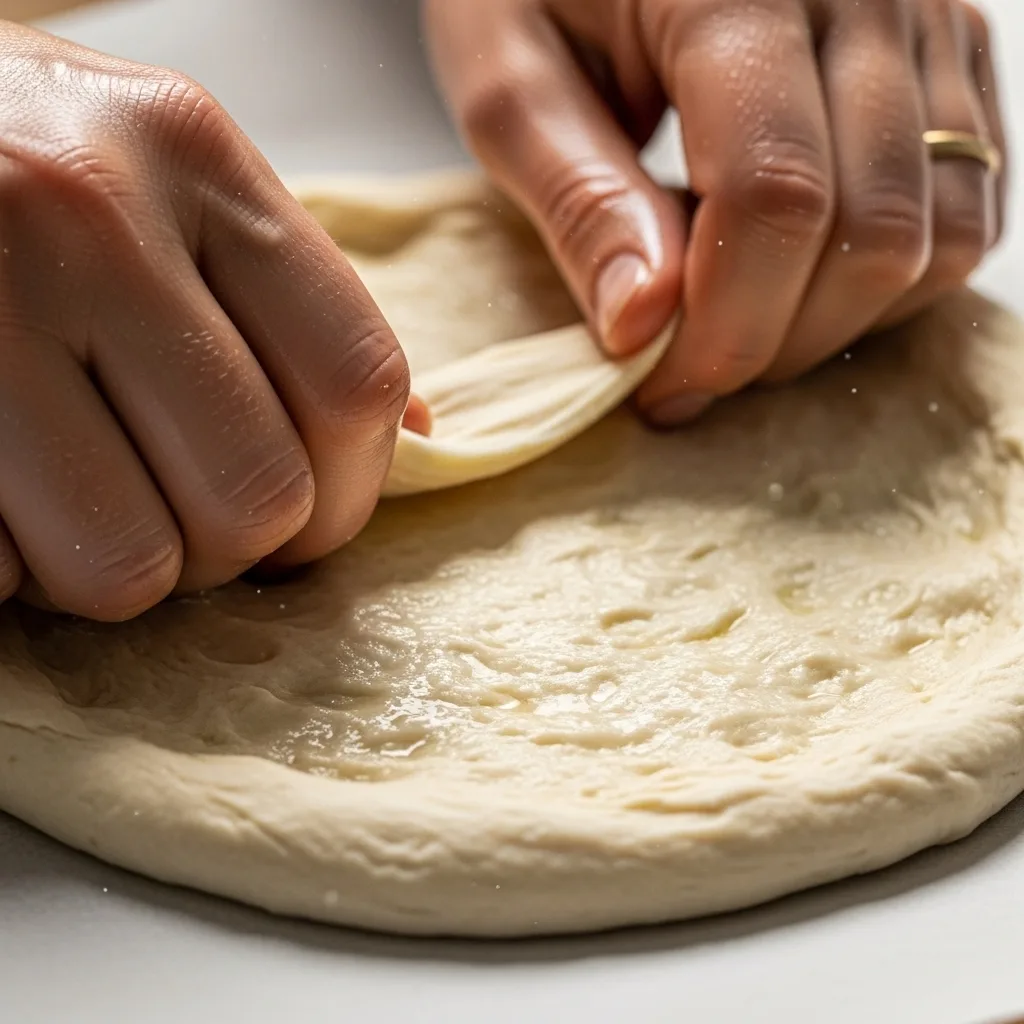
Mastering the moisture content in your dough is the secret to achieving that perfect elasticity every time. For another versatile dough option that requires similar precision, you will love making these soft and pliable Gluten Free Wraps.
Storage & Reheating Tips
If you happen to have leftovers, you can easily store and enjoy your gluten free pizza the next day. Place the cooled slices in an airtight container or a zip-top bag. Store them in the refrigerator for up to four days.
For longer storage, wrap individual slices in plastic wrap and place them in a freezer-safe bag. They will stay fresh in the freezer for up to two months. When you are ready to eat, avoid the microwave if you want to maintain the crust’s texture.
Instead, reheat your gluten free pizza in a skillet over medium heat. Cover the pan with a lid for a minute to melt the cheese, then remove the lid to crisp up the bottom. Alternatively, use a toaster oven or a standard oven at 375°F for about five to seven minutes. These methods restore the “just-baked” quality of your homemade gluten free pizza.
What to Serve With This Recipe
I love creating a full experience around our gluten free pizza night. A fresh, crisp salad provides a wonderful contrast to the warm, cheesy pizza. I often toss together a simple Caesar salad with gluten-free croutons and a lemon-tahini dressing.
Roasted vegetables, such as broccoli or asparagus with garlic, also make excellent side dishes. If you want to lean into the Italian theme, serve a plate of marinated olives and artichoke hearts. For a heartier meal, offer some gluten-free chicken wings or a bowl of vegetable minestrone soup.
My kids always ask for “Emilia’s Garlic Bread,” which I make using extra gluten free pizza dough topped with butter, garlic, and parsley. To finish the meal, a light fruit salad or a dish of lemon sorbet cleanses the palate perfectly. These additions transform a simple pizza night into a nourishing feast for the whole family.
Expanding your menu with various textures makes a gluten-free lifestyle feel abundant rather than restrictive. Another crowd-pleasing side dish that complements Italian flavors is this colorful and zesty Gluten Free Pasta Salad.
FAQs
Can I use a different type of flour for this gluten free pizza?
You must use a high-quality 1-to-1 gluten-free baking blend for this recipe. These blends contain a mix of rice flour, starches, and xanthan gum. Single flours like coconut flour or almond flour will not work as a direct replacement. They absorb moisture differently and lack the necessary structure for a gluten free pizza crust.
Do I really need to pre-bake the crust?
Yes, pre-baking is essential. Gluten-free dough contains more moisture than traditional dough. Pre-baking seals the surface and creates a sturdy foundation. If you add toppings to raw dough, the center of your gluten free pizza will likely remain gummy and undercooked.
How can I make the crust crispier?
For an extra crispy gluten free pizza, try brushing the edges of the dough with olive oil before the first bake. You can also sprinkle a little cornmeal or coarse rice flour on the parchment paper before pressing out the dough. High heat is also your friend, so ensure your oven is fully preheated.
Can I make this dough ahead of time?
Absolutely! You can prepare the dough and let it rise in the refrigerator overnight. The cold fermentation process actually develops a deeper flavor. Just make sure to bring the dough to room temperature for about 30 minutes before you shape it into your homemade gluten free pizza.
Why did my dough fail to rise?
Common culprits include expired yeast or water that was too hot. Always check the expiration date on your yeast packet. Furthermore, ensure your honey or sugar is fresh, as the yeast needs this fuel to produce the gases that create a rise in your gluten free pizza.
Achieving a crispy yet chewy texture in a wheat-free crust often involves using alternative starches like tapioca or rice flour to mimic traditional dough. This innovation has become a staple in modern Italian cuisine as more families seek dietary alternatives without sacrificing authentic taste.
Nutrition Information (per serving)
This information serves as an estimate based on one slice of a standard 12-inch pizza (cut into 8 slices) using basic cheese and tomato sauce toppings. Your specific nutritional values may vary depending on the brands you choose and the quantity of toppings you add to your gluten free pizza.
| Nutrient | Amount per Serving |
|---|---|
| Calories | 245 kcal |
| Total Fat | 9g |
| Saturated Fat | 4g |
| Cholesterol | 15mg |
| Sodium | 420mg |
| Total Carbohydrates | 34g |
| Dietary Fiber | 3g |
| Sugars | 2g |
| Protein | 7g |
I hope this recipe brings as much joy to your kitchen as it has to mine. Feeding your family well is a beautiful act of service. When you pull this gluten free pizza out of the oven, you are serving more than just food; you are serving love, comfort, and inclusion. Enjoy every bite!
Print
gluten free pizza
A family-favorite gluten-free pizza recipe featuring a crispy exterior and chewy center, designed to provide a wholesome alternative to frozen options that tastes like traditional dough.
- Total Time: 80 mins
- Yield: 2 pizza crusts 1x
Ingredients
3 Cups Gluten-Free All-Purpose Flour (with xanthan gum)
1.5 Cups Warm Water (105-110°F)
1 Tablespoon Instant Yeast
1 Tablespoon Honey or Maple Syrup
3 Tablespoons Extra Virgin Olive Oil
1 Teaspoon Sea Salt
1 Teaspoon Apple Cider Vinegar
0.5 Teaspoon Garlic Powder
Instructions
- Combine the warm water, honey, and yeast in a mixing bowl and let it sit for 5 to 10 minutes until a foamy layer forms
- Whisk the olive oil and apple cider vinegar into the activated yeast mixture
- In a separate bowl, whisk together the gluten-free flour, salt, and garlic powder
- Slowly incorporate the dry ingredients into the wet ingredients using a sturdy spoon or a stand mixer with a paddle attachment until the dough is smooth
- Cover the bowl with a warm, damp cloth and let the dough rise in a draft-free spot for 30 to 45 minutes
- Preheat your oven to 450°F (230°C). If using a pizza stone, place it in the oven while it preheats
- Divide the risen dough into two equal portions
- Place the dough on parchment paper and use oiled hands to press it outward from the center into a circle about a quarter-inch thick
- Transfer the parchment and dough to the hot baking stone or pan and pre-bake the crust alone for 8 to 10 minutes
- Remove the crust, add your desired sauce and toppings, and bake for an additional 10 to 12 minutes until the edges are golden and cheese is bubbling
- Let the pizza rest for 5 minutes before slicing to allow the structure to set
Notes
Always weigh your flour with a kitchen scale for the most consistent results.
The apple cider vinegar is critical as the acidity helps the yeast work better in gluten-free dough.
To store leftovers, keep in an airtight container in the fridge for up to 4 days or freeze for up to 2 months.
Reheat in a skillet or oven at 375°F to maintain the crispy texture; avoid the microwave.
If the dough is too sticky, ensure your hands are generously oiled during the shaping process.
- Prep Time: 60 mins
- Cook Time: 20 mins
- Category: Dinner
- Method: Baking
- Cuisine: American
- Diet: Gluten Free
Nutrition
- Serving Size: 1 slice
- Calories: 245 kcal
- Sugar: 2g
- Sodium: 420mg
- Fat: 9g
- Saturated Fat: 4g
- Unsaturated Fat: 5g
- Trans Fat: 0g
- Carbohydrates: 34g
- Fiber: 3g
- Protein: 7g
- Cholesterol: 15mg