Gluten free pizza

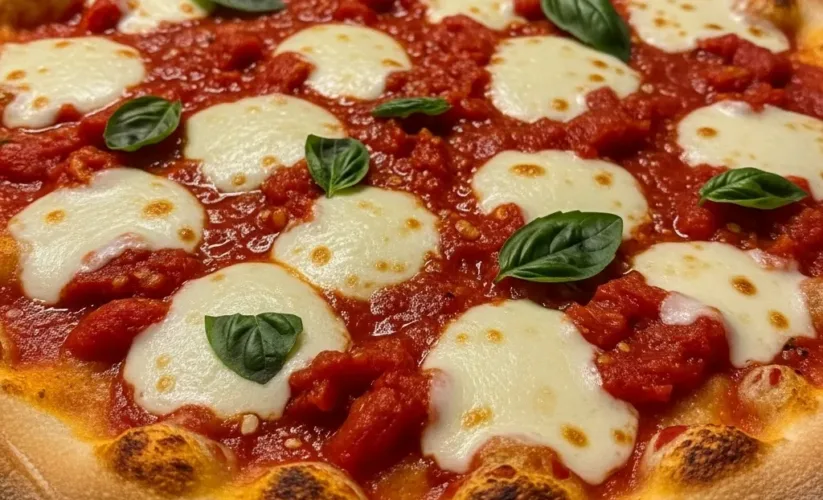
That unforgettable Friday evening, my middle child, Leo, came home from school with a look of pure devastation. “Mom,” he mumbled, “they had a pizza party, and I couldn’t eat anything.” My heart sank. Diagnosed with celiac disease last year, he often felt left out of simple joys.
Right then, I vowed to reclaim pizza night for our family. This wasn’t just about avoiding gluten; it was about creating a meal that truly tasted like *pizza*, full of the love and warmth we always shared around the dinner table. After many experiments, many sticky kitchen adventures, and a few minor disasters, I finally perfected my recipe for the most incredible, simple, and truly satisfying gluten free pizza.
This gluten free pizza isn’t just “good for gluten-free”; it’s just plain *good*. Every time we make this gluten free pizza now, Leo’s eyes light up, and that, for me, is everything.
Why You’ll Love This Easy Gluten Free Pizza Recipe
As a mom, I know dinner time can be a whirlwind. You want to serve something nourishing, delicious, and something everyone will actually eat! This easy gluten free pizza recipe checks every single box.
First off, it’s unbelievably simple. Forget complicated doughs or fussy techniques; we are all about making life easier in the kitchen. Second, the flavor profile is outstanding.
This isn’t cardboard crust; it’s a crispy-chewy base that holds up to all your favorite toppings, proving that gluten free pizza can truly be a culinary delight. Third, it brings everyone together. Making and eating pizza is an experience, a moment to connect.
When you bake this gluten free pizza, you are not just making food; you are making memories. Furthermore, it’s incredibly versatile. You can customize this gluten free pizza to suit any palate, making it a guaranteed family favorite. This recipe will quickly become a cherished staple in your home, just like it has in ours.
Ingredients You’ll Need
Making a delicious gluten free pizza starts with quality ingredients, but don’t worry, they are all readily available! The key to a fantastic gluten free pizza crust lies in a good gluten-free flour blend. I prefer a blend that already contains xanthan gum, as it helps with elasticity and texture.
Fresh mozzarella is always a winner, melting beautifully and adding that classic pizza stretch. For a vibrant sauce, I lean on crushed San Marzano tomatoes, seasoned simply.
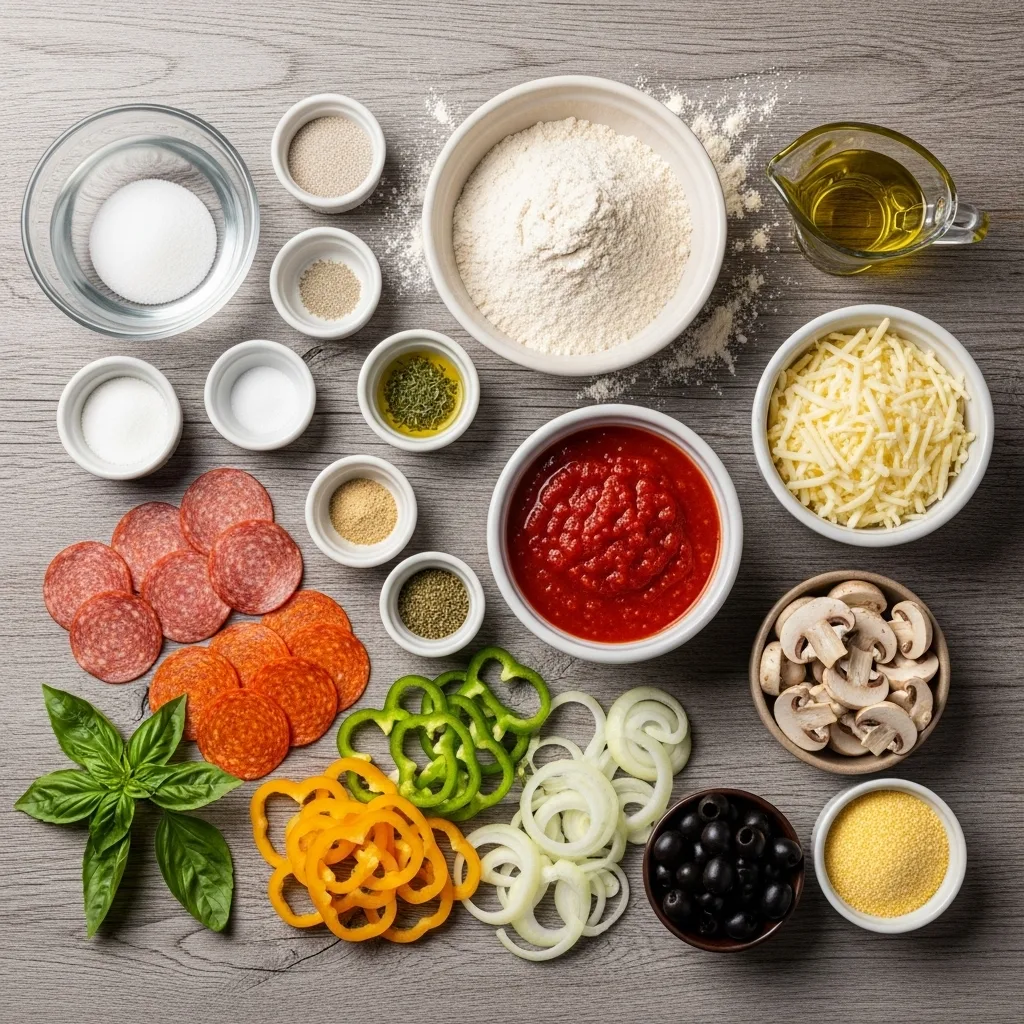
| Ingredient | Quantity |
|---|---|
| Warm Water (105-115°F) | 1 cup |
| Granulated Sugar | 1 tsp |
| Active Dry Yeast | 2 tsp |
| Gluten-Free All-Purpose Flour Blend (with xanthan gum) | 2 cups (280g) |
| Salt | 1 tsp |
| Olive Oil | 2 tbsp, plus more for brushing |
For the Toppings:
* 1/2 cup good quality pizza sauce (my simple crushed San Marzano tomatoes, seasoned with garlic powder, oregano, and basil)
* 1 cup shredded low-moisture mozzarella cheese
* Your favorite toppings: pepperoni, mushrooms, bell peppers, onions, olives, fresh basil
* Cornmeal or gluten-free flour, for dusting
This combination ensures a robust, flavorful base for your gluten free pizza, allowing all those wonderful toppings to shine. A great gluten free pizza needs a solid foundation, and these ingredients provide just that.
Substitutions & Variations
This gluten free pizza recipe is wonderfully adaptable. Feel free to get creative and tailor it to your family’s preferences or what you have on hand. For the flour, if your gluten-free blend doesn’t contain xanthan gum, add 1/2 teaspoon separately to the dry ingredients.
You can experiment with different gluten-free flour blends, but ensure they are intended for bread-making or all-purpose use for the best results in your gluten free pizza. Need a dairy-free option? Substitute regular mozzarella with your favorite plant-based mozzarella shreds. Many fantastic brands exist that melt beautifully on a gluten free pizza.
For the sauce, marinara or even a pesto base works wonderfully. Craving a white pizza? Skip the red sauce and use a blend of ricotta, garlic, and olive oil instead.
Topping variations are endless! Try a Mediterranean gluten free pizza with feta, olives, and sun-dried tomatoes. A veggie-loaded gluten free pizza could include spinach, mushrooms, and roasted red peppers.
Or, for the meat lovers, load it up with sausage and bacon. If you want a bit of heat on your gluten free pizza, sprinkle on some red pepper flakes. Don’t be afraid to try different cheeses too—provolone, Parmesan, or even a smoked gouda can elevate your gluten free pizza experience. Remember, the best gluten free pizza is the one you make your own!
Just like your pizza, many other classic comfort foods can be made gluten-free with a few smart substitutions. If you’re looking for another family-friendly meal that satisfies those crispy cravings, consider trying our recipe for Gluten Free Fried Chicken.
Step-by-Step Instructions
Crafting this delicious gluten free pizza is a straightforward process, perfect for a weeknight meal. Follow these simple steps for a perfect gluten free pizza every time.
Note: This video is for demonstration purposes and may use a slightly different method.
1. Activate the Yeast: First, combine the warm water, sugar, and yeast in a large mixing bowl. Give it a gentle stir.
Let this sit for about 5-10 minutes until it becomes frothy. This bubbling indicates your yeast is active and ready to work its magic on your gluten free pizza dough.
2.
Mix the Dough: Next, add the gluten-free flour blend, salt, and olive oil to the yeast mixture. Using a sturdy spoon or a stand mixer with a paddle attachment, mix everything until a soft, sticky dough forms. Don’t expect a traditional elastic dough; gluten-free dough will always be a bit stickier and softer.
This is perfectly normal for gluten free pizza dough.
3. First Rise: Cover the bowl with plastic wrap or a clean kitchen towel.
Let the dough rise in a warm place for 45-60 minutes, or until it has noticeably increased in size. This rise helps develop flavor and texture for your gluten free pizza.
4.
Preheat Oven & Prep Pan: While the dough rises, preheat your oven to 425°F (220°C). Lightly grease a 12-14 inch round pizza pan or baking sheet. Dust it generously with cornmeal or gluten-free flour.
This prevents sticking and helps create a crispy bottom on your gluten free pizza.
5. Shape the Dough: Now, gently transfer the risen gluten free pizza dough onto the prepared pan.
With lightly oiled hands or a spatula, carefully press and spread the dough evenly across the pan, forming a circle. Be patient; gluten-free dough can be a little less cooperative than its gluten-containing counterpart. Try to make the edges slightly thicker for a nice crust.
6. Par-bake (Optional but Recommended): For an extra crispy crust, you can par-bake the gluten free pizza dough for 5-7 minutes before adding toppings. This step helps set the crust and prevents sogginess.
7. Add Toppings: Remove the par-baked crust (if applicable) from the oven. Spread your desired amount of pizza sauce evenly over the dough, leaving a small border for the crust.
Sprinkle with mozzarella cheese, then arrange your favorite toppings. Get creative with your gluten free pizza!
8.
Bake: Finally, place the loaded gluten free pizza back into the preheated oven. Bake for 15-20 minutes, or until the crust is golden brown and the cheese is bubbly and lightly browned. Baking times can vary, so keep an eye on your gluten free pizza.
9. Serve: Let the pizza cool for a few minutes before slicing and serving. This allows the cheese to set slightly and makes for cleaner cuts. Enjoy your homemade gluten free pizza!
Pro Tips for Success
Achieving a truly spectacular gluten free pizza doesn’t require magic, just a few insider tips! First, always use warm water, not hot, when activating your yeast. Water that is too hot will kill the yeast, and your gluten free pizza dough won’t rise.
Conversely, cold water will slow it down too much. Aim for bathwater temperature. Second, for the best crust texture, don’t skip the cornmeal or gluten-free flour dusting on your pan. This creates a barrier that helps the gluten free pizza crust crisp up beautifully, preventing any stickiness.
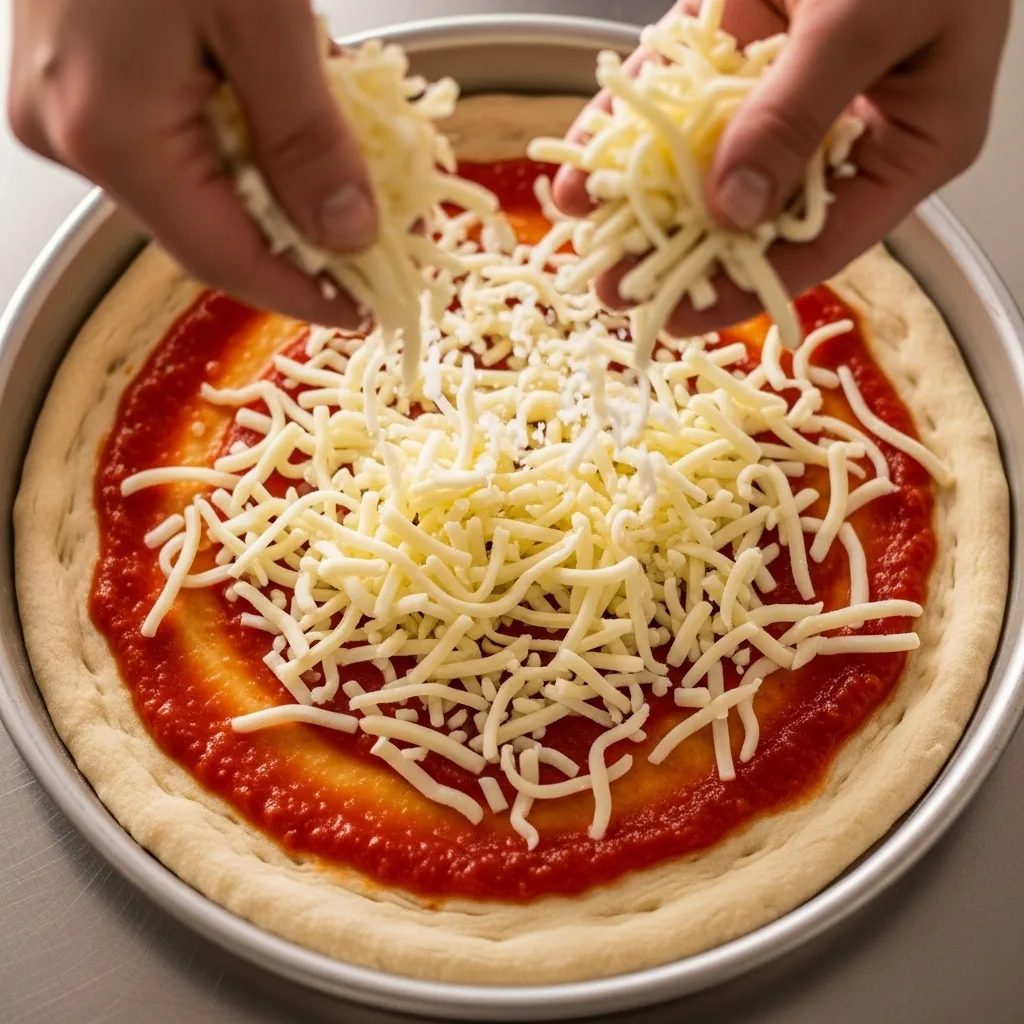
Third, pre-baking your crust, even for just 5-7 minutes, makes a significant difference. This crucial step helps evaporate excess moisture, resulting in a sturdier, crispier gluten free pizza crust that can handle all your delicious toppings without becoming soggy. Fourth, avoid overloading your gluten free pizza with too many wet toppings.
Too much sauce or watery vegetables can make the crust soggy, even with par-baking. If you use high-moisture vegetables like mushrooms, consider sautéing them briefly beforehand to remove some water. Finally, use a pizza stone or a preheated baking steel if you have one.
These tools retain heat exceptionally well, giving your gluten free pizza a much more evenly cooked and crispier bottom. Just place it in the oven while preheating, then slide your pizza directly onto it. These simple tips will elevate your homemade gluten free pizza from good to absolutely amazing!
Mastering gluten-free dough, whether for pizza or pasta, often comes down to these crucial details that ensure perfect texture. Once you’ve perfected your pizza base, you might be ready to tackle another beloved Italian dish with similar gluten-free considerations, such as our comforting Gluten Free Lasagna.
Storage & Reheating Tips
Leftover gluten free pizza is a delicious treat, and with proper storage, you can enjoy it again without sacrificing much quality. First, allow any leftover gluten free pizza to cool completely at room temperature. Storing warm pizza can lead to condensation, making the crust soggy.
Once cool, transfer the slices to an airtight container or wrap them tightly in aluminum foil or plastic wrap. This prevents air exposure, which can dry out the crust and diminish flavor. Store your gluten free pizza in the refrigerator for up to 3-4 days.
When it comes to reheating, avoid the microwave if possible, as it often results in a chewy, rubbery crust. For best results, use a conventional oven or a toaster oven. Place slices of gluten free pizza directly on a baking sheet or foil.
Reheat in a preheated oven at 350°F (175°C) for about 8-12 minutes, or until the cheese is melted and bubbly and the crust is crisp again. For an even crispier bottom, you can reheat slices in a lightly oiled non-stick skillet over medium heat, covered, for a few minutes until the bottom is crispy and the cheese has melted. This method works wonderfully for achieving that freshly baked texture for your gluten free pizza.
What to Serve With This Recipe
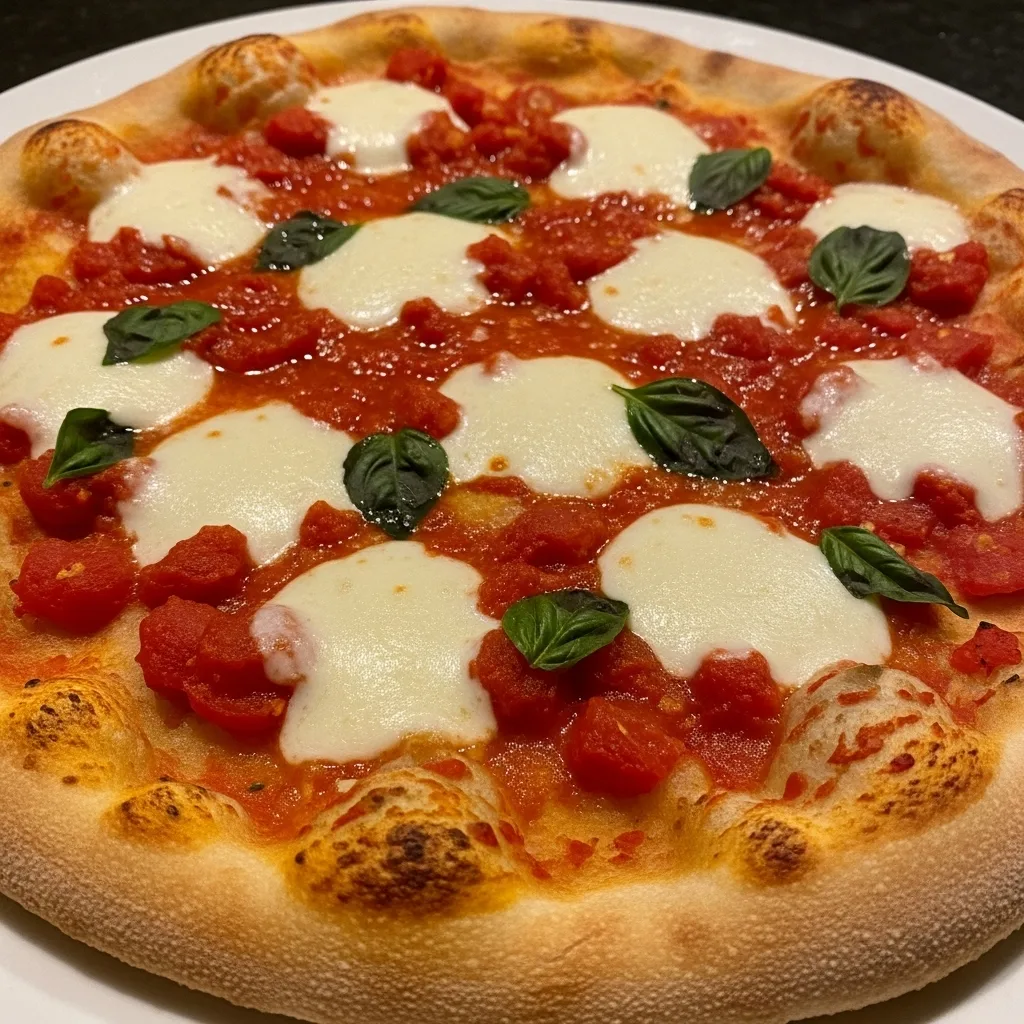
A fantastic gluten free pizza deserves equally delightful accompaniments. Keeping with my “simple, nourishing food is love” philosophy, I often pair our pizza nights with fresh, vibrant side dishes that complement without overpowering the star of the show. A simple green salad is always a winner.
Toss mixed greens with a light vinaigrette – perhaps a lemon-herb dressing – to add a refreshing counterpoint to the rich flavors of your gluten free pizza. This adds a lovely crunch and a boost of nutrients.
Another excellent choice is roasted vegetables. Asparagus, broccoli, or bell peppers roasted with a little olive oil, salt, and pepper bring out their natural sweetness and offer a tender, flavorful side. These are easy to prepare while your gluten free pizza bakes.
For something a little heartier, a simple Caprese salad with fresh mozzarella, ripe tomatoes, and basil, drizzled with balsamic glaze, provides a beautiful, fresh complement. Sometimes, we’ll even make a big bowl of fruit salad.
The sweetness and tang of fresh berries, melon, and grapes provide a lovely palate cleanser after a savory slice of gluten free pizza. Remember, the goal is to enhance the meal, not complicate it, ensuring every bite of your gluten free pizza experience is pure joy.
While a fresh salad perfectly complements your pizza, sometimes you want another hearty, gluten-free option to complete your meal spread. For a delicious and versatile protein that pairs wonderfully with Italian-inspired dishes, you’ll love preparing our flavorful Gluten Free Meatballs.
FAQs
Is gluten-free pizza truly healthy?
The healthfulness of gluten free pizza largely depends on its ingredients and toppings. While the crust is gluten-free, some commercial gluten-free flour blends can be high in starches and low in fiber. This homemade gluten free pizza recipe focuses on balanced ingredients.
Load your gluten free pizza with vegetables and lean proteins to boost its nutritional value. Opting for homemade helps you control sodium and fat content.
Can I make gluten-free pizza dough ahead of time?
Absolutely! You can prepare this gluten free pizza dough ahead of time. After the first rise, punch down the dough gently, cover it tightly, and refrigerate it for up to 2 days.
When you are ready to bake your gluten free pizza, allow the dough to come to room temperature for about 30-60 minutes before proceeding with shaping and baking. This makes weeknight gluten free pizza night even easier.
What’s the best gluten-free flour blend for pizza?
I highly recommend using an all-purpose gluten-free flour blend that specifically mentions “with xanthan gum” on the packaging, or one designed for baking. Brands like Bob’s Red Mill 1-to-1 Baking Flour or King Arthur Gluten-Free Measure for Measure Flour work exceptionally well for this gluten free pizza recipe. These blends typically provide the best texture and structure for gluten-free pizza crusts.
How do I prevent my gluten-free pizza crust from becoming soggy?
Preventing a soggy gluten free pizza crust involves a few key steps. First, par-bake the crust for 5-7 minutes before adding toppings. Second, avoid overloading your gluten free pizza with too many wet ingredients.
If using high-moisture vegetables, pre-sauté them. Third, ensure your oven is fully preheated to a high temperature (425°F) and use a pizza stone or baking steel for maximum heat transfer to the bottom of your gluten free pizza.
Can I freeze cooked gluten-free pizza?
Yes, you can freeze cooked gluten free pizza! Once your pizza has cooled completely, wrap individual slices or the entire pizza tightly in plastic wrap, then an additional layer of aluminum foil. Label with the date.
It will keep well in the freezer for up to 1-2 months. Reheat frozen slices directly in a preheated oven at 375°F (190°C) for 15-25 minutes, or until heated through and crispy. Freezing gluten free pizza makes for quick meals.
Gluten-free pizza has emerged as a popular alternative for individuals managing celiac disease or gluten sensitivity, allowing them to enjoy this beloved dish without adverse effects. The evolution of gluten-free flours and baking techniques has significantly improved the taste and texture of these pizzas, making them a delicious option for everyone adhering to a gluten-free diet.
Nutrition Information (per serving)
*Note: This nutrition information is an estimate based on the ingredients listed and standard portion sizes for one slice (1/8 of a 12-inch pizza) with basic sauce and cheese toppings. Actual values may vary based on specific brands, exact measurements, and additional toppings.*
| Nutrient | Amount |
|---|---|
| Calories | 280 kcal |
| Total Fat | 10g |
| Saturated Fat | 5g |
| Cholesterol | 20mg |
| Sodium | 580mg |
| Total Carbohydrates | 35g |
| Dietary Fiber | 2g |
| Total Sugars | 4g |
| Protein | 12g |
gluten free pizza

A perfected recipe for a simple and satisfying gluten-free pizza, developed to reclaim family pizza night after a child's celiac diagnosis. This recipe focuses on creating a crispy-chewy base that truly tastes like traditional pizza, not just 'good for gluten-free', and is designed for ease and versatility for weeknight meals.
- Prep Time: 25 mins
- Cook Time: 25 mins
- Total Time: 1 hour 45 mins
- Yield: 1 (12-14 inch) pizza 1x
- Category: Dinner
- Method: Baking
- Cuisine: American
- Diet: Gluten Free
Ingredients
1 cup Warm Water (105-115°F)
1 tsp Granulated Sugar
2 tsp Active Dry Yeast
2 cups (280g) Gluten-Free All-Purpose Flour Blend (with xanthan gum)
1 tsp Salt
2 tbsp Olive Oil
1/2 cup Pizza Sauce (good quality or crushed San Marzano tomatoes, seasoned with garlic powder, oregano, and basil)
1 cup Shredded Low-Moisture Mozzarella Cheese
Your favorite toppings
Cornmeal or Gluten-Free Flour, for dusting
Olive Oil, for brushing
Instructions
- Combine the warm water, sugar, and yeast in a large mixing bowl. Stir gently and let sit for 5-10 minutes until frothy, indicating active yeast
- Add the gluten-free flour blend, salt, and 2 tbsp olive oil to the yeast mixture. Mix with a sturdy spoon or stand mixer until a soft, sticky dough forms
- Cover the bowl with plastic wrap or a clean towel and let the dough rise in a warm place for 45-60 minutes, or until noticeably increased in size
- While the dough rises, preheat your oven to 425°F (220°C). Lightly grease a 12-14 inch round pizza pan or baking sheet and dust generously with cornmeal or gluten-free flour
- Gently transfer the risen dough onto the prepared pan. With lightly oiled hands or a spatula, carefully press and spread the dough evenly into a circle, making the edges slightly thicker for a crust
- For an extra crispy crust, par-bake the dough for 5-7 minutes before adding toppings (optional but recommended)
- Remove the par-baked crust (if used) from the oven. Spread pizza sauce evenly over the dough, leaving a small border. Sprinkle with mozzarella cheese, then arrange your favorite toppings
- Place the loaded pizza back into the preheated oven. Bake for 15-20 minutes, or until the crust is golden brown and the cheese is bubbly and lightly browned
- Let the pizza cool for a few minutes before slicing and serving
Notes
Ensure warm water (105-115°F) for yeast activation; too hot kills yeast, too cold slows it. Aim for bathwater temperature.
Dusting the pan generously with cornmeal or gluten-free flour helps create a crispy bottom crust and prevents sticking.
Par-baking the crust for 5-7 minutes significantly helps evaporate moisture, resulting in a sturdier, crispier crust that resists sogginess.
Avoid overloading the pizza with too many wet toppings. Pre-sauté high-moisture vegetables like mushrooms to remove excess water.
For best results, use a pizza stone or preheated baking steel in the oven to achieve a more evenly cooked and crispier bottom crust.
Allow leftover pizza to cool completely before storing in an airtight container or foil in the refrigerator for up to 3-4 days to prevent sogginess.
Reheat leftover pizza in a conventional or toaster oven at 350°F (175°C) for 8-12 minutes for a crispier crust; avoid microwaving.
Cooked pizza can be frozen for 1-2 months. Reheat frozen slices directly in a preheated oven at 375°F (190°C) for 15-25 minutes.
Nutrition
- Serving Size: 1 slice (1/8 of a 12-inch pizza)
- Calories: 280 kcal
- Sugar: 4g
- Sodium: 580mg
- Fat: 10g
- Saturated Fat: 5g
- Unsaturated Fat: N/A
- Trans Fat: N/A
- Carbohydrates: 35g
- Fiber: 2g
- Protein: 12g
- Cholesterol: 20mg