Gluten Free Pancakes

The scent of warm vanilla and sweet maple syrup still transports me back to those Saturday mornings. My youngest, Leo, had just received his celiac diagnosis, and honestly, it felt like our entire breakfast routine crumbled. Pancakes, a staple of our cozy family mornings, suddenly seemed off-limits.
I remember scouring recipes, trying countless gluten-free flour blends, and creating rubbery, dense discs that no amount of syrup could salvage. My heart ached a little with each failed attempt, missing those joyous breakfast moments. But I refused to give up!
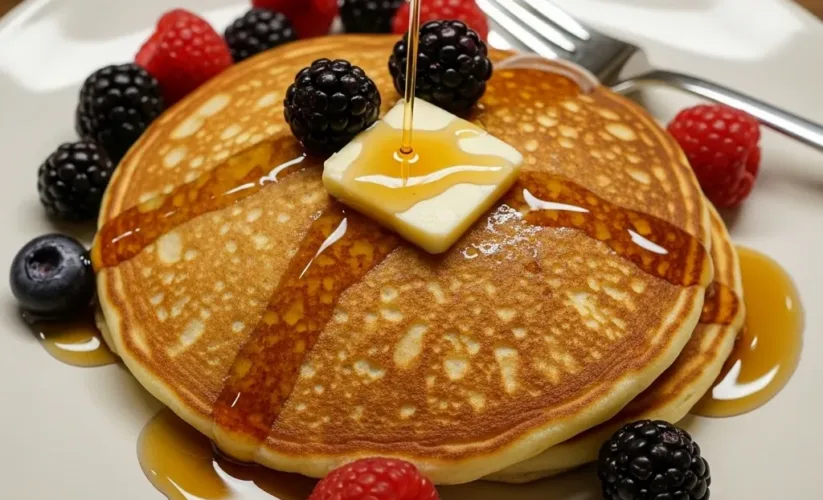
Food, for me, is love, and I was determined to bring back that magic. After much experimentation, tweaking, and a few flour-dusted kitchen battles, I finally cracked the code to truly delicious, light, and fluffy gluten free pancakes. These aren’t just good for being gluten-free; they are simply phenomenal pancakes, period.
My kids, all three of them – even the pickiest – devour them. They taste like pure happiness, a testament that dietary restrictions do not mean sacrificing flavor or cherished family traditions. Now, I make these perfect gluten free pancakes regularly, and every single time, I see the same delight in their eyes, the same sticky fingers, and the same full, happy smiles. And that, my friends, is what truly fills my heart.
Why You’ll Love This Recipe for Gluten Free Pancakes
You’ll adore these gluten free pancakes for so many reasons. First, they are incredibly easy to whip up, even on a busy weekday morning. They deliver that classic fluffy texture and golden-brown perfection everyone craves in a pancake.
Forget those dense, crumbly gluten-free versions you might have tried before; these pancakes hold together beautifully and boast a tender, airy crumb. Furthermore, this recipe uses simple, accessible ingredients you likely already have in your pantry. You won’t need any obscure flours or binders.
Whether you or a family member has celiac disease, a gluten sensitivity, or you simply want to try a delicious alternative, these allergy-friendly pancakes will become a fast favorite. My kids always ask for these specific gluten free pancakes, often preferring them over traditional ones.
They offer a delightful taste and satisfy everyone at the table, ensuring no one feels left out. Finally, making these light and fluffy gluten-free pancakes truly brings joy back to breakfast, proving that nourishing food can also be incredibly delicious and simple.
Ingredients You’ll Need
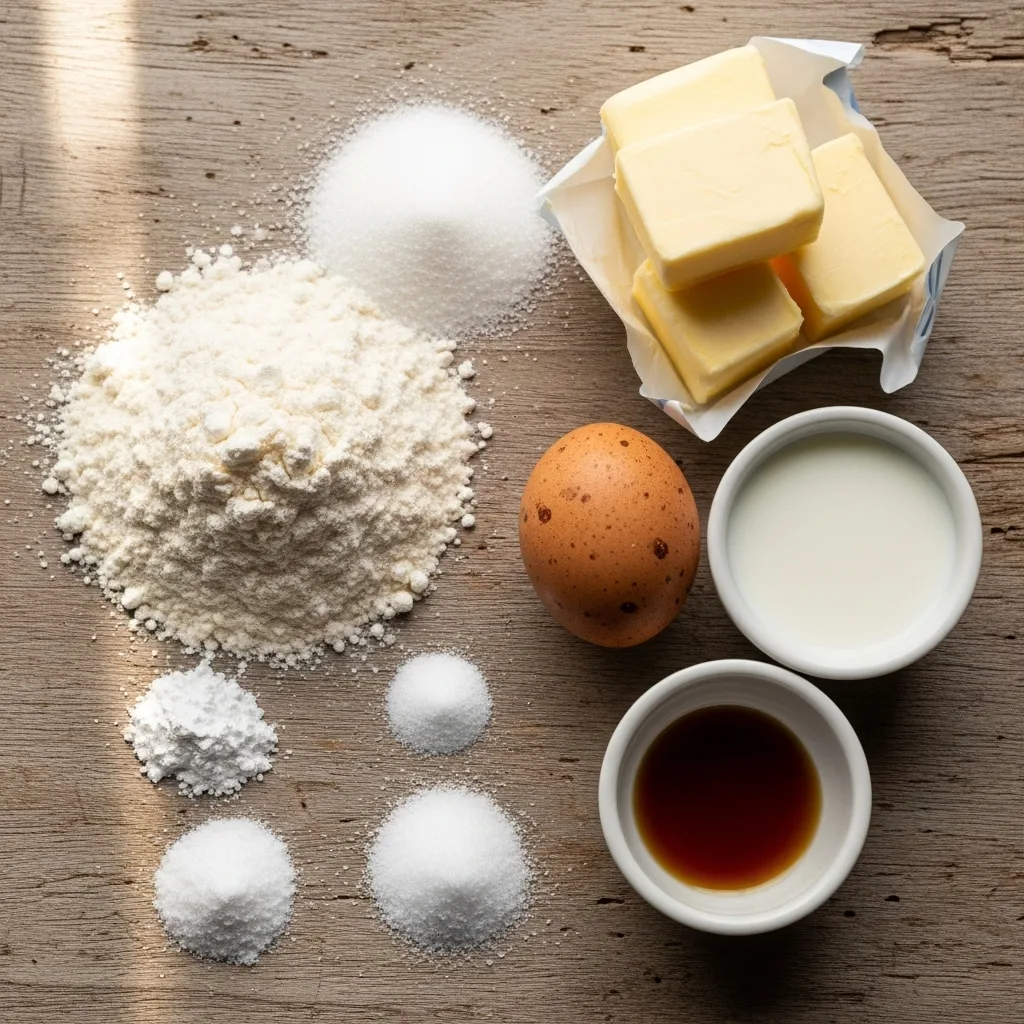
Gathering your ingredients for these delightful gluten free pancakes is straightforward. You will use common kitchen staples, making this recipe incredibly convenient. Always opt for a high-quality 1:1 gluten-free all-purpose flour blend for the best results; it truly makes a difference in the texture of your gluten-free flapjacks. Here’s what you need to create the perfect batch:
| Ingredient | Quantity |
|---|---|
| 1:1 Gluten-Free All-Purpose Flour Blend | 1 ½ cups |
| Granulated Sugar | 2 tablespoons |
| Baking Powder | 2 teaspoons |
| Baking Soda | ½ teaspoon |
| Salt | ½ teaspoon |
| Large Egg | 1 |
| Milk (dairy or non-dairy) | 1 ¼ cups |
| Melted Unsalted Butter or Oil | 3 tablespoons |
| Vanilla Extract | 1 teaspoon |
Substitutions & Variations
This versatile recipe for gluten free pancakes allows for many simple adjustments to suit different tastes or dietary needs. You can easily make these allergy-friendly pancakes your own. For a dairy-free version, simply swap out the cow’s milk for an unsweetened non-dairy alternative like almond milk, soy milk, or oat milk.
Moreover, use a plant-based butter substitute or a neutral oil like canola or vegetable oil instead of dairy butter. If you prefer a less sweet pancake, reduce the granulated sugar to one tablespoon, or omit it entirely if your syrup provides enough sweetness. You can also experiment with different sweeteners; a touch of maple syrup or honey can replace the granulated sugar for a slightly different flavor profile.
Furthermore, elevate these delicious gluten free pancakes with various add-ins. Stir in ½ cup of fresh blueberries, raspberries, or sliced bananas for a fruity twist. Chocolate chips, mini or regular, make any breakfast feel like a special treat.
You can even add a pinch of cinnamon or nutmeg to the dry ingredients for a warm, spiced flavor. These variations ensure everyone loves these amazing gluten free pancakes!
Step-by-Step Instructions
Crafting these perfect gluten free pancakes is a simple and rewarding process. Follow these straightforward steps for a delicious breakfast every time. Your family will adore these light and fluffy gluten-free pancakes!
- Combine Dry Ingredients: In a large mixing bowl, whisk together the gluten-free all-purpose flour blend, granulated sugar, baking powder, baking soda, and salt. Make sure to combine them thoroughly; this step helps distribute the leavening agents evenly.
- Combine Wet Ingredients: In a separate medium bowl, whisk the egg, milk, melted butter (or oil), and vanilla extract until well combined.
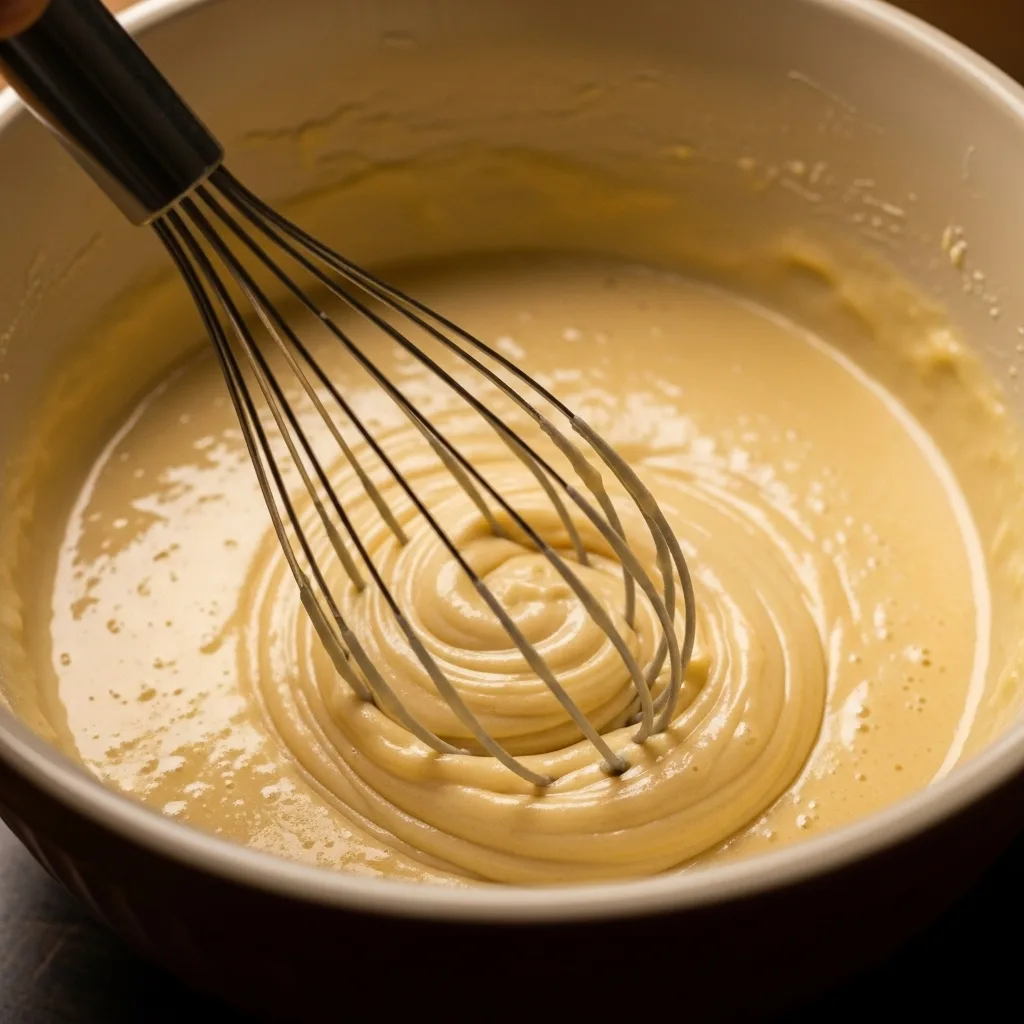
- Combine Wet and Dry: Pour the wet ingredients into the dry ingredients. Stir gently with a whisk or a wooden spoon until just combined. A few lumps are perfectly normal, and even desirable; do not overmix the batter. Overmixing develops gluten (even in gluten-free flour, it can affect texture) and leads to tough, rubbery pancakes. You want a thick but pourable batter for the best gluten free pancakes.
- Rest the Batter: Let the batter rest for 5-10 minutes. This resting period allows the gluten-free flour to fully hydrate and the leavening agents to activate, resulting in fluffier pancakes.
- Heat the Griddle: While the batter rests, heat a lightly greased non-stick griddle or large skillet over medium heat. You want it hot enough that a drop of water sizzles, but not so hot that it immediately burns.
- Cook the Pancakes: Pour about ¼ cup of batter per pancake onto the hot griddle. Cook for 2-3 minutes per side, or until bubbles appear on the surface and the edges look set. The underside should be golden brown.
- Flip and Finish: Carefully flip the pancakes and cook for another 1-2 minutes, or until the second side is golden brown and the pancakes are cooked through.
- Serve Immediately: Transfer the cooked gluten free pancakes to a plate and serve warm with your favorite toppings.
Note: This video is for demonstration purposes and may use a slightly different method.
Pro Tips for Success
Achieving truly perfect gluten free pancakes involves a few key techniques. First, do not overmix your batter. A slightly lumpy batter is absolutely fine and actually preferred.
Overmixing develops gluten, even in gluten-free blends, which can make your pancakes tough and chewy instead of light and fluffy. Second, always let your batter rest for at least 5-10 minutes. This resting period allows the gluten-free flour to absorb the liquid fully, creating a more cohesive and tender pancake.
It also gives the baking powder and baking soda time to activate, contributing to that fantastic rise. Moreover, proper griddle temperature is crucial. A medium heat works best; if your griddle is too hot, the pancakes will burn on the outside before cooking through, and if it’s too cool, they will be greasy and flat.
Test your griddle with a small drop of water – it should sizzle gently. Furthermore, resist the urge to press down on the pancakes while they cook. Pressing them flat releases air bubbles, leading to dense pancakes.
Finally, to keep your cooked gluten free pancakes warm while you finish the batch, place them on a wire rack set over a baking sheet in a warm oven (around 200°F/95°C). This method prevents them from getting soggy. Follow these tips, and you’ll consistently make the most delightful light and fluffy gluten-free pancakes.
Storage & Reheating Tips
These delicious gluten free pancakes are perfect for making ahead and enjoying later, making busy mornings a breeze. To store leftover pancakes, allow them to cool completely at room temperature first. This prevents condensation from making them soggy.
Stack the cooled pancakes with small squares of parchment paper between each one to prevent sticking. Then, place them in an airtight container or a freezer-safe bag. They will keep fresh in the refrigerator for up to 3-4 days.
For longer storage, freeze the stacked and parchment-separated pancakes for up to 2-3 months. When you’re ready to enjoy your make-ahead gluten free pancakes, reheating them is simple. You can pop them directly into a toaster or toaster oven for a few minutes until warmed through and slightly crispy – this is my favorite method!
Alternatively, microwave them on a plate for 30-60 seconds, or until hot. If you have a larger batch to reheat, spread them in a single layer on a baking sheet and warm them in a preheated oven at 350°F (175°C) for about 5-10 minutes. Enjoying these gluten-free flapjacks has never been easier, even on the busiest of days.
What to Serve With This Recipe
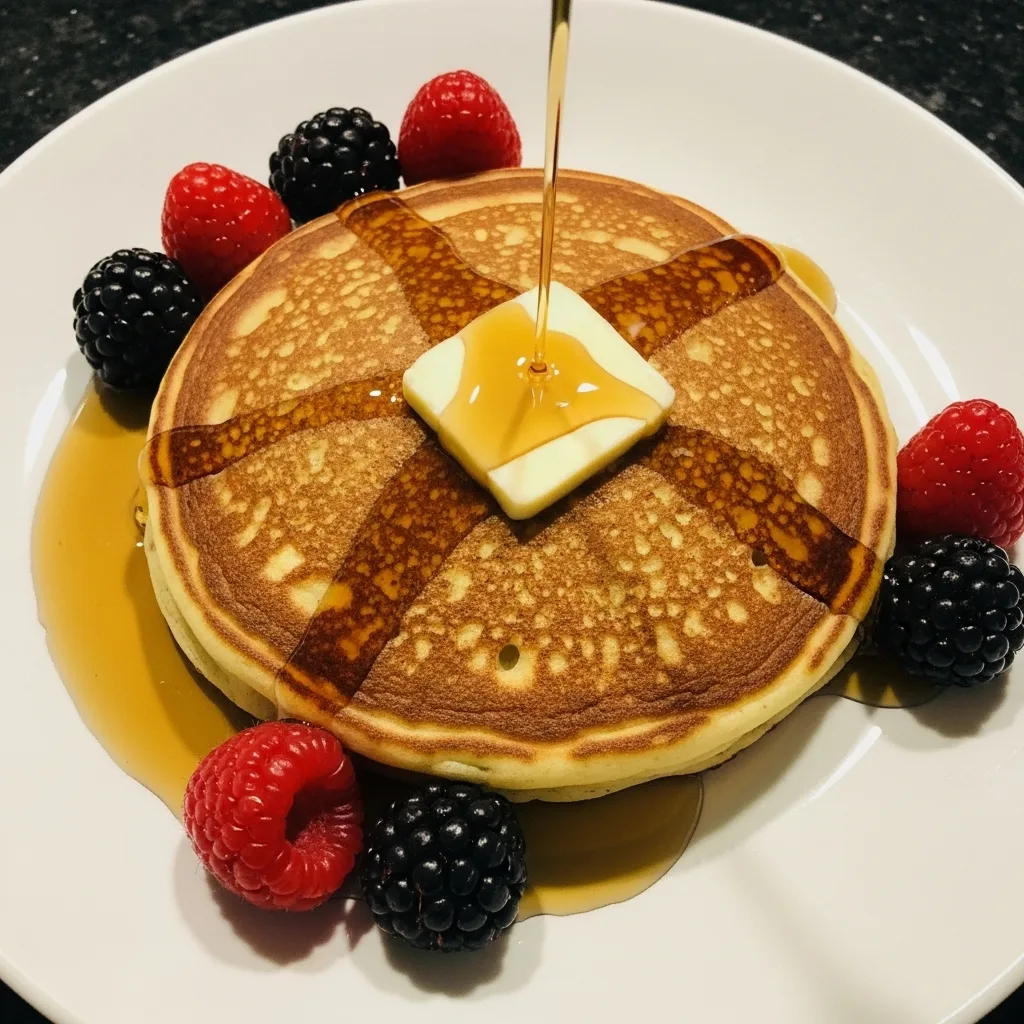
These incredible gluten free pancakes serve as the perfect canvas for a wide array of toppings and sides, transforming a simple breakfast into a full-fledged feast. For classic sweetness, a generous pour of pure maple syrup is always a winner. You can also drizzle them with honey or agave nectar.
Fresh berries—strawberries, blueberries, raspberries, or a mixed berry medley—add a burst of color and natural sweetness. A dollop of whipped cream or a scoop of vanilla ice cream makes these allergy-friendly pancakes feel extra indulgent. Moreover, a sprinkle of powdered sugar always looks elegant and adds a subtle sweetness.
For something a little richer, try a fruit compote, like a homemade warm apple or cherry topping. If you lean towards savory, crispy bacon or breakfast sausage links pair wonderfully with the sweetness of the pancakes. Scrambled or fried eggs complete a hearty breakfast plate.
A side of fresh fruit salad brightens up the meal and offers a healthy contrast. Whatever your preference, these light and fluffy gluten-free pancakes truly shine with any accompaniment, making every breakfast memorable. My family loves to mix and match toppings, creating their own perfect combination for their favorite gluten free pancakes.
FAQs
Can I make these gluten free pancakes dairy-free?
Absolutely! This recipe for gluten free pancakes easily adapts to be dairy-free. Simply substitute the cow’s milk with an equal amount of unsweetened non-dairy milk, such as almond milk, soy milk, oat milk, or cashew milk.
For the melted butter, use a plant-based butter substitute or a neutral-flavored oil like canola oil or melted coconut oil. The texture and flavor of your gluten-free flapjacks will remain wonderfully delicious.
What is the best gluten-free flour blend for pancakes?
For the best gluten free pancakes, I highly recommend using a high-quality 1:1 gluten-free all-purpose flour blend. These blends typically contain a mix of different gluten-free flours (like rice flour, tapioca starch, potato starch, sorghum flour) and often include xanthan gum, which helps with texture and elasticity.
Brands like Bob’s Red Mill 1:1 Baking Flour or King Arthur Gluten-Free Measure for Measure Flour work exceptionally well, producing light and fluffy gluten-free pancakes every time. Avoid single-flour options like just rice flour, as they won’t give you the desired texture.
Why are my gluten free pancakes gummy?
Gummy gluten free pancakes often result from overmixing the batter or using too much liquid. Remember to mix the wet and dry ingredients just until they are combined; a few lumps are fine. Overmixing can develop starches in gluten-free flours in a way that creates a gluey texture.
Additionally, ensure you measure your liquids precisely. If your batter seems too thick after resting, you can add a tiny splash more milk, but do so gradually. Resting the batter also helps the flour fully hydrate, preventing a gummy texture.
Can I prepare the batter ahead of time?
You can prepare the batter for these gluten free pancakes a few hours ahead of time and store it in the refrigerator. However, for the absolute best results, I recommend making the batter fresh right before cooking.
The leavening agents (baking powder and baking soda) start to work once they combine with the liquid, and their effectiveness can diminish over time, potentially leading to flatter pancakes. If you do make it ahead, give it a gentle stir before cooking, and you might notice a slightly thicker consistency.
Are these gluten free pancakes suitable for kids?
Absolutely! My own kids devour these gluten free pancakes. They are wonderfully light, flavorful, and incredibly versatile, making them perfect for even the pickiest eaters.
You can easily customize them with fun add-ins like chocolate chips or berries, which kids always love. They are a nourishing and delicious breakfast option for any child, whether they follow a gluten-free diet or not. These allergy-friendly pancakes are a true family favorite.
Nutrition Information (per serving)
Please note that this nutrition information is an estimate based on the ingredients listed and standard portion sizes. Actual values may vary depending on specific brands and exact measurements of your gluten free pancakes.
| Nutrient | Amount |
|---|---|
| Calories | 210 kcal |
| Total Fat | 8g |
| Saturated Fat | 4g |
| Cholesterol | 50mg |
| Sodium | 380mg |
| Total Carbohydrates | 29g |
| Dietary Fiber | 2g |
| Total Sugars | 6g |
| Protein | 4g |
gluten free pancakes
These light and fluffy gluten-free pancakes are a phenomenal breakfast staple, designed to bring joy back to the table for families with celiac disease or gluten sensitivities. Incredibly easy to whip up with simple, accessible ingredients, they deliver a classic fluffy texture and golden-brown perfection. Forget dense, crumbly gluten-free versions; these pancakes hold together beautifully and boast a tender, airy crumb, satisfying everyone at the table and proving that dietary restrictions don't mean sacrificing flavor or cherished family traditions.
- Prep Time: 20 mins
- Cook Time: 10 mins
- Total Time: 30 mins
- Yield: 4 servings 1x
- Category: Breakfast
- Method: Griddle Cooking
- Cuisine: American
- Diet: Gluten Free
Ingredients
1 ½ cups 1:1 Gluten-Free All-Purpose Flour Blend
2 tablespoons Granulated Sugar
2 teaspoons Baking Powder
½ teaspoon Baking Soda
½ teaspoon Salt
1 Large Egg
1 ¼ cups Milk (dairy or non-dairy)
3 tablespoons Melted Unsalted Butter or Oil
1 teaspoon Vanilla Extract
Instructions
- Combine Dry Ingredients: In a large mixing bowl, whisk together the gluten-free all-purpose flour blend, granulated sugar, baking powder, baking soda, and salt. Make sure to combine them thoroughly; this step helps distribute the leavening agents evenly
- Combine Wet Ingredients: In a separate medium bowl, whisk the egg, milk, melted butter (or oil), and vanilla extract until well combined
- Combine Wet and Dry: Pour the wet ingredients into the dry ingredients. Stir gently with a whisk or a wooden spoon until just combined. A few lumps are perfectly normal, and even desirable; do not overmix the batter. Overmixing develops gluten (even in gluten-free flour, it can affect texture) and leads to tough, rubbery pancakes. You want a thick but pourable batter for the best gluten free pancakes
- Rest the Batter: Let the batter rest for 5-10 minutes. This resting period allows the gluten-free flour to fully hydrate and the leavening agents to activate, resulting in fluffier pancakes
- Heat the Griddle: While the batter rests, heat a lightly greased non-stick griddle or large skillet over medium heat. You want it hot enough that a drop of water sizzles, but not so hot that it immediately burns
- Cook the Pancakes: Pour about ¼ cup of batter per pancake onto the hot griddle. Cook for 2-3 minutes per side, or until bubbles appear on the surface and the edges look set. The underside should be golden brow
- Flip and Finish: Carefully flip the pancakes and cook for another 1-2 minutes, or until the second side is golden brown and the pancakes are cooked through
- Serve Immediately: Transfer the cooked gluten free pancakes to a plate and serve warm with your favorite toppings
Notes
Do not overmix your batter; a slightly lumpy batter is preferred for light and fluffy pancakes. Overmixing can lead to tough, chewy pancakes.
Always let your batter rest for at least 5-10 minutes. This allows the gluten-free flour to absorb liquid fully and leavening agents to activate for a better rise.
Maintain proper griddle temperature (medium heat); test with a drop of water (it should sizzle gently). Too hot burns, too cool makes them greasy and flat.
Resist pressing down on pancakes while cooking to avoid dense pancakes.
To keep cooked pancakes warm, place them on a wire rack set over a baking sheet in a warm oven (around 200°F/95°C) to prevent sogginess.
For a dairy-free version, substitute cow's milk with an equal amount of unsweetened non-dairy milk (like almond, soy, oat, or cashew milk) and use a plant-based butter substitute or a neutral-flavored oil (like canola or melted coconut oil).
For a less sweet pancake, reduce granulated sugar to one tablespoon, or omit entirely. Maple syrup or honey can also be used as sweeteners.
Elevate with add-ins: Stir in ½ cup of fresh blueberries, raspberries, or sliced bananas for a fruity twist, or add chocolate chips. A pinch of cinnamon or nutmeg can be added to the dry ingredients for a warm, spiced flavor.
To store leftovers, allow them to cool completely. Stack with parchment paper between each, then place in an airtight container or freezer-safe bag. They will keep fresh in the refrigerator for up to 3-4 days.
For longer storage, freeze for up to 2-3 months.
Reheat by popping into a toaster or toaster oven, microwaving for 30-60 seconds, or warming in a preheated oven at 350°F (175°C) for about 5-10 minutes.
For the best results, make the batter fresh right before cooking. While you can prepare it a few hours ahead and refrigerate, the leavening agents' effectiveness might diminish over time, potentially leading to flatter pancakes.
Nutrition
- Serving Size: 3 pancakes
- Calories: 210 kcal
- Sugar: 6g
- Sodium: 380mg
- Fat: 8g
- Saturated Fat: 4g
- Unsaturated Fat: 4g
- Trans Fat: 0g
- Carbohydrates: 29g
- Fiber: 2g
- Protein: 4g
- Cholesterol: 50mg
For those navigating dietary restrictions, gluten-free pancakes provide a delicious and safe way to enjoy a classic breakfast staple. These recipes typically substitute traditional wheat flour with alternative grains and starches, ensuring a light and fluffy texture without compromising flavor. Adopting a gluten-free diet is essential for individuals with celiac disease or non-celiac gluten sensitivity, and mastering versatile recipes like these pancakes can greatly enhance mealtime enjoyment.