Gluten-Free and Dairy-Free Alternatives for Starbucks Egg Bites: Complete Guide 2025

Understanding proper preparation methods for gluten free dairy free egg bites empowers individuals with dietary restrictions to enjoy convenient, protein-rich breakfasts that support their health goals. These alternatives build upon foundational techniques from our Starbucks egg bites copycat recipe while accommodating specific dietary needs through specialized ingredient approaches.
Table of Contents
Modern dietary restrictions affect millions of individuals worldwide, with celiac disease impacting 1% of the population and lactose intolerance affecting up to 65% of adults globally. Creating gluten free dairy free egg bites addresses these widespread nutritional challenges while maintaining the protein density and convenience that makes egg bites popular breakfast solutions.
These techniques integrate seamlessly with principles from our air fryer egg bites method while accommodating dietary restrictions through specialized ingredient approaches.
Understanding Dietary Restrictions and Egg Bites
Gluten free dairy free egg bites require careful ingredient selection to avoid cross-contamination and achieve proper texture without traditional binding agents. Celiac disease demands complete gluten elimination, while lactose intolerance and dairy allergies necessitate removing all milk proteins and lactose-containing ingredients.
Traditional egg bite recipes rely heavily on cheese for structure, creaminess, and flavor complexity. Dairy-free alternatives must replicate these functions through plant-based substitutions that maintain protein content and cooking stability. Similarly, gluten contamination often occurs through processing facilities or hidden ingredients in seemingly safe products.
Nutritional adequacy becomes crucial when removing entire food categories. Gluten free dairy free egg bites must compensate for potential deficiencies in calcium, vitamin D, riboflavin, and certain B vitamins typically provided by dairy products, while ensuring adequate protein quality from alternative sources.
Essential Ingredient Substitutions
Dairy-Free Base Alternatives
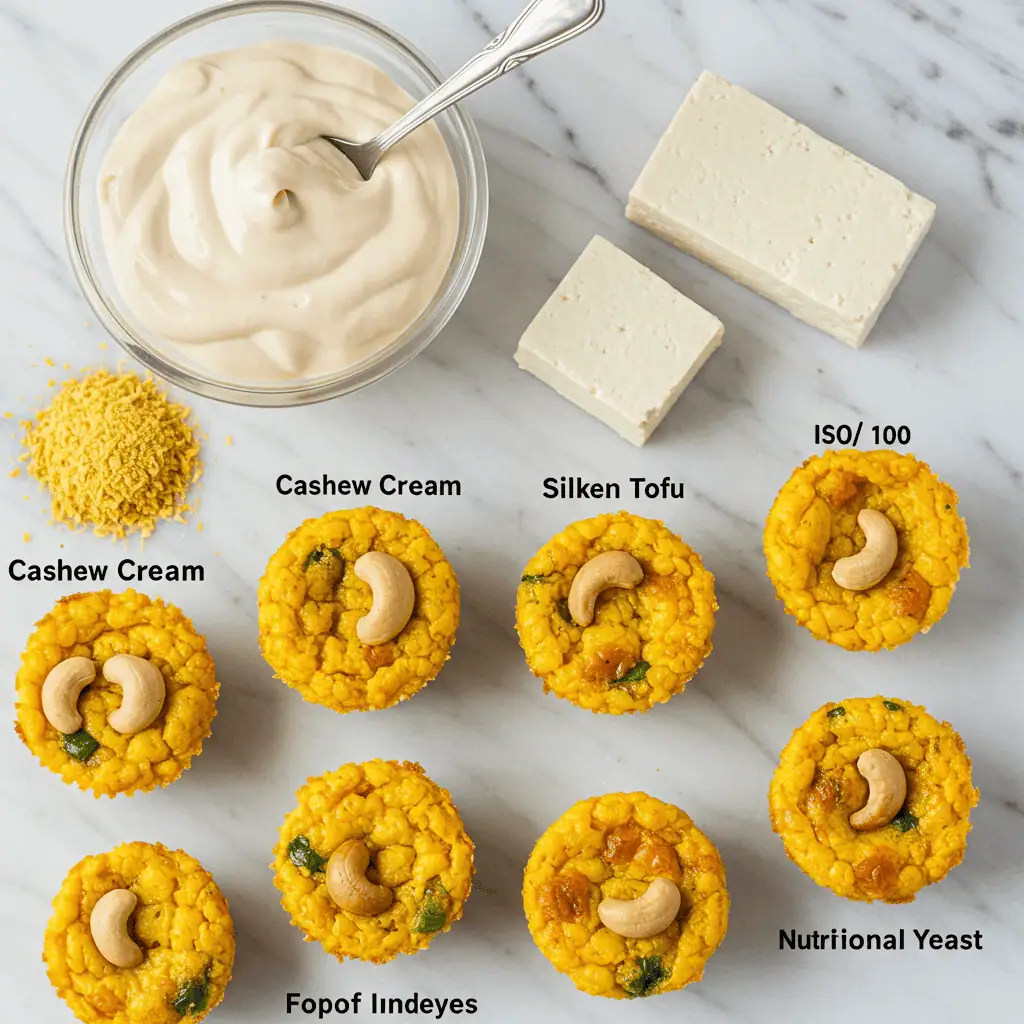
Cashew cream serves as the primary cottage cheese replacement in gluten free dairy free egg bites. Soak 1 cup raw cashews for 4 hours, then blend with ½ cup water until completely smooth. This creates a neutral-flavored base with comparable protein content and cooking stability.
Silken tofu provides another excellent foundation, offering complete protein profiles and natural binding properties. Use 6 oz silken tofu blended until smooth, which yields similar moisture content to cottage cheese while adding beneficial isoflavones and minerals.
Coconut cream from full-fat canned coconut milk delivers richness and structure. Separate the thick cream from liquid, using only the solid portion to avoid excess moisture that compromises texture in gluten free dairy free egg bites.
Cheese Flavor Replacements
Nutritional yeast creates cheesy, umami-rich flavors without dairy. Use 2-3 tablespoons per batch of gluten free dairy free egg bites, combining with small amounts of garlic powder and onion powder for complexity. This B-vitamin rich ingredient also enhances nutritional density.
Dairy-free cheese shreds from brands like Violife, Daiya, or Kite Hill provide melting properties similar to traditional cheese. Select varieties specifically labeled as both gluten-free and dairy-free, as some contain modified starches or processing aids that may include gluten.
Tahini or almond butter in small quantities (1-2 teaspoons) adds richness and subtle nutty flavors that enhance overall taste complexity while contributing healthy fats and protein to the final product.
Gluten-Free Binding and Structure
Psyllium husk powder acts as an excellent gluten-free binding agent in gluten free dairy free egg bites. Use ½ teaspoon per batch, mixing thoroughly with liquid ingredients to prevent clumping. This soluble fiber creates gel-like consistency that mimics gluten’s binding properties.
Ground flaxseed provides both binding and nutritional enhancement. Mix 1 tablespoon ground flaxseed with 3 tablespoons water, let sit for 5 minutes to create “flax eggs” that add structure and omega-3 fatty acids to the recipe.
Xanthan gum in tiny quantities (⅛ teaspoon) improves texture and prevents separation during cooking. This fermentation-derived thickener helps maintain the smooth, custard-like consistency characteristic of quality egg bites.
Flavor Enhancement Strategies
Herb and Spice Combinations
Mediterranean blend using dried oregano, basil, thyme, and rosemary creates complex flavor profiles that compensate for missing dairy richness. Fresh herbs work even better when available, adding brightness and aromatic compounds that enhance overall taste experience.
Smoked paprika provides depth and slight smokiness that mimics the complexity typically achieved through cheese aging. Use ½ teaspoon per batch of gluten free dairy free egg bites for optimal flavor balance without overwhelming other ingredients.
Garlic and onion powders in combination (¼ teaspoon each) add savory depth that enhances egg flavors naturally. These aromatics work synergistically with nutritional yeast to create satisfying umami notes.
Vegetable Additions
Roasted red peppers add sweetness, color, and beneficial antioxidants while providing natural moisture that enhances texture. Dice finely to distribute evenly throughout gluten free dairy free egg bites mixture.
Sautéed mushrooms contribute meaty, umami-rich flavors that compensate for reduced protein density from dairy removal. Choose varieties like shiitake or cremini for maximum flavor impact.
Fresh spinach provides iron, folate, and vibrant color while adding virtually no calories or allergens. Wilt briefly before incorporating to remove excess moisture that might affect cooking consistency.
Nutritional Optimization Strategies
Protein Enhancement
These protein enhancements align with strategies from our high-protein breakfast ideas guide while maintaining dietary restriction compliance.
Hemp hearts provide complete protein profiles with all essential amino acids. Add 1-2 tablespoons per batch of gluten free dairy free egg bites for subtle nutty flavor and significant protein boost without affecting texture.
Collagen peptides dissolve completely in liquid mixtures, adding pure protein without flavor interference. Use 1 scoop (approximately 10 grams) per batch to compensate for protein typically provided by dairy ingredients.
Pea protein powder in small amounts (1-2 tablespoons) boosts protein content while maintaining neutral flavors. Choose unflavored varieties to avoid artificial sweeteners or flavoring compounds that might affect final taste.
Micronutrient Fortification
Calcium carbonate powder or liquid calcium supplements help replace calcium typically provided by dairy products. Add according to package directions, usually 1/4 teaspoon powder per batch of gluten free dairy free egg bites.
Vitamin D3 drops can be incorporated directly into the mixture, especially important for individuals avoiding fortified dairy products. Follow supplement labeling for appropriate dosing based on individual needs.
B-vitamin complex supplementation through nutritional yeast or direct supplement addition helps compensate for nutrients commonly found in dairy products, particularly B12, riboflavin, and folate.
Advanced Preparation Techniques
Texture Optimization
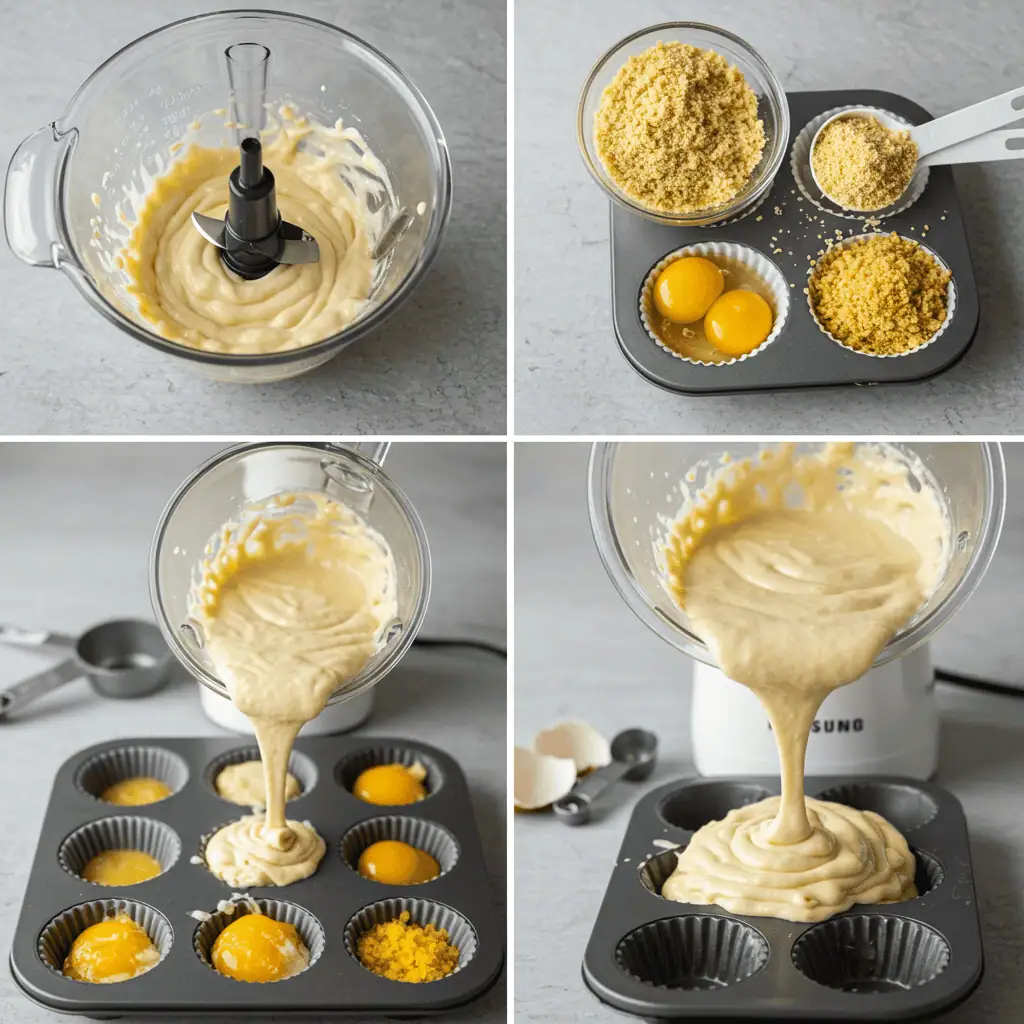
These preparation techniques integrate with guidance from our egg bite preparation methods while addressing specific challenges of dairy-free cooking.
Sequential blending ensures smooth integration of alternative ingredients. Start with liquid base (cashew cream or silken tofu), add eggs one at a time, then incorporate dry seasonings gradually while blending continuously for smooth consistency.
Straining mixture through fine-mesh sieve removes any remaining lumps from alternative ingredients, ensuring silky texture characteristic of quality gluten free dairy free egg bites. This step becomes especially important when using cashew cream or nutritional yeast.
Temperature control during cooking requires slightly lower heat settings when using dairy alternatives. Reduce oven temperature by 25°F compared to traditional recipes to prevent curdling or separation of plant-based ingredients.
Cooking Method Adaptations
Water bath cooking works exceptionally well for gluten free dairy free egg bites, providing gentle, even heat that prevents overcooking of sensitive dairy alternatives. Fill baking dish halfway with hot water before placing filled molds inside.
Silicone mold selection becomes crucial when using dairy alternatives, as these ingredients may stick more readily to metal surfaces. High-quality silicone provides easy release and even heat distribution for consistent results.
Resting period of 10-15 minutes after cooking allows plant-based ingredients to set properly. This additional time compensates for different protein structures in dairy alternatives compared to traditional cheese-based recipes.
Cost and Accessibility Considerations
Budget-Friendly Approaches
Bulk purchasing of specialty ingredients like cashews, nutritional yeast, and psyllium husk reduces per-serving costs significantly. Store in airtight containers in cool, dry locations to maintain freshness and prevent rancidity.
Seasonal vegetable utilization helps control costs while providing variety in gluten free dairy free egg bites. Frozen vegetables work excellently when fresh options become expensive, offering consistent quality and extended storage life.
Homemade cashew cream costs approximately 60% less than store-bought alternatives while providing superior freshness and flavor control. Invest in high-speed blender for smooth, professional-quality results.
Ingredient Sourcing
Certified gluten-free labeling becomes essential for all ingredients, including spices and seasonings that might experience cross-contamination during processing. Look for dedicated gluten-free facilities when possible.
Dairy-free verification requires careful label reading, as many products contain hidden dairy derivatives like casein, whey, or lactose. Choose products with clear “dairy-free” certification rather than assuming “non-dairy” guarantees absence of all milk proteins.
Local health food stores often provide better selection and competitive pricing for specialty ingredients compared to conventional supermarkets. Establish relationships with knowledgeable staff for ingredient recommendations and special ordering options.
Storage and Reheating Optimization
These nutritional considerations support the comprehensive approach outlined in our egg bite storage and nutrition guide while addressing specific needs of restricted diets.
Refrigeration protocols for gluten free dairy free egg bites require airtight containers to prevent absorption of other flavors and maintain moisture content. Properly stored versions maintain quality for 5-7 days without deterioration.
Freezing strategies work well with dairy-free versions, though texture may become slightly more dense after thawing. Wrap individually in parchment paper before placing in freezer bags to prevent sticking and facilitate single-serving portions.
Reheating techniques should use lower power settings (50-60% microwave power) to prevent overcooking of sensitive plant-based ingredients. Add splash of non-dairy milk if mixture appears dry after refrigeration.
These storage strategies integrate with comprehensive guidance from our meal prep egg bites guide while addressing specific considerations for dairy-free preparations.
Troubleshooting Common Issues
Texture Problems
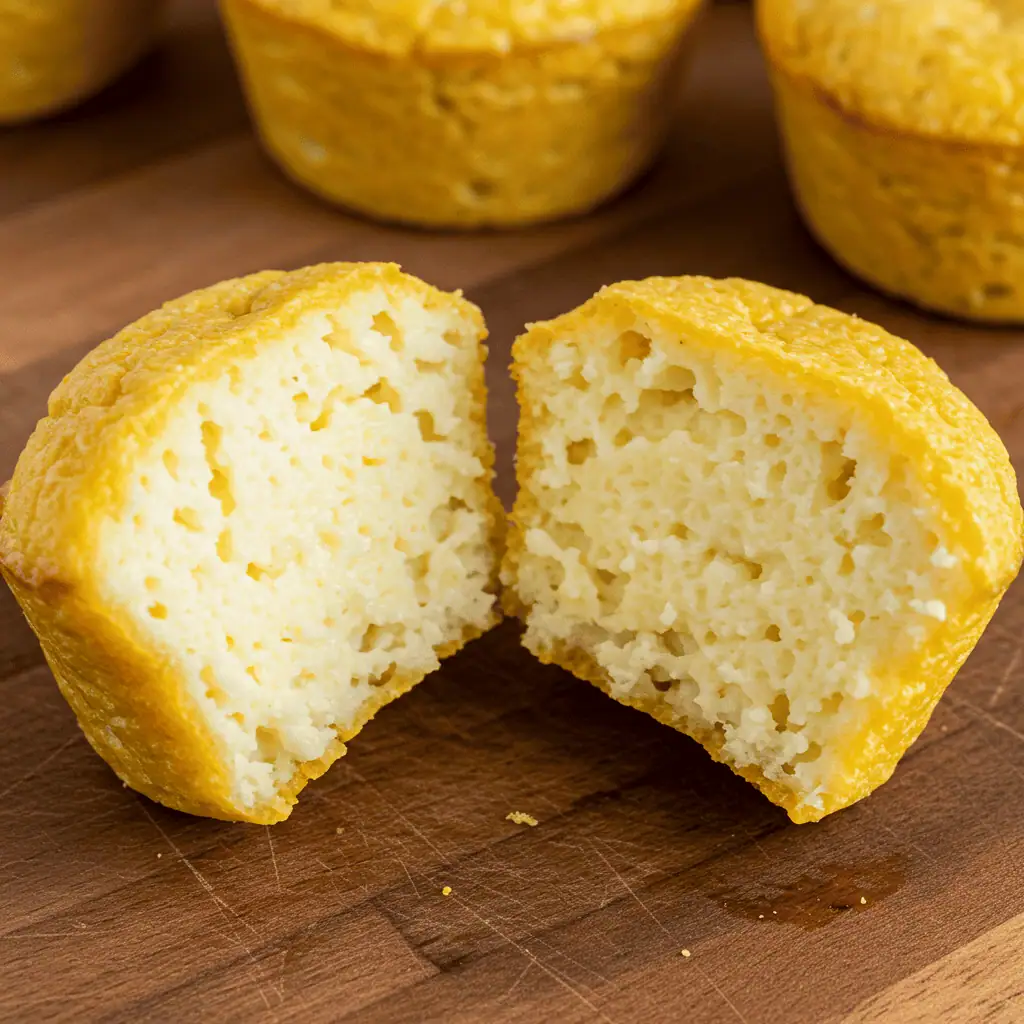
Grainy consistency often results from insufficient blending of cashew cream or inadequate soaking time. Extend cashew soaking to 8 hours or use hot water for accelerated 30-minute soaking when time constraints exist.
Separation during cooking indicates too high cooking temperature or incompatible ingredient combinations. Reduce heat and ensure all plant-based milks are at room temperature before mixing with eggs.
Rubbery texture suggests overcooking or excessive binding agents. Reduce cooking time by 2-3 minutes and decrease psyllium husk or xanthan gum quantities in future batches.
Flavor Issues
Bland taste commonly occurs when removing flavorful dairy ingredients. Increase salt by 25%, add extra herbs and spices, and consider umami enhancers like tomato paste or mushroom powder for depth.
Off-flavors from nutritional yeast or plant-based ingredients can be minimized by toasting nutritional yeast lightly in dry pan before use, which mellows sharp flavors and adds nutty complexity.
Insufficient richness can be addressed through strategic fat additions like avocado oil, tahini, or coconut cream, which provide mouthfeel similar to dairy fats while maintaining dietary compliance.
These troubleshooting approaches build upon principles from our egg bite variations guide while addressing specific challenges of dairy-free cooking.
Comprehensive Comparison Considerations
When evaluating dairy-free alternatives, consider insights from our Starbucks vs homemade comparison guide which demonstrates how homemade versions consistently deliver superior nutritional control for dietary restrictions.
Commercial alternatives rarely accommodate both gluten-free and dairy-free requirements simultaneously, making homemade versions essential for individuals with multiple restrictions. The ability to control every ingredient ensures complete dietary compliance while maintaining nutritional adequacy.
Cost comparisons become even more favorable when preparing gluten free dairy free egg bites at home, as specialty commercial products command premium pricing. Homemade versions provide 70-80% cost savings compared to purchasing equivalent products from health food stores or specialty manufacturers.
Nutritional superiority of homemade versions allows customization of protein content, micronutrient density, and caloric values according to individual health goals and dietary requirements, impossible to achieve with mass-produced alternatives.
Creating successful gluten free dairy free egg bites requires patience, quality ingredients, and attention to technique, but the results provide safe, delicious, and nutritious breakfast options for individuals navigating complex dietary restrictions while maintaining the convenience and satisfaction of traditional egg bite preparations.
PrintGluten-Free and Dairy-Free Alternatives for Starbucks Egg Bites: Complete Guide 2025

Master the art of creating delicious gluten free dairy free egg bites using natural ingredient substitutions. This comprehensive guide provides solutions for celiac disease, lactose intolerance, and multiple dietary restrictions while maintaining the creamy texture and satisfying flavor of traditional egg bites. Learn professional techniques for dairy-free bases, gluten-free binding, and nutritional optimization
- Prep Time: 15 minutes
- Cook Time: 25 minutes
- Total Time: 40 minutes
- Yield: 12 egg bites 1x
- Category: Special Diet Breakfast
- Method: Baking
- Cuisine: American
- Diet: Gluten Free
Ingredients
- 8 large eggs
- 1 cup cashew cream (soaked cashews blended smooth)
- 3 tablespoons nutritional yeast
- 1/2 teaspoon psyllium husk powder
- 1/2 teaspoon sea salt
- 1/4 teaspoon black pepper
- 1 cup mixed vegetables, finely diced
- 2 tablespoons olive oil
- Fresh herbs for garnish (optional)
Instructions
- Preheat oven to 325°F and thoroughly grease silicone muffin molds with olive oil
- Prepare cashew cream by soaking 1 cup raw cashews for 4 hours, then blending with 1/2 cup water until completely smooth
- In high-speed blender, combine eggs, prepared cashew cream, nutritional yeast, psyllium husk powder, salt, and pepper
- Blend until mixture is completely smooth and well-integrated, scraping sides as needed
- Divide egg mixture evenly among 12 muffin molds, filling each about 3/4 full
- Add diced vegetables to each mold and gently stir with toothpick to distribute evenly
- Bake for 22-25 minutes until centers are set and edges are lightly golden
- Cool in molds for 5 minutes before carefully removing
- Garnish with fresh herbs if desired and serve warm
Notes
- Cashews must be soaked for minimum 4 hours for smooth cream consistency
- Psyllium husk powder acts as gluten-free binder – do not omit
- Nutritional yeast provides cheesy flavor without dairy
- Store refrigerated up to 5 days or freeze up to 3 months
- Reheat gently to maintain texture
Nutrition
- Serving Size: 1 egg bite
- Calories: 89 kcal
- Sugar: 1 g
- Sodium: 125 mg
- Fat: 5g
- Saturated Fat: 1 g
- Unsaturated Fat: 4 g
- Trans Fat: 0g
- Carbohydrates: 3g
- Fiber: 1g
- Protein: 8g
- Cholesterol: 155mg