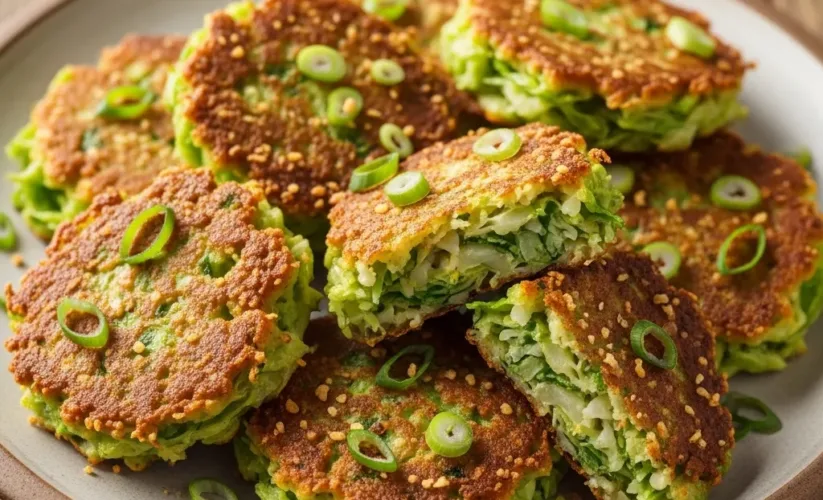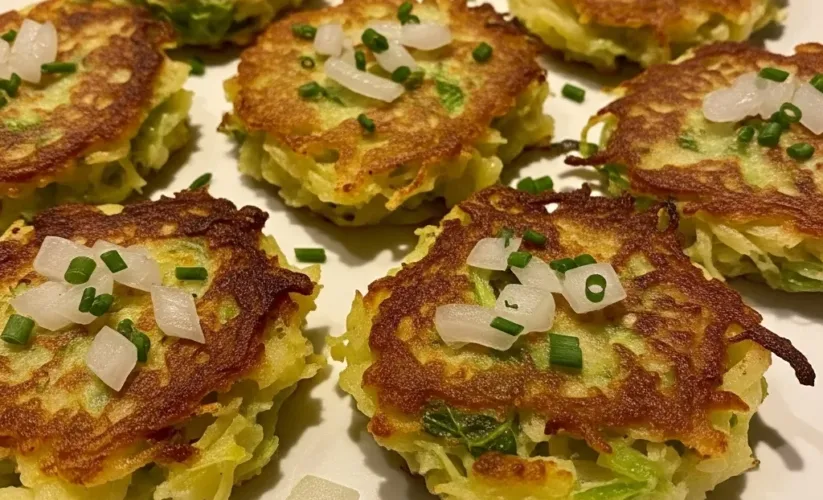
Korean cabbage pancakes pajeon

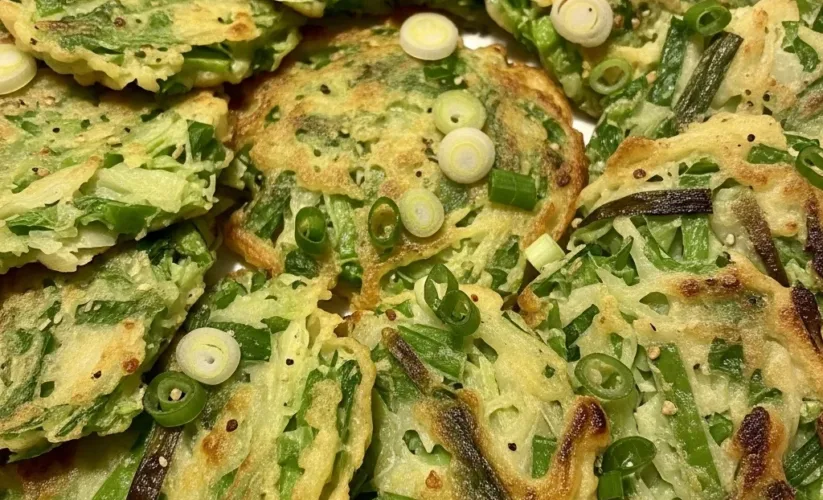
My kitchen often feels like the heart of our home, bustling with the happy chaos of three active kids and the comforting aroma of something delicious simmering on the stove. For me, Emilia, food is truly love, and there’s nothing quite like gathering my family around a table filled with simple, nourishing dishes. Recently, one recipe has captured all our hearts: these incredible Korean cabbage pancakes pajeon.
I first stumbled upon the idea years ago, looking for a way to use up a surplus of cabbage from our garden. What started as an experiment quickly became a family favorite. The crispy edges, the tender interior, and that savory, umami flavor make these Korean cabbage pancakes pajeon absolutely irresistible.
They are quick enough for a weeknight dinner, yet special enough for a weekend brunch. Honestly, these savory Korean pancakes have a way of bringing smiles to everyone’s faces, even my pickiest eaters. We often call them simply “pajeon” in our house now, a testament to how integrated these delicious Korean cabbage pancakes pajeon have become in our meal rotation.
Why You’ll Love This Recipe
You are going to adore these Korean cabbage pancakes pajeon for so many wonderful reasons. First, they are incredibly easy to make. Even if you are new to Korean cooking, you will find this recipe straightforward and forgiving.
The ingredients are simple, often things you already have in your pantry. Second, these savory Korean cabbage pancakes are wonderfully versatile. You can enjoy them as a light meal, a hearty snack, or a delightful side dish.
Furthermore, they are a fantastic way to sneak in extra vegetables, especially for little ones who might be hesitant about plain cabbage. The texture is just perfect—crispy on the outside, soft and flavorful on the inside. You get that satisfying crunch with every bite!
Plus, who can resist a warm, savory pancake? This particular pajeon recipe provides comfort and flavor in equal measure. My kids always cheer when they hear we are having Korean cabbage pancakes pajeon for dinner.
Ingredients You’ll Need
Making these fantastic Korean cabbage pancakes pajeon requires just a few key components. You will find most of these readily available at any grocery store. Always start with fresh, quality ingredients for the best flavor.
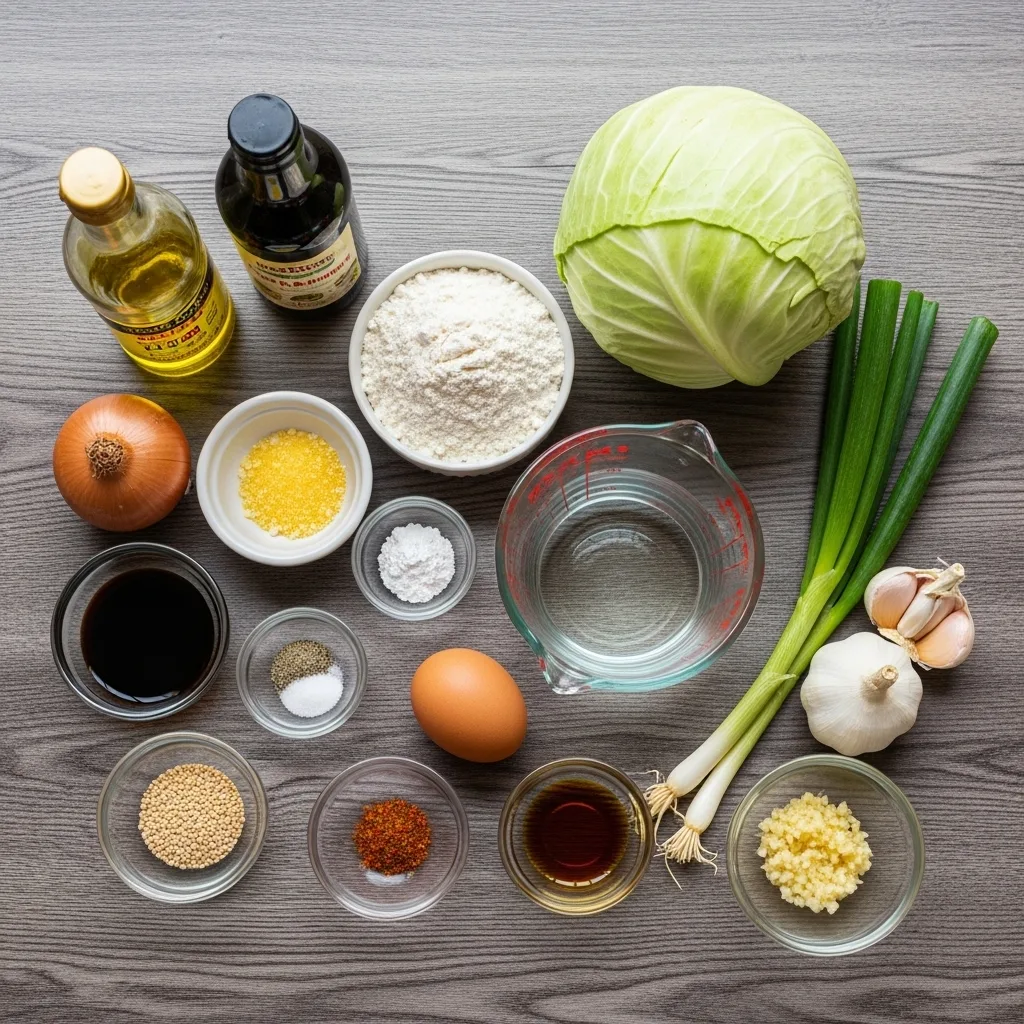
| Ingredient | Quantity | Notes |
|---|---|---|
| Green Cabbage | 4 cups, finely shredded | About half a medium head. Crucial for our Korean cabbage pancakes pajeon. |
| All-Purpose Flour | 1 cup | The base of our pancake batter. |
| Cornstarch | 2 tablespoons | Adds crispiness to the pajeon. |
| Baking Powder | 1 teaspoon | Helps keep the pancakes light. |
| Salt | 1/2 teaspoon | Enhances all the flavors. |
| Black Pepper | 1/4 teaspoon | A touch of warmth. |
| Large Egg | 1 | Binds the batter together. |
| Cold Water | 1 cup (approx.) | Adjust as needed for batter consistency. |
| Green Onions | 3-4, chopped | Adds a mild onion flavor and vibrant color. |
| Garlic | 2 cloves, minced | Essential for that savory depth in these Korean cabbage pancakes pajeon. |
| Sesame Oil | 1 tablespoon | For a nutty aroma in the batter. |
| Vegetable Oil | For pan-frying | Enough to generously coat the pan. |
| For the Dipping Sauce: | ||
| Soy Sauce | 2 tablespoons | The foundation of our simple sauce. |
| Rice Vinegar | 1 tablespoon | Adds a tangy balance. |
| Sesame Oil | 1 teaspoon | Adds rich, nutty notes. |
| Sesame Seeds | 1/2 teaspoon | For garnish and crunch. |
| Pinch of Red Pepper Flakes | Optional | For a little kick. |
Substitutions & Variations
One of the beautiful things about these Korean cabbage pancakes pajeon is their adaptability. You can easily tweak this recipe to suit your family’s preferences or what you have on hand. For example, if you do not have green cabbage, you can use napa cabbage; it will be slightly softer but still delicious.
Want to make them gluten-free? Simply swap the all-purpose flour for a good quality gluten-free all-purpose blend. Make sure your blend contains xanthan gum, or add 1/2 teaspoon separately, to help with binding. For an egg-free or vegan version, you can replace the egg with a “flax egg” (1 tablespoon ground flaxseed mixed with 3 tablespoons water, let sit 5 minutes) or simply omit it and adjust the water content to achieve a thick but pourable batter.
You can also add other vegetables to your Korean cabbage pancakes pajeon. Shredded carrots, bell peppers, or even a handful of spinach would work beautifully. For extra protein, cooked shrimp or small pieces of cooked chicken are fantastic additions.
You could even fold in some kimchi for a spicy kimchi pajeon variation—just reduce the salt in the batter slightly, as kimchi is already quite salty. Feel free to experiment with different herbs as well; a bit of fresh cilantro or chives would add another layer of flavor. Ultimately, these savory pancakes are your canvas.
The beauty of these pancakes lies in their adaptability, allowing you to tailor them to your exact taste, much like exploring the diverse options at a Korean restaurant. For an authentic and extensive Korean dining experience, discover amazing KPot Korean BBQ deals that await you.
Step-by-Step Instructions
Making your own Korean cabbage pancakes pajeon is a rewarding and fun experience. Follow these steps for perfect, crispy pancakes every time.
Note: This video is for demonstration purposes and may use a slightly different method.
1. Prepare the Cabbage: First, finely shred the green cabbage. You want thin, uniform pieces so they cook evenly within your Korean cabbage pancakes pajeon.
Pat the shredded cabbage dry with a clean kitchen towel to remove excess moisture; this helps prevent a soggy pancake.
2. Combine Dry Ingredients: In a large bowl, whisk together the all-purpose flour, cornstarch, baking powder, salt, and black pepper.
This ensures all the dry ingredients are evenly distributed for your pajeon.
3. Mix Wet Ingredients: In a separate medium bowl, lightly beat the egg.
Then, add the minced garlic, chopped green onions, and sesame oil to the egg. Stir well to combine.
4.
Form the Batter: Pour the wet ingredient mixture into the dry ingredients. Gradually add the cold water, stirring constantly with a whisk or spoon, until you have a thick, pourable batter. It should be similar in consistency to pancake batter—not too thin, not too thick.
Avoid overmixing; a few lumps are perfectly fine.
5. Add Cabbage: Fold the shredded cabbage into the batter.
Gently mix until the cabbage is thoroughly coated. You want every piece of cabbage to be nestled in that delicious batter for your Korean cabbage pancakes pajeon.
6.
Make the Dipping Sauce: In a small bowl, whisk together the soy sauce, rice vinegar, sesame oil, sesame seeds, and red pepper flakes (if using). Set aside.
7.
Heat the Pan: Heat a large non-stick skillet or cast-iron pan over medium-high heat. Add enough vegetable oil to generously coat the bottom of the pan, about 2-3 tablespoons. The oil needs to be hot enough to crisp the edges of your Korean cabbage pancakes pajeon.
8. Cook the Pancakes: Once the oil shimmers, scoop about 1/2 cup of the batter into the hot pan. Gently spread it out with the back of a spoon to form a round pancake about 4-5 inches in diameter.
Do not overcrowd the pan; cook 1-2 pancakes at a time, depending on your pan size.
9. Fry to Golden: Cook for 3-4 minutes per side, or until the Korean cabbage pancakes pajeon are golden brown and crispy on both sides, and the cabbage is tender.
You will see the edges turn a deep golden.
10. Serve Hot: Transfer the cooked Korean cabbage pancakes pajeon to a wire rack set over a baking sheet to keep them crispy while you cook the remaining batter.
Serve immediately with the prepared dipping sauce. Enjoy these savory treats while they are warm!
Pro Tips for Success
Achieving the perfect Korean cabbage pancakes pajeon is easy with a few simple tricks. First, do not overmix your batter. Overmixing develops the gluten in the flour, which can lead to tough, chewy pancakes instead of light and crispy ones.
Mix just until the ingredients are combined. Second, ensure your oil is hot enough. A properly heated pan and shimmering oil are crucial for getting those desirable crispy edges.
If the oil isn’t hot enough, the pancakes will absorb too much oil and become greasy rather than crisp. Test a tiny drop of batter; it should sizzle immediately.
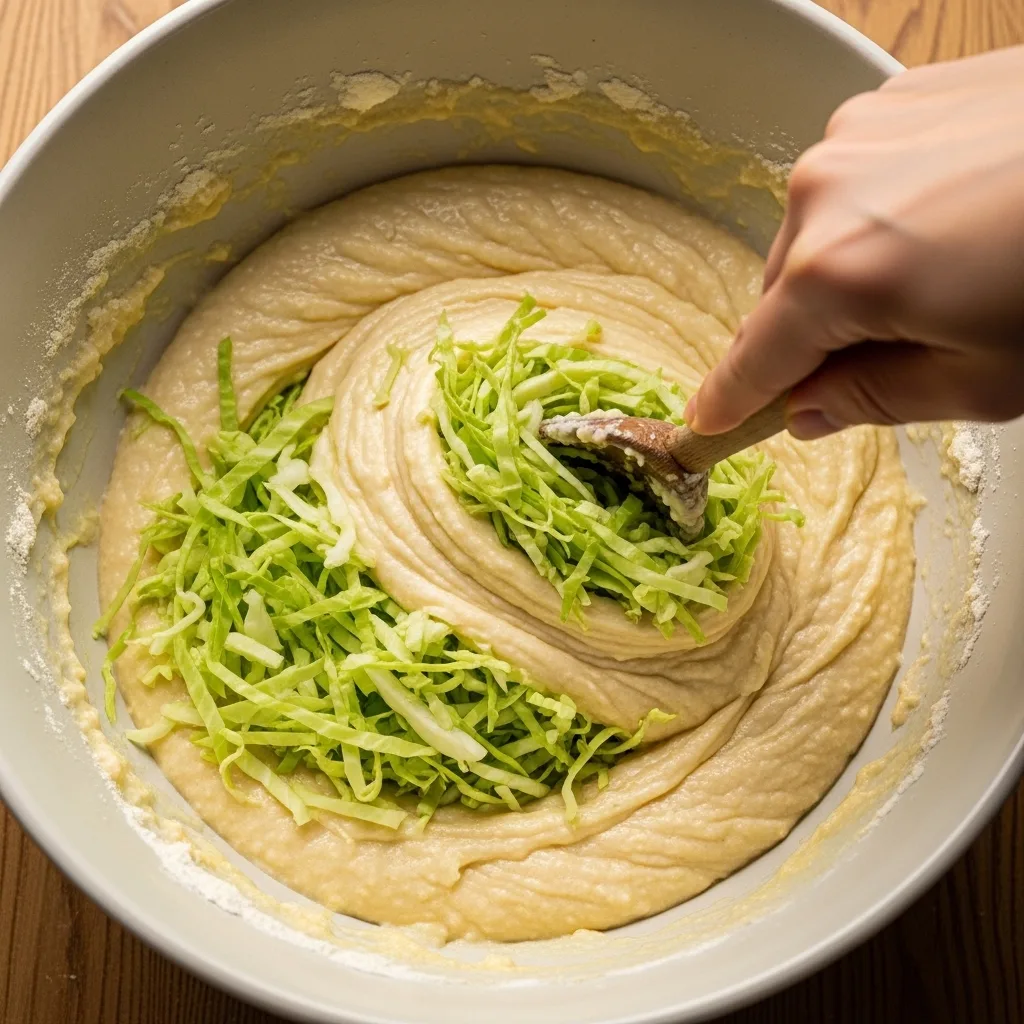
Furthermore, pat your cabbage dry. Excess moisture from the cabbage can thin out the batter and lead to soggy pajeon. A quick pat with a paper towel makes a big difference in the final texture of your Korean cabbage pancakes pajeon.
Also, do not overcrowd the pan. Give each pancake enough space to cook evenly and get crispy. If you try to fit too many, the pan temperature will drop, and the pancakes will steam instead of fry.
Finally, cook on medium-high heat. This allows the Korean cabbage pancakes pajeon to cook through and become golden brown without burning the exterior. Adjust the heat as needed throughout the cooking process. For an extra boost of flavor, you can brush a little extra sesame oil on the cooked pancakes just before serving.
Mastering the small details, like batter consistency and oil temperature, ensures your pajeon achieve that coveted crispy perfection. These techniques for preparing delicious cabbage can also be applied to lighter dishes, such as a vibrant sesame ginger cabbage slaw that offers a refreshing contrast.
Storage & Reheating Tips
If you happen to have any leftover Korean cabbage pancakes pajeon (a rare occurrence in our house!), you can easily store and reheat them. To store, let the pancakes cool completely to room temperature. Then, stack them with parchment paper in between each pancake to prevent sticking. Place them in an airtight container and refrigerate for up to 3 days.
For reheating, the best method to bring back that delicious crispiness is to use a dry non-stick skillet over medium heat. Place the pancakes directly in the pan and heat for 2-3 minutes per side, until warmed through and crispy again. You can also use a toaster oven or air fryer at 350°F (175°C) for about 5-7 minutes.
Avoid reheating Korean cabbage pancakes pajeon in the microwave if possible, as it tends to make them soft and a bit rubbery, losing that wonderful texture we love. However, if convenience is paramount, a quick zap in the microwave will warm them, though they won’t be as crispy.
What to Serve With This Recipe
These Korean cabbage pancakes pajeon are wonderfully versatile and pair well with a variety of dishes. Of course, the simple soy-vinegar dipping sauce is absolutely essential; it provides the perfect tangy, savory complement to the rich pancakes. For a light meal, the pajeon and sauce might be all you need. However, if you are looking to make a more substantial spread, consider serving these savory Korean pancakes alongside some steamed rice.
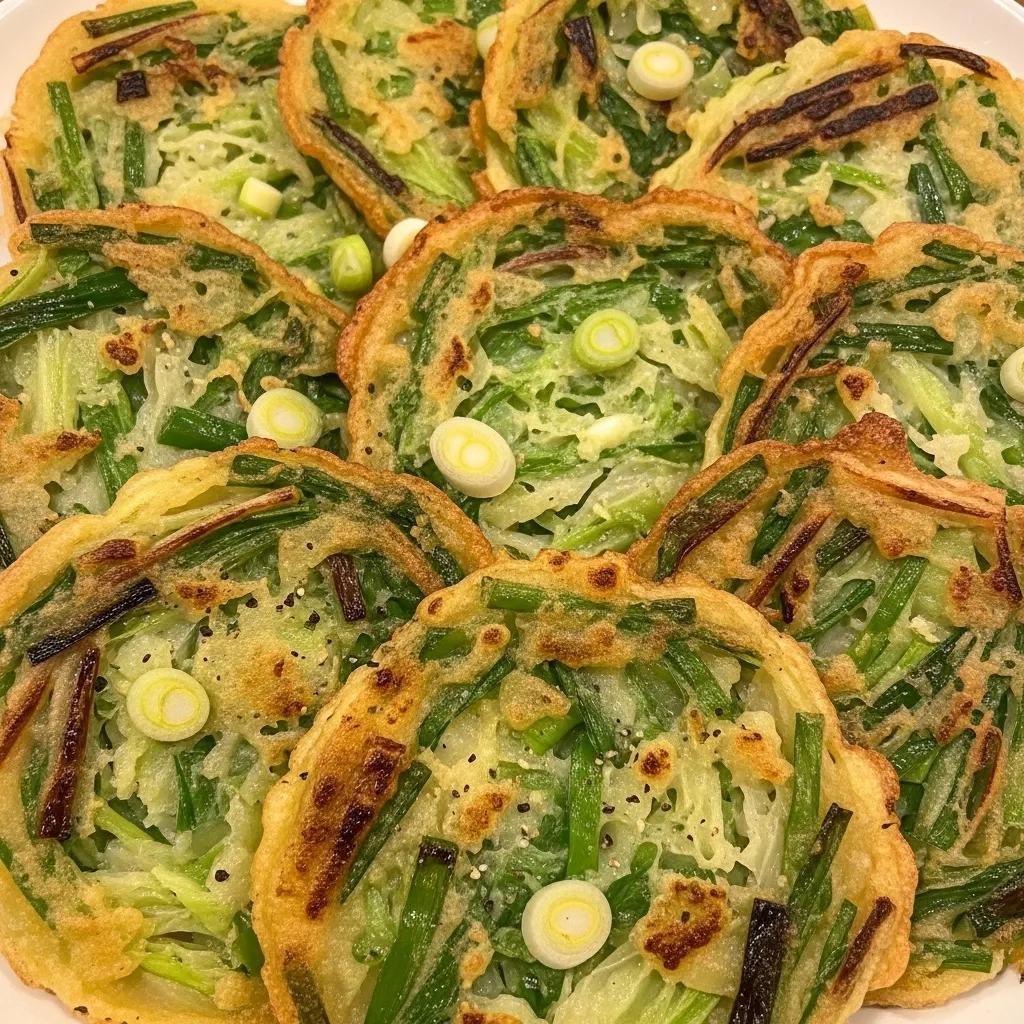
They also complement other Korean dishes beautifully. Think of a simple bowl of japchae (glass noodle stir-fry), a side of spicy kimchi jjigae (kimchi stew), or even some marinated bulgogi. For a non-Korean pairing, a fresh, crisp green salad with a light vinaigrette would offer a nice contrast to the richness of the Korean cabbage pancakes pajeon.
Sometimes, I serve them with a fried egg on top for a truly satisfying breakfast or brunch. The key is to keep it simple and let the delicious flavor of the Korean cabbage pancakes pajeon shine through.
While the savory dipping sauce is a must, these versatile pancakes also shine when served with an array of complementary dishes to round out your meal. To add another layer of fresh, crisp texture and vibrant flavor to your spread, consider preparing a delightful Asian cabbage slaw alongside your pajeon.
FAQs
Can I make Korean cabbage pancakes pajeon ahead of time?
While these Korean cabbage pancakes pajeon are best enjoyed fresh and hot for maximum crispiness, you can prepare the batter a few hours in advance. Keep it covered in the refrigerator. When you are ready to cook, give it a good stir, adding a tiny splash more water if it seems too thick. Cooked pajeon can be stored and reheated as described above.
What kind of cabbage is best for these pancakes?
Green cabbage works wonderfully for these Korean cabbage pancakes pajeon. It holds its shape well and offers a slight sweetness when cooked. Napa cabbage can also be used, but it’s softer and might yield a slightly less crispy pancake. Avoid red cabbage, as its color will bleed into the batter.
Are Korean cabbage pancakes pajeon healthy?
These Korean cabbage pancakes pajeon offer a good source of vegetables and can be a part of a balanced diet. Cabbage is rich in vitamins K and C, and fiber. You can control the amount of oil used for frying.
For a healthier version, use less oil or even try baking them (though the texture will differ significantly). They are a nourishing, comforting meal option.
Can I freeze Korean cabbage pancakes pajeon?
Yes, you can freeze cooked Korean cabbage pancakes pajeon. Let them cool completely, then place parchment paper between each pancake and freeze them in a single layer on a baking sheet. Once solid, transfer them to a freezer-safe bag or container.
They will keep for up to 1-2 months. Reheat from frozen in a toaster oven or a dry skillet until warm and crispy.
What if my pajeon isn’t crispy?
Several factors affect crispiness. Ensure your pan and oil are hot enough before adding the batter. Use enough oil to lightly fry the edges.
Do not overcrowd the pan, as this lowers the temperature. Finally, make sure to cook the Korean cabbage pancakes pajeon long enough on each side until golden brown and firm. Adding cornstarch to the batter helps a lot!
Pajeon are a popular type of savory Korean pancake, often made with green onions, seafood, or kimchi, but can also feature a primary vegetable like cabbage. They are characterized by their crispy exterior and tender interior, typically served as an appetizer or a light meal with a soy-based dipping sauce. Explore more about this beloved Korean pancake and its many variations.
Nutrition Information (per serving)
Here’s an approximate nutritional breakdown for one serving of these delicious Korean cabbage pancakes pajeon, based on 8 servings per recipe (excluding dipping sauce, which adds minimal calories but some sodium). Please note that exact values can vary based on specific ingredient brands and cooking methods, especially the amount of oil absorbed during frying.
| Nutrient | Amount (approx.) |
|---|---|
| Calories | 200 kcal |
| Total Fat | 10g |
| Saturated Fat | 1.5g |
| Cholesterol | 25mg |
| Sodium | 250mg |
| Total Carbohydrates | 22g |
| Dietary Fiber | 2g |
| Total Sugars | 2g |
| Protein | 5g |
| Vitamin C | 30% DV |
| Iron | 8% DV |
korean cabbage pancakes pajeon
My kitchen often feels like the heart of our home, bustling with the happy chaos of three active kids and the comforting aroma of something delicious simmering on the stove. For me, Emilia, food is truly love, and there’s nothing quite like gathering my family around a table filled with simple, nourishing dishes. Recently, one recipe has captured all our hearts: these incredible Korean cabbage pancakes pajeon. The crispy edges, the tender interior, and that savory, umami flavor make these Korean cabbage pancakes pajeon absolutely irresistible. They are quick enough for a weeknight dinner, yet special enough for a weekend brunch. You are going to adore these Korean cabbage pancakes pajeon for so many wonderful reasons. First, they are incredibly easy to make. The ingredients are simple, often things you already have in your pantry. Second, these savory Korean cabbage pancakes are wonderfully versatile. You can enjoy them as a light meal, a hearty snack, or a delightful side dish. Furthermore, they are a fantastic way to sneak in extra vegetables, especially for little ones who might be hesitant about plain cabbage. The texture is just perfect—crispy on the outside, soft and flavorful on the inside. You get that satisfying crunch with every bite!
- Prep Time: 20 mins
- Cook Time: 28 mins
- Total Time: 48 mins
- Yield: 8 servings 1x
- Category: Dinner
- Method: Pan-frying
- Cuisine: Korean
- Diet: None
Ingredients
4 cups Green Cabbage, finely shredded
1 cup All-Purpose Flour
2 tablespoons Cornstarch
1 teaspoon Baking Powder
1/2 teaspoon Salt
1/4 teaspoon Black Pepper
1 Large Egg
1 cup Cold Water (approx.)
3–4 chopped Green Onions
2 cloves Garlic, minced
1 tablespoon Sesame Oil
Vegetable Oil, for pan-frying
2 tablespoons Soy Sauce
1 tablespoon Rice Vinegar
1 teaspoon Sesame Oil
1/2 teaspoon Sesame Seeds
Pinch Red Pepper Flakes
Instructions
- Prepare the Cabbage: Finely shred the green cabbage. Pat the shredded cabbage dry with a clean kitchen towel to remove excess moisture
- Combine Dry Ingredients: In a large bowl, whisk together the all-purpose flour, cornstarch, baking powder, salt, and black pepper
- Mix Wet Ingredients: In a separate medium bowl, lightly beat the egg. Then, add the minced garlic, chopped green onions, and sesame oil to the egg. Stir well to combine
- Form the Batter: Pour the wet ingredient mixture into the dry ingredients. Gradually add the cold water, stirring constantly with a whisk or spoon, until you have a thick, pourable batter. Avoid overmixing
- Add Cabbage: Fold the shredded cabbage into the batter. Gently mix until the cabbage is thoroughly coated
- Make the Dipping Sauce: In a small bowl, whisk together the soy sauce, rice vinegar, sesame oil, sesame seeds, and red pepper flakes (if using). Set aside
- Heat the Pan: Heat a large non-stick skillet or cast-iron pan over medium-high heat. Add enough vegetable oil to generously coat the bottom of the pan, about 2-3 tablespoons
- Cook the Pancakes: Once the oil shimmers, scoop about 1/2 cup of the batter into the hot pan. Gently spread it out with the back of a spoon to form a round pancake about 4-5 inches in diameter. Do not overcrowd the pan; cook 1-2 pancakes at a time
- Fry to Golden: Cook for 3-4 minutes per side, or until the pancakes are golden brown and crispy on both sides, and the cabbage is tender
- Serve Hot: Transfer the cooked pancakes to a wire rack set over a baking sheet to keep them crispy while you cook the remaining batter. Serve immediately with the prepared dipping sauce
Notes
To achieve perfect crispiness, do not overmix the batter and ensure your oil is hot enough before adding it. Patting the shredded cabbage dry also helps prevent soggy pancakes.
Avoid overcrowding the pan during cooking to ensure even cooking and crisping.
Store leftover, completely cooled pancakes stacked with parchment paper in an airtight container in the refrigerator for up to 3 days.
For reheating, use a dry non-stick skillet over medium heat (2-3 minutes per side), a toaster oven, or an air fryer (350°F/175°C for 5-7 minutes) to restore crispiness. Avoid microwaving if possible.
These pancakes pair wonderfully with the provided soy-vinegar dipping sauce. They can be served as a light meal, or alongside steamed rice, japchae, kimchi jjigae, bulgogi, or a fresh green salad. A fried egg on top also makes a satisfying meal.
You can prepare the batter a few hours in advance; store it covered in the refrigerator and stir well before cooking. Cooked pancakes can be frozen for 1-2 months and reheated from frozen.
Nutrition
- Serving Size: 1 serving
- Calories: 200 kcal
- Sugar: 2g
- Sodium: 250mg
- Fat: 10g
- Saturated Fat: 1.5g
- Unsaturated Fat: 8.5g
- Trans Fat: 0g
- Carbohydrates: 22g
- Fiber: 2g
- Protein: 5g
- Cholesterol: 25mg