Ingredients
3 cups All-purpose flour
2 cups Granulated sugar
1 tbsp Baking powder
½ tsp Salt
1 cup Unsalted butter (room temperature)
4 Large eggs (room temperature)
1 cup Whole milk
2 tsp Vanilla extract
2 cups Unsalted butter (room temperature)
6 cups Powdered sugar
¼ cup Heavy cream or milk
1 tsp Vanilla extract
Instructions
- Prepare Your Pans: Preheat your oven to 350°F (175°C). Grease and flour two 9-inch round cake pans or line them with parchment paper circles. This ensures your cakes release easily
- Combine Dry Ingredients: In a large bowl, whisk together the all-purpose flour, granulated sugar, baking powder, and salt. Make sure these ingredients are well combined for even distribution in your cake
- Cream Butter and Eggs: In a separate large bowl, using an electric mixer, cream the room temperature unsalted butter until light and fluffy, about 2-3 minutes. Next, add the large eggs one at a time, beating well after each addition. Scrape down the sides of the bowl as needed to ensure everything incorporates evenly
- Alternate Wet and Dry: Gradually add the dry ingredient mixture to the wet mixture, alternating with the whole milk. Begin and end with the dry ingredients. For example, add about a third of the flour mixture, mix until just combined, then add half the milk, mix, then another third of the flour, the remaining milk, and finally the last third of the flour. Do not overmix; mix just until no streaks of flour remai
- Add Vanilla: Stir in the vanilla extract. Its aroma fills your kitchen!
- Divide and Bake: Divide the batter evenly between your two prepared cake pans. Smooth the tops with a spatula. Bake for 30-35 minutes, or until a wooden skewer inserted into the center of the cakes comes out clea
- Cool the Cakes: Once baked, remove the cakes from the oven and let them cool in their pans on a wire rack for about 10-15 minutes. This prevents breakage. Then, carefully invert the cakes onto the wire rack to cool completely. They must be entirely cool before frosting to avoid a melted mess
- Make the Buttercream Frosting: While the cakes cool, prepare your frosting. In a large bowl, beat the room temperature unsalted butter with an electric mixer until very light and fluffy, about 5 minutes. This aeration is key to a smooth frosting
- Add Powdered Sugar: Gradually add the powdered sugar, one cup at a time, beating well after each addition. The mixture will become thick
- Finish the Frosting: Beat in the heavy cream (or milk) and vanilla extract. Continue beating for another 2-3 minutes until the frosting becomes light, fluffy, and spreadable. If it seems too thick, add more cream a teaspoon at a time. If too thin, add a tablespoon more powdered sugar
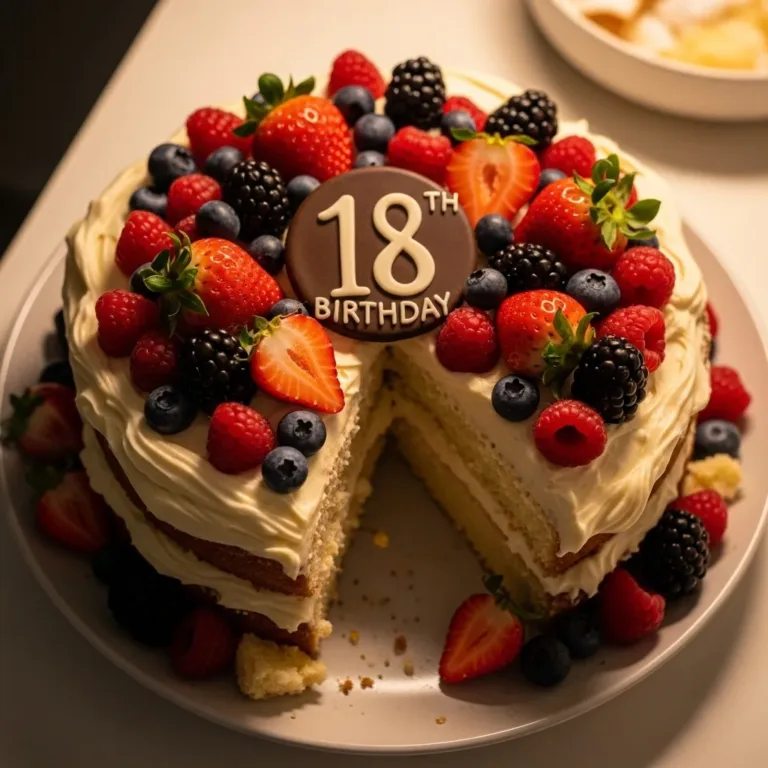
- Assemble Your Cake: Once your cake layers are completely cool, place one layer on your serving platter. Spread about a third of the frosting evenly over the top. Carefully place the second cake layer on top. Apply the remaining frosting to the top and sides of the entire cake, smoothing it with an offset spatula. Decorate as desired!
Notes
Room Temperature Ingredients are Key: Ensure your butter, eggs, and milk are at room temperature. This creates a smoother batter and a lighter, fluffier cake texture.
Do Not Overmix: When combining wet and dry ingredients, mix just until the flour streaks disappear. Overmixing develops gluten, which can result in a tough, dense cake.
Measure Flour Correctly: Always spoon and level your flour, rather than scooping directly from the bag. Scooping packs the flour, leading to too much flour and a dry cake. Use a kitchen scale for the most accurate measurement.
Don't Rush Cooling: Let your cake layers cool completely on a wire rack for a couple of hours before frosting to avoid a melted, sliding mess.
Level Your Cake Layers: For a professional-looking cake, once cool, use a serrated knife or a cake leveler to gently trim the domed tops off your cake layers to ensure a stable, even cake.
Crumb Coat: Apply a thin layer of frosting all over the cake first to trap loose crumbs. Chill for 15-20 minutes, then apply your final, thicker layer of frosting for a cleaner finish.
Use Good Quality Vanilla: Since vanilla is a prominent flavor, use a pure vanilla extract, not imitation; the flavor difference is noticeable.
Practice Makes Perfect: If this is your first time attempting a multi-layered cake, don't stress about perfection. The effort and love you put into it are what truly count.
Clean as You Go: Keep your workspace tidy to make the baking process more enjoyable and less overwhelming.
At Room Temperature Storage: If your cake has buttercream frosting and no fresh perishable fillings, store it covered at cool room temperature for up to 2-3 days using a cake dome or airtight container.
Refrigerated Storage: For longer storage or with fresh fruit/cream cheese frosting, refrigerate covered for up to 5-7 days. Allow to sit at room temperature for 30 minutes to an hour before serving.
Freezing Unfrosted Layers: Wrap each completely cooled layer tightly in plastic wrap, then aluminum foil. Freeze for up to 2-3 months. Thaw wrapped layers overnight in the refrigerator before frosting.
Freezing Frosted Cake or Slices: Flash freeze uncovered for an hour until frosting is firm. Then wrap tightly in plastic wrap and aluminum foil, and store in an an airtight container for up to 1 month. Thaw unwrapped in the refrigerator overnight or at room temperature for a few hours.
What to Serve With: Enhance the party atmosphere with a fresh fruit platter, coffee and tea bar, sparkling cider or punch, cold milk, a scoop of vanilla bean ice cream or sorbet, savory finger foods, or chocolate-dipped strawberries.
Make Ahead: Cake layers can be baked up to two days in advance (wrapped at room temperature) or frozen (up to a month). Buttercream frosting can be made one day ahead (refrigerated, then re-whipped).
Buttermilk Substitute (if needed): Add 1 tablespoon of white vinegar or lemon juice to a liquid measuring cup, then fill with whole milk to the 1-cup mark. Stir and let sit for 5-10 minutes until it slightly curdles.
Reduce Frosting Sweetness: Incorporate a pinch of salt to balance sweetness. You can also reduce powdered sugar slightly or add a tablespoon or two more heavy cream. Less sweet fillings like fresh fruit or tart lemon curd can also help.
Prevent Sticking: Thoroughly grease and flour your cake pans, or use parchment paper circles on the bottom for extra security.
Different Pan Sizes: You can adjust pan size, but it will affect baking time and the number of layers (e.g., three 8-inch pans: 25-30 minutes; a single 9×13-inch rectangular cake: 40-50 minutes). Always use the skewer test to check for doneness.
- Prep Time: 40 mins
- Cook Time: 35 mins
- Category: Dessert
- Method: Baking
- Cuisine: American
Nutrition
- Serving Size: 1 slice
- Calories: 580 kcal
- Sugar: 50g
- Sodium: 180mg
- Fat: 32g
- Saturated Fat: 20g
- Unsaturated Fat: 12g
- Trans Fat: 0g
- Carbohydrates: 68g
- Fiber: 1g
- Protein: 6g
- Cholesterol: 120mg